
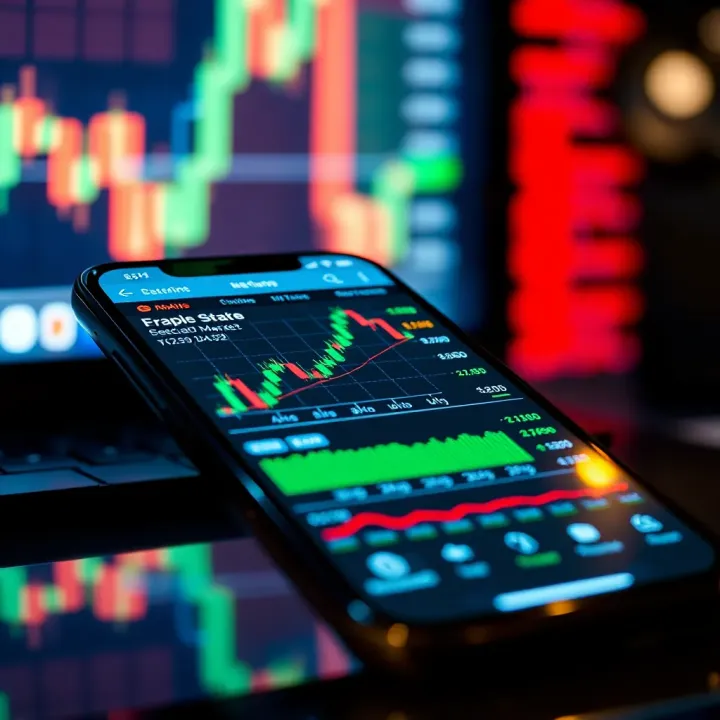
Best Trading Phone: Top Mobiles for Stock Market Deals
📱 Looking for the best trading phone? Discover models with fast processors, sharp displays, strong battery life and secure features to trade stocks smoothly in India.
Edited By
Charlotte Hughes
Trading on the go means your phone isn't just a device; it becomes your office, news source, and transaction tool all at once. Selecting a mobile that fits this role well can directly impact how efficiently you manage your investments.
A good trading phone must combine speed, reliability, and security. For Indian traders, affordability and ease of use also weigh heavily, given the large number of active retail investors who balance trading with daily life. The goal is a phone that can handle live market updates, execute orders swiftly, and safeguard sensitive data.
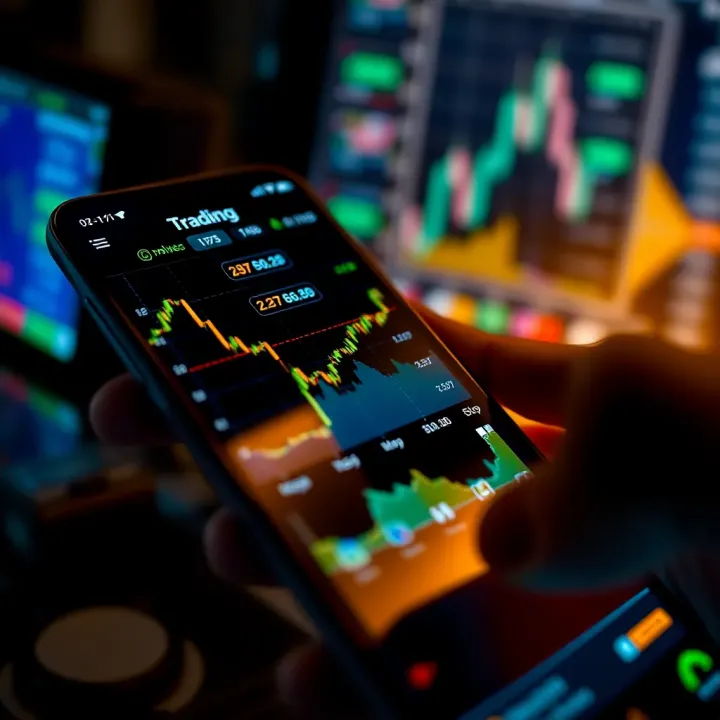
Not all mobiles are built for this kind of intensive use. Some may lag during heavy app use, while others might miss out on security updates. Indian traders should prioritise phones with strong processors and at least 6GB of RAM to keep market apps like Zerodha Kite, Upstox Pro, or Groww running without hiccups.
Beyond speed, look for phones with solid biometric options—fingerprint scanners or facial recognition—to protect your trading accounts from unauthorised access. Features like a high-resolution screen with good sunlight visibility matter too since many investors check screens outdoors or during the day.
Also, battery life is crucial. Imagine missing a critical trade because your phone died at a key moment. Models with 4,000mAh battery capacity or more provide comfort for long market hours, especially when paired with fast charging.
Storage space should not be overlooked either. Trading apps generate cache and store trading data; a minimum of 128GB internal memory helps avoid performance bottlenecks.
Choosing the right phone for trading means balancing raw power with secure design and practical features. This combination empowers you to track markets, act quickly, and stay safe.
In the following sections, we will explore top phone models that fit these needs and share tips to make your mobile trading experience smoother and smarter.
Choosing the right phone for trading means focusing on features that directly impact your ability to view, analyse, and act on market data quickly and securely. Traders rely on precise charts, real-time updates, and seamless connectivity, so a phone with the right hardware and software capabilities can make all the difference.
A sharp, high-resolution display is essential for traders since they often work with detailed charts and data tables. Phones with Full HD (1080p) or higher resolution displays provide crisp visuals where candlestick patterns and indicators stand out clearly, reducing eye strain during long sessions. For example, a phone with a 1080p AMOLED screen ensures colours are vivid and lines are crisp, which helps in quick decision-making.
Screen size needs a balance. Too small, and reading graphs or typing orders becomes cumbersome; too large, and the phone becomes less portable. For most Indian traders, a screen size between 6.3 and 6.7 inches hits the sweet spot. This size allows comfortable viewing without making the device bulky, so you can trade comfortably through a packed day inside urban settings or while commuting.
When trading on volatile markets, milliseconds count. A phone with a strong processor, like the Snapdragon 7 series or equivalent, ensures lightning-fast response times. It prevents lag when placing buy or sell orders, which can be the difference between profit and loss. For instance, a Snapdragon 778G-powered phone can handle trading apps smoothly without delays.
Trading often requires using multiple apps simultaneously – charting tools, news feeds, and brokerage platforms. Phones equipped with at least 6GB RAM perform well for multitasking, ensuring you don’t face freezing or crashes. This allows switching between apps on apps like Zerodha Kite and Groww without interruption or slowdowns.
A 4,000mAh battery or above helps support extended trading hours, especially during busy market times. Unplanned power drains can cost you valuable opportunities. Phones like the Xiaomi Redmi Note 12 come with large batteries that can last a full day of heavy trading without the need to recharge constantly.
Quick charging is handy if you must top up the battery between meetings or while travelling. A phone that supports 33W or higher fast charging can regain 50–60% charge in under 30 minutes, keeping you active without long waits. Intelligent power management features also help optimise battery use during intense trading hours.
Trading requires a rock-solid internet connection. Phones with 5G support offer faster data speeds and lower latency, especially useful in metro cities like Bengaluru or Mumbai. Also, compatibility with Wi-Fi 6 ensures a reliable connection when trading from home or office.

Dual SIM allows traders to switch between networks for better coverage, especially in tier-2 or tier-3 cities. VoLTE (Voice over LTE) enhances call clarity when confirming trades or discussing with advisors, ensuring crisp communication even over mobile networks.
Using biometric locks adds a strong layer of security, making it difficult for unauthorised access to your trading apps. Fast fingerprint sensors under the display or quick face unlock help you access the phone without delay, especially when every second counts.
Encryption protects sensitive financial data stored on your phone and during app usage. Phones that support hardware-backed encryption and regular software patches provide safer environments to prevent hacking or data leaks.
6GB or more RAM is advisable for running trading apps alongside news and analytics tools without lag. Higher RAM supports smooth background updates, ensuring your portfolio and market info are current at all times.
A minimum of 128GB internal storage allows traders to store downloaded reports, PDFs, and cached app data without worrying about space. This is useful in places with unreliable internet, as you can access critical information offline.
Picking a phone with these features optimises your trading experience, making it fast, secure, and reliable even in fast-moving markets.
Choosing the right smartphone for trading is more than picking the latest gadget; it’s about matching performance, reliability, and cost effectively. This section highlights popular models in India that meet diverse trading needs. Whether you’re just starting or already managing a sizable portfolio, knowing your options helps you make an informed choice without blowing your budget.
Affordable smartphones with decent performance serve well for beginners who want to explore trading without heavy investment. These devices typically offer sufficient display clarity and smooth app operation for basic trading platforms like Zerodha Kite or Upstox Pro. For instance, models like Xiaomi Redmi Note 12 or Realme Narzo 60 provide good responsiveness and decent battery life at around ₹12,000 to ₹15,000, which fits many newcomers’ wallets.
Brands offering good value in India focus on balancing cost and usability, ideal for fresh traders. Companies such as Xiaomi, Realme, and Samsung’s M-series pack features like HD+ screens, 4GB-6GB RAM, and reliable processors, ensuring you can watch market charts and place orders with minimal lag. These brands also have widespread service centres, adding peace of mind in case of technical issues.
Models combining speed and display quality are pivotal for traders moving beyond basics. Mid-range phones generally run on powerful processors like Snapdragon 695 or MediaTek Dimensity 920 and offer Full HD+ AMOLED displays. For example, the Samsung Galaxy M14 or Xiaomi Redmi Note 12 Pro give sharp visuals and fast response times essential when tracking intraday movements or using multiple trading apps simultaneously.
Features that appeal to active traders include better battery endurance and enhanced security options. These phones often support fast charging, helping traders stay connected through the day without frequent interruptions. Added benefits include biometric locks and encryption software that safeguard sensitive trading data, a must for anyone managing sizeable investments.
Flagship models with advanced specs target professional traders who need top performance and reliability. Phones like the Samsung Galaxy S23 Ultra or iPhone 15 Pro Max come equipped with cutting-edge processors, large, high-resolution displays, and RAM upwards of 12GB. This hardware combination supports lightning-fast order execution and smooth multitasking across complex trading platforms.
Premium features for security and performance go beyond hardware. These phones include secure enclaves for storing credentials, enhanced face recognition or ultrasonic fingerprint sensors, and regular software updates to patch vulnerabilities. For traders handling large portfolios or confidential data, such features minimize risks of breaches or downtime, offering uninterrupted access to markets.
Picking the right trading phone means evaluating your current needs against device capabilities. Starting with budget smartphones can make sense, but upgrading to mid-range or high-end models enhances efficiency, security, and peace of mind as trading demands grow.
In sum, Indian traders have plenty of options—from value-focused brands to premium flagships—that cater to varying trading requirements and budgets. Choose a phone that keeps you connected, loads apps smoothly, and safeguards your financial data for a confident trading experience.
Choosing the right trading app is just as important as picking a good phone for trading. The app acts as your primary interface to the markets, letting you track real-time data, execute trades, and monitor your portfolio on the go. For Indian traders, mobile trading apps must combine ease of use, reliability, and compatibility with the phone’s features to make trading smooth and efficient.
Several Indian trading apps have carved a niche for themselves due to their well-optimised mobile versions. Zerodha Kite, for instance, is a widely preferred app known for its clean interface and real-time data streaming. Upstox Pro offers quick order execution and robust charting tools good for those who actively follow technicals. Groww merges simplicity with functionality, making it ideal for beginners and investors mainly into mutual funds and stocks. ICICI Direct Mobile caters well to those who want a full-service brokerage app integrated with banking features for quick fund transfers.
These apps perform well on a range of mid-range to high-end phones with decent processors and screen quality. They support trading on NSE and BSE, letting users check Sensex, Nifty, and individual stock performances without delays. Plus, their regular updates ensure compatibility with new phone models and Android/iOS versions.
A trading app’s user interface (UI) should be clutter-free yet informative. For traders, quick navigation to check charts, place orders, or view watchlists can make a difference between profit and loss. Apps like Zerodha Kite and Upstox Pro have worked hard to streamline this experience, ensuring buttons and menus are easy to tap, especially on smaller screens.
Mobile performance matters since multiple apps—news, browser, messenger—may run simultaneously during trading. A phone with enough RAM and a good processor ensures the trading app doesn’t freeze or lag during crucial moments. Smooth scrolling through charts and fast update of prices contribute to a reliable trading environment.
Real-time data updates and alerts are the backbone of effective mobile trading. A delay of even a few seconds can lead to missed opportunities or losses. Trading apps designed for India usually connect to data feeds that update market prices incessantly. Alerts for price movements, margin calls, or news flashes help traders stay ahead without staring at the screen all day.
Ease of order placement and portfolio tracking determines how efficiently you can act on your decisions. Features such as one-tap buy or sell, pre-filled order forms, and an intuitive portfolio dashboard simplify these tasks. For example, Groww’s portfolio section neatly shows gains, losses, and breakup by asset type, saving traders from toggling multiple screens.
Efficient trading hinges on a phone that not only supports powerful apps but also runs them flawlessly — ensuring you never miss a beat in Indian markets.
By paying attention to these app-related factors and matching them with a suitable phone, Indian traders can enjoy a seamless trading experience on mobile.
Trading on a mobile requires more than just a good phone. Ensuring smooth connectivity, robust security, and efficient alert management can make all the difference to your trading success. These tips help you avoid technical glitches and distractions, so you can focus on the markets effectively.
Using data plans with good coverage: For trading, a reliable internet connection is non-negotiable. Choosing a mobile data plan with strong coverage in your area ensures continuous market access without sudden disconnections — which might cause missed trade opportunities. For example, Jio and Airtel offer extensive 4G and expanding 5G coverage across many Indian cities and towns, making them preferred choices for traders.
It's smart to pick a plan with enough high-speed data to handle streaming charts and real-time updates. Otherwise, slow speeds during peak trading hours could delay order execution, affecting your profits or losses.
Utilising Wi-Fi in trusted locations: When at home or office, connecting to a trusted Wi-Fi network can help maintain stable and faster internet access. This reduces heavy data consumption on your mobile plan and can improve the app response time during intensive trading sessions.
However, only use Wi-Fi networks you trust — public or unsecured Wi-Fi can expose your trading account to security risks. For instance, avoid trading over open Wi-Fi in cafés or railway stations without protective measures like VPNs.
Regular app and system updates: Updating your trading apps and phone software promptly keeps you shielded against bugs and security vulnerabilities. Developers release updates to fix known issues and to keep apps compatible with new operating system versions.
For example, a lag in updating your Zerodha Kite app may cause delays in real-time data or errors when placing orders. Similarly, skipping phone OS updates might leave your device exposed to cyber threats.
Using VPN and strong passwords: Employing a Virtual Private Network (VPN) while trading encrypts your internet connection, guarding your sensitive data from hackers, especially over public networks. Alongside, setting strong, unique passwords for your trading accounts minimizes the risk of unauthorised access.
Use password managers or biometric locks like fingerprint or face recognition to manage credentials securely. This is particularly relevant given the rise of cyber frauds targeting financial apps in India.
Setting customised alerts for market changes: Tailoring alerts to your preferred stocks or indices helps you track critical price movements without constantly checking apps. For instance, you can set an alert for when Nifty crosses a particular level or a stock hits your target price.
Such alerts let you act swiftly on opportunities or risks, avoiding missed trades. Most Indian trading platforms like Upstox and Groww support these personalised notifications.
Reducing distractions during trading hours: While staying informed is key, constant notifications from social media or messaging apps can disrupt your focus during volatile markets. Using the phone’s "Do Not Disturb" mode or selective notification settings during trading hours can help maintain concentration.
You can whitelist trading apps and important contacts, ensuring trade alerts come through while silencing other non-essential interruptions. This simple step often improves decision-making under pressure.
Prioritising stable connectivity, phone security, and smart alert management transforms your phone from a simple tool into a reliable trading companion, well suited to fast-paced Indian markets.
📱 Looking for the best trading phone? Discover models with fast processors, sharp displays, strong battery life and secure features to trade stocks smoothly in India.
Discover Quotex's features, trading options, fees, and security in our detailed review. See if it fits your trading style with insights tailored for Indian traders 📊🔒
Explore Quotex.com with our detailed guide 📊 including features, trading tips, setup, risk management & why it's popular among Indian traders 🇮🇳.
Explore Quotex’s features, security, account types, and trading tools. Learn how Indian traders can use its easy interface and handy guides 📊💡
Based on 7 reviews