

Cardano (ADA) Price Prediction and Market Trends
Explore Cardano (ADA) price prediction 📈, market trends 🔍, key factors influencing value, recent performance, and expert views to guide Indian investors effectively.
Edited By
Emma Caldwell
Binance Coin (BNB) recently emerged as one of the leading cryptocurrencies, backed by Binance, the world’s largest crypto exchange by volume. Understanding BNB’s price trajectory requires a mix of analysing past performance, current market dynamics, and external factors influencing investor sentiment.
BNB’s value is closely linked to Binance’s ecosystem, from trading fees to the Binance Smart Chain projects. This direct association often means regulatory news affecting Binance or developments in DeFi (Decentralised Finance) and NFTs on Binance Smart Chain influence BNB prices.
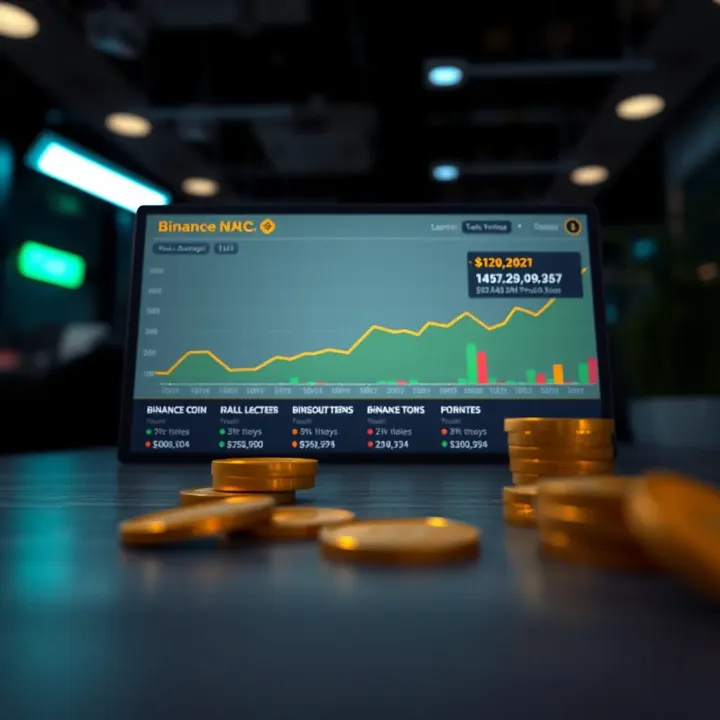
Historically, BNB has shown strong bullish trends during overall crypto upswings but also faced sharp corrections amid market-wide sell-offs or regulatory clampdowns. For example, in early 2024, BNB saw a rally after Binance introduced new staking features and partnerships, lifting investor confidence.
Investors should keep an eye on several key factors:
Market liquidity and trading volumes on Binance
Updates on Binance Smart Chain scalability and adoption
Regulatory actions from Indian authorities and global regulators
Technological upgrades announced by Binance, such as Layer-2 solutions
Macro factors like global fiat inflation impacting digital asset demand
Technical indicators like the Relative Strength Index (RSI), moving averages (MA), and volume profiles provide actionable insights for traders. For instance, BNB hovering near its 50-day MA with rising volumes may signal a short-term buying opportunity.
Investors should combine technical analysis with fundamental news to gauge BNB’s price direction effectively.
By tracking these elements closely, investors can better position themselves ahead of potential price movements rather than react late. Given the volatile nature of crypto markets, strong research and timely decisions remain crucial for protecting capital and maximising returns on BNB investments.
Understanding Binance Coin (BNB) and its standing in the cryptocurrency market is vital for investors who want to make informed decisions. Knowing its origins, use cases, and market role offers clarity on why BNB commands attention among digital assets and how it can fit into a balanced portfolio.
Binance Coin launched in 2017 as the native token of Binance, one of the world’s largest cryptocurrency exchanges. Initially created on Ethereum’s blockchain as an ERC-20 token, BNB later migrated to Binance’s own blockchain called Binance Chain. Its original purpose was to offer discounted trading fees within the Binance platform, which helped attract early adopters and build liquidity.
Over time, BNB evolved beyond trading fee discounts. It now plays a central role in Binance’s ecosystem, reflecting its shift from a simple utility token to a broader digital asset with diverse applications.
Within the Binance ecosystem, BNB serves multiple functions. Traders use it to reduce trading fees on spot and futures markets, which can add up significantly for high-volume participants. In addition, BNB powers transactions and smart contracts on Binance Smart Chain (BSC), a blockchain designed to support Decentralized Applications (DApps) and DeFi projects.
Popular projects like PancakeSwap, Venus, and BakerySwap operate on BSC and require BNB for fees. This extensive use boosts demand and enhances BNB’s utility beyond just exchange fees, establishing it as a crucial asset for users interacting within Binance’s growing network.
BNB consistently ranks among the top cryptocurrencies by market capitalisation, often within the top five. This highlights its acceptance and significant trading volume globally. Market cap indicates the total value of all BNB tokens in circulation, signalling investor confidence and liquidity.
For investors, a strong market cap means easier entry and exit points without drastic price impacts. As of now, BNB’s valuation places it just behind giants like Bitcoin and Ethereum, reflecting its expansion from a niche utility token to a key player in the larger crypto landscape.
While Bitcoin leads as a store of value and Ethereum dominates smart contracts, BNB offers a blend of exchange utility and blockchain functionality. Unlike many altcoins that depend solely on speculative value, BNB anchors its price with actual demand for exchange fee payments, transaction processing, and participation in Binance’s DeFi environment.
For example, unlike Ripple (XRP) or Cardano (ADA), which focus mainly on cross-border payments or smart contracts, BNB benefits directly from the massive user base of the Binance exchange and BSC developers. This dual advantage gives it a distinct market position, balancing use case-driven demand with speculative interest.
Understanding where BNB stands helps investors gauge its potential price movements and assess its suitability for different investment strategies.
By analysing its origins, practical roles, and market dynamics, one can better anticipate how BNB might perform amidst ongoing shifts in crypto regulation, technology, and adoption patterns.
BNB’s price does not move in isolation; it depends on several clear-cut factors that investors must watch closely. Understanding these drivers helps you anticipate potential shifts in value with more confidence.
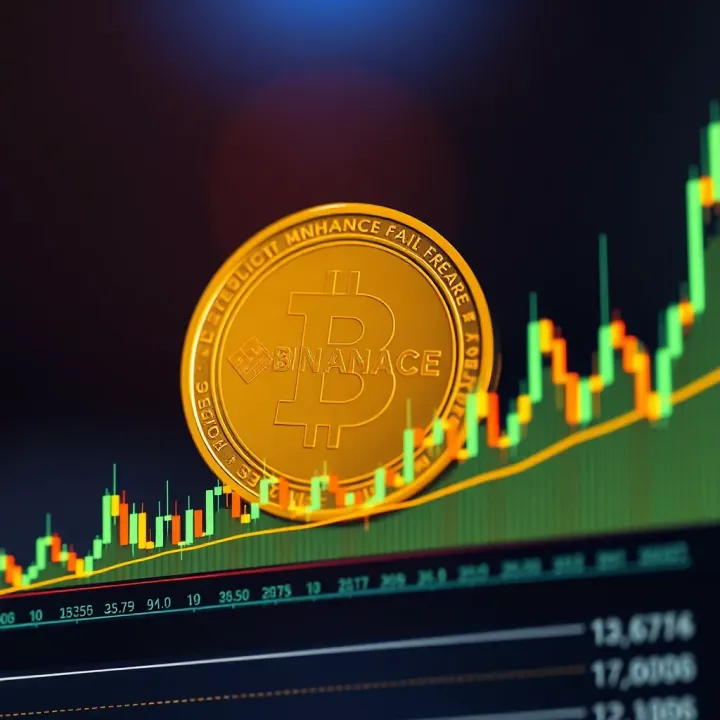
The growth of Binance Smart Chain (BSC) plays a major role in shaping BNB’s use and demand. BSC supports a wide range of decentralised applications (DApps), including decentralized finance (DeFi) platforms, games, and NFT marketplaces. As more developers and users join BSC, BNB’s utility rises, since it is required for transaction fees and staking within the network. For instance, the rapid uptake of projects like PancakeSwap and Venus on BSC has boosted BNB’s day-to-day activity and trading volumes.
Retail and institutional investors further influence BNB’s price dynamics. Smaller investors often respond quickly to market hype and news, while large institutional players bring in substantial capital but expect clearer fundamentals. In India, investor interest in cryptocurrencies has surged, partly due to platforms like WazirX listing BNB. Meanwhile, big funds globally consider BNB as part of their crypto portfolios for diversification. This mix of retail enthusiasm and institutional backing tends to create price swings but also helps establish BNB’s long-term credibility.
India’s approach to cryptocurrency remains cautious but evolving. The government has proposed frameworks requiring licensing for exchanges and tax clarity on digital assets. These regulations create uncertainty, but clearer rules could eventually encourage wider investor participation, including in Binance Coin. Regulatory clarity often reduces sudden sell-offs caused by panic over legal risks.
Globally, regulatory developments in major markets like the US and Europe affect BNB as well. Actions such as tightening Know Your Customer (KYC) norms, anti-money laundering (AML) laws, or outright bans on certain token usage influence investor sentiment worldwide. Binance itself has faced scrutiny in various jurisdictions, which in turn impacts BNB’s market perception. Investors should keep an eye on regulatory updates because they can swiftly alter trading behaviour and liquidity.
Monitoring the interplay between demand growth, investor types, and regulations provides a comprehensive view of what drives BNB’s market value.
In short, BNB’s price trends reflect both ecosystem adoption and the broader legal framework. Staying informed about these key factors helps investors make better decisions, balancing opportunities against risks.
Technical analysis helps traders and investors make sense of Binance Coin's (BNB) past price behaviour to predict future trends. By studying price charts, volumes, and patterns, one can better time entry and exit points, manage risks, and gauge market sentiment. For BNB, a coin tied closely to Binance's ecosystem, technical analysis offers a practical way to filter market noise and identify meaningful shifts driven by investor behaviour rather than just news or hype.
BNB has seen significant milestones since its launch in 2017. For instance, it surged from around $0.10 in early 2017 to over $600 in May 2021, driven by Binance Smart Chain's growth and increased adoption. Such milestones mark investor confidence kicking in, often followed by strong bullish momentum.
However, these milestones have been tempered by notable corrections. After reaching its peak in 2021, BNB experienced a sharp fall along with the broader market downturn, dropping by nearly 60% within months. These corrections are natural in volatile crypto markets and can offer entry points for savvy investors who understand the coin's cyclical patterns.
BNB's price is notably volatile, reflecting the broader cryptocurrency market's swings. High daily percentage changes aren't unusual, especially around major announcements or regulatory developments. This volatility translates to both risk and opportunity.
Trading volumes also play a crucial role. For example, spikes in volume often precede strong price moves, signalling increased participation from retail or institutional investors. Watching volumes alongside price helps traders confirm the strength of a trend or spot potential reversals early.
Moving averages smooth out price data to reveal trends over set periods, such as 50-day or 200-day averages. For BNB, these averages act as dynamic support or resistance. When BNB’s price stays above its 200-day moving average, it generally signals longer-term bullish sentiment.
Support and resistance levels are price points where BNB historically finds buying or selling pressure. For example, ₹18,000 and ₹25,000 have often acted as support and resistance zones respectively in recent months. Identifying these levels helps investors place stop-loss orders or decide when to book profits.
The Relative Strength Index (RSI) measures if BNB is overbought or oversold, typically on a scale of 0 to 100. When RSI crosses above 70, it suggests BNB might be overbought, signalling a possible pullback. Conversely, an RSI below 30 indicates oversold conditions, which could signal a buying opportunity.
The Moving Average Convergence Divergence (MACD) indicator helps spot momentum changes. When the MACD line crosses above the signal line, it often marks bullish momentum; a down-cross suggests weakening buys. Investors tracking BNB closely use MACD crossovers to time trades or confirm other signals.
Understanding these technical patterns and indicators lets traders make more informed decisions with BNB, especially in a market where news can move prices sharply. These tools offer a clearer view of underlying trends beyond temporary market noise.
Understanding expert forecasts and market sentiment is vital for investors seeking to navigate the volatile world of Binance Coin (BNB). Expert opinions, backed by data and experience, offer snapshots of future price trajectories while sentiment analysis reflects the collective mood influencing investor decisions. Together, they provide a more rounded picture that helps assess potential risks and opportunities.
Short-term forecasts usually hinge on recent market developments like price rallies, corrections, or regulatory news. For example, if an analyst spots a bullish crossover in moving averages or rising trading volumes, they might predict a price surge in the next few weeks. These predictions are relevant for traders looking to capitalise on quick gains or hedge risks, as well as advisors guiding clients on timing entry or exit.
Such short-term outlooks can also reflect reaction to global events. In mid-2023, announcements related to upgrades in the Binance Smart Chain led several influencers to expect a positive price momentum for BNB. Investors leveraging these forecasts can align their strategies accordingly but must stay aware of high volatility risks inherent in crypto markets.
Long-term projections often focus on broader adoption trends, technological improvements, and evolving regulations. Experts may consider factors like Binance's expanding ecosystem, increased use of BNB for transaction fees, and integration with decentralized finance (DeFi) applications.
For example, some analysts forecast BNB’s continued growth due to its strong position in the NFT space and cross-chain capabilities. This outlook suits investors aiming to hold through market cycles, banking on BNB’s sustained utility and demand over years. However, these predictions should be weighed against regulatory uncertainties and competition from emerging blockchains.
The mood among BNB's community can signal upcoming price moves. Platforms like Twitter, Telegram, and Reddit often buzz with discussions reflecting investor optimism or fears. High community engagement and positive chatter typically boost confidence, attracting fresh investments.
Take the surge in BNB trading following Binance’s announcement of new partnerships or token burn events—this kind of community excitement can push price spikes temporarily. Monitoring sentiment gives traders a real-time gauge of market psychology, supplementing technical and fundamental analysis.
News, whether about regulatory shifts, technological upgrades, or security incidents, strongly impacts BNB's price sentiment. Good news, like successful network upgrades or listings on major Indian exchanges, often triggers bullish sentiment. Conversely, concerns over restrictions or technical glitches can dampen enthusiasm and prompt sell-offs.
For instance, when India’s regulatory stance towards crypto clarified in early 2024, BNB's price saw swings correlating with investor reactions. The timely interpretation of such developments helps investors prepare for swift market moves and avoid surprises.
Investor decisions on BNB benefit greatly from blending expert forecasts with sentiment insights, as this combination reveals both quantitative data and the emotional climate shaping market behaviour.
Investing in Binance Coin (BNB) demands clear strategies to balance its high potential rewards with the risks involved. Careful planning helps investors adapt to BNB’s volatile nature and changing market conditions. Focusing on practical approaches such as risk assessment, timing market entries, and choosing the right investment platforms can make a significant difference in outcomes.
BNB, like many cryptocurrencies, experiences sharp price swings within short periods. This volatility stems from factors such as sudden changes in market sentiment, news about Binance’s ecosystem, or regulatory updates. For example, in March 2021, BNB’s price jumped over 20% in a day following positive announcements about Binance Smart Chain updates. Investors should be prepared to handle such fluctuations, meaning allocating only a portion of their portfolio to BNB and avoiding panic selling during dips.
High volatility means potential big gains, but losses can be equally fast and deep. Understanding your risk appetite is key before investing.
Timing when to buy BNB matters, especially in a volatile market. Waiting for pullbacks or corrections after a price rally can offer better entry points, reducing the risk of buying at a peak. For instance, during BNB’s rise in early 2023, a cautious investor might have waited for the 10-15% dip in April before buying, rather than jumping in at peak levels in March.
Market indicators such as moving averages or support and resistance levels provide some guidance on timing. Although it’s difficult to predict exact bottoms or tops, combining technical analysis with news on Binance’s developments can improve the chances of buying at favourable prices.
Investors can purchase BNB on popular Indian crypto platforms like WazirX, CoinDCX, and ZebPay. These exchanges allow direct purchase via INR deposits through modes like UPI, net banking, or IMPS, making it convenient for Indian users. For example, WazirX offers a user-friendly interface and reliable liquidity for BNB trading.
When choosing an exchange, factors to check include security features, trading fees, and withdrawal limits. Indian platforms also comply with local regulatory guidelines, offering more confidence to investors about safety and legal compliance.
Systematic Investment Plans (SIP) have gained traction in India for steady investment in stocks and mutual funds. Although crypto SIPs are less common, some platforms now offer periodic buying options for BNB, helping investors spread the purchase cost over time and reduce the impact of volatility.
Besides SIP, diversifying your overall investment portfolio remains crucial. Along with BNB, including other assets such as blue-chip stocks, gold, or debt instruments lowers overall risk. For instance, a portfolio combining ₹1 lakh in BNB, ₹2 lakh in equity mutual funds, and ₹1 lakh in fixed deposits balances potential growth against stability.
By combining disciplined entry methods like SIP and diversification, investors can manage risk while retaining exposure to BNB’s growth prospects.
Explore Cardano (ADA) price prediction 📈, market trends 🔍, key factors influencing value, recent performance, and expert views to guide Indian investors effectively.

🔍 Understand ATOM price trends with insights on Cosmos tech, market factors, expert forecasts & risks. A must-read for Indian crypto investors looking ahead 📈

📊 Explore detailed Ripple (XRP) price predictions with insights into market trends, regulatory updates, and expert analysis to guide Indian crypto investors. 💡

📈 Explore detailed ETH vs USDT price trends, expert forecasts, and market influences to help Indian investors spot risks and opportunities in Ethereum trading.
Based on 12 reviews