

Choosing the Best Trading App for India
Find the best trading app for Indian investors 📱. Learn key features, top apps, safety tips, SEBI guidelines, and smart strategies to boost your returns ₹.
Edited By
Henry Mitchell
Trading apps have truly changed the way Indian investors approach the stock and commodity markets. With smartphones becoming almost universal, these apps offer the convenience of buying and selling assets anytime and anywhere. But not all trading apps are easy to use, and choosing the right one can be confusing, especially with so many options available.
An easy trading app in India means more than just a clean interface. It should simplify the complex world of investments, making it accessible even for first-time traders. In practical terms, this means intuitive navigation, quick order placements, and clear presentation of market data. For example, apps like Zerodha's Kite or Upstox focus on minimalistic design but pack powerful features beneath the surface.
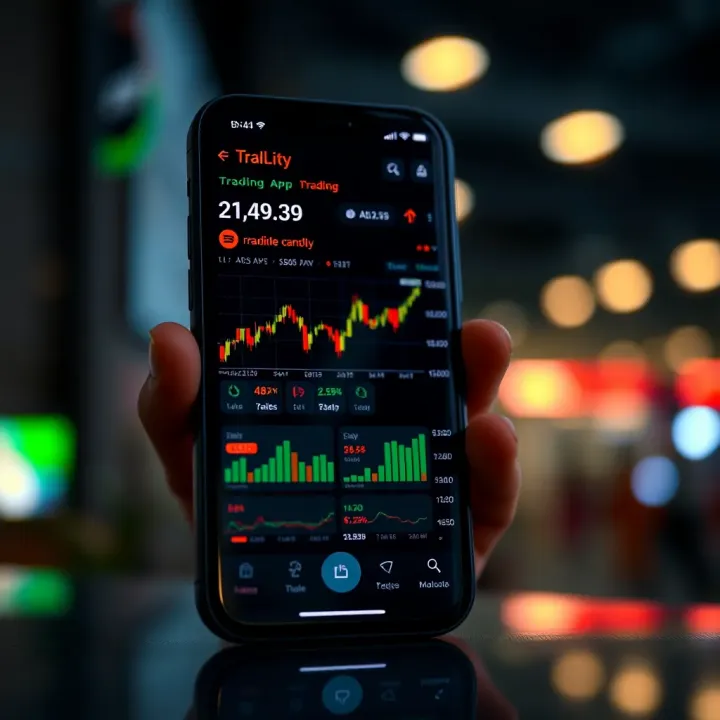
Ease of use directly impacts your trading efficiency and confidence, especially in fast-moving markets.
Beyond user experience, several factors come into play when selecting a trading app. Security is paramount: your app must protect sensitive data and transactions using strong encryption and two-factor authentication. Next, consider costs such as brokerage fees and account maintenance charges. Low-cost brokerage models, common in India today, can make a big difference for frequent traders.
Customer support can’t be ignored either. If your app offers prompt help in Hindi, English, or regional languages through chat or calls, it will ease the learning curve and troubleshoot issues swiftly.
To sum up, understanding what makes a trading app easy helps you save time and reduce errors, especially when investing your hard-earned money. The following sections will explore must-have features, security measures, cost factors, and how to get started confidently on your chosen platform.
A trading app in India stands out as easy to use when it simplifies investing processes without sacrificing essential functionality. This means it should remove technical barriers, enabling even beginners to trade confidently. Such apps must integrate useful features while remaining straightforward in navigation and setup. For investors, this reduces time spent on learning and increases focus on making informed decisions.
A simple design for beginners lowers the entry barrier for new traders. For example, icons and menus should clearly indicate their purpose without cluttering the screen. Apps like Zerodha’s Kite or Upstox Lite focus on minimalism, using clean layouts that direct attention to key tasks like search, buying, or selling. This helps avoid confusion and prevents users from feeling overwhelmed.
Customisable dashboards and shortcuts let active traders tailor their experience. Instead of a one-size-fits-all design, these features enable users to prioritise stocks, indices, or commodities they follow. For instance, an investor tracking pharma stocks can pin relevant market data right upfront. Shortcuts to commonly used orders also save seconds, which matter during volatile markets.
Mobile responsiveness and app speed play a practical role in retaining user engagement. Many traders depend exclusively on mobiles, especially in tier-2 and tier-3 cities where desktop access is limited. A slow or unresponsive app leads to missed opportunities and frustration. Good apps load market data faster and adjust smoothly to different screen sizes, ensuring a consistent experience whether on an Android or iOS device.
Linking bank account and PAN (Permanent Account Number) needs to be straightforward, as these are mandatory for transactions in India. A trading app that guides users through this linking without complicated forms or unnecessary redirects will reduce drop-offs. A concrete example is how HDFC Securities directs users step-by-step to link accounts, avoiding jargon.
Integration with Aadhaar and electronic Know Your Customer (eKYC) processes speeds up verification. Several top trading apps now use OTP-based Aadhaar validation, replacing lengthy physical paperwork. This benefits users who can complete registration from home quickly, without needing to visit branch offices or courier documents.
Fast approval processes enhance user experience by reducing wait times between signup and first trade. Apps that coordinate with stock exchanges and clearing corporations in real time approve accounts within hours or days. Such agility keeps investors motivated to start trading early and avoids losing interest due to delays.
Choosing a trading app with a simple interface and seamless account setup reduces the hurdles that often discourage new investors. It encourages more participation in India's growing financial markets.
Overall, an easy trading app balances simplicity with efficient features, letting you start quickly and trade comfortably, reflecting the demands of modern Indian investors.
When choosing a trading app in India, understanding the features it offers can make a big difference in how effectively you manage your investments. A good app not only lets you buy and sell easily but also equips you with the right tools to keep track of the market and your portfolio. This section highlights essential features that savvy investors and traders typically look for.
Live Sensex and Nifty updates provide instant access to market movements. Since these are key stock indices that represent the overall market sentiment, real-time updates help you react promptly. For instance, if the Nifty 50 index dips suddenly due to geopolitical tensions, timely alerts could guide you to adjust your investments or take protective steps.
Custom alerts for price changes are equally valuable. They let you set specific triggers, such as when a stock hits your target price or drops below a support level. Consider an investor holding shares in Reliance Industries; receiving an alert when its price crosses ₹2,500 can help decide whether to sell or buy more. This feature keeps you connected to market shifts without constant screen-watching.
Market news and analysis within the app offer context behind price movements. Many trading apps curate relevant news from reputed sources or provide expert commentary. This helps users understand why certain stocks or sectors are performing well or poorly. For example, news about government policy changes or quarterly earnings can influence your decision to invest or hold your position.
Placing market and limit orders should be straightforward in any good trading app. Market orders execute at the current price, ideal for quick buys or sales, while limit orders allow you to specify the price you're willing to accept. Suppose you want to buy Tata Steel shares only if they fall to ₹1,000; placing a limit order means your trade executes only when that price is met, saving you from paying more during volatile times.

Tracking stocks, mutual funds, and SIPs helps you monitor your investments in one place. A comprehensive portfolio view includes current valuations, gains or losses, and maturity dates. For example, if you have monthly systematic investment plans (SIPs) in Axis Mutual Funds, the app’s tracking feature should let you see your accumulated corpus and upcoming instalments clearly.
View detailed transaction history to keep your records organised and transparent. This not only assists in reconciliation during tax filing but also helps spot mistakes or unauthorised trades quickly. A solid trading app offers downloadable statements and filters for dates, transaction types, and instruments, enabling a smooth review.
Choosing a trading app with these key features ensures you stay informed, act swiftly, and manage your investments confidently amidst India’s dynamic markets.
Picking the right trading app is essential for Indian investors aiming to balance cost, security, and usability. While many options flood the market, selecting an app that fits your trading style and financial goals can save both time and money. A good app not only offers competitive brokerage but also ensures strong security and reliable customer support — aspects that often go unnoticed until problems arise.
Brokerage fees vary mainly between flat charges per trade and percentage-based fees on the transaction value. For example, Zerodha offers flat brokerage of ₹20 per trade, regardless of the order size, which benefits high-volume traders. On the other hand, ICICI Direct charges a percentage, making it costly for larger trades but possibly cheaper for small investments. It’s crucial to calculate fees based on your usual trade sizes to avoid surprises.
Demat account maintenance costs usually come as an annual fee. Some brokers like Upstox waive this fee for the first year or for customers maintaining a certain minimum balance. Ignoring these recurring costs can eat into your overall returns, especially for small investors starting with tight budgets.
Watch out for hidden charges such as call and trade fees, transaction fees on mutual funds, or withdrawal charges. These can quietly add up, particularly if you trade frequently or redeem investments often. Always ask for a detailed fee break-up before committing.
A trading app registered with the Securities and Exchange Board of India (SEBI) assures compliance with regulatory standards. This registration means your investments are monitored under India’s financial laws, offering legal protection and a degree of trustworthiness.
Data encryption and user authentication protect your account from unauthorised access. Apps leveraging two-factor authentication (2FA), biometric logins, and end-to-end encryption help keep personal and financial information safe, especially when trading on public or shared networks.
Fund safety is another critical factor. Many leading brokers keep client funds separate from their operational funds and provide insurance coverage against fraud or cyber theft. Knowing your money is insured up to a certain limit can ease worries during turbulent market phases.
Reliable customer support matters when you face trading hurdles during volatile markets. Multiple support channels like in-app chat, phone, and email make assistance accessible and quick. For instance, HDFC Securities offers dedicated helplines plus detailed FAQs to resolve common issues fast.
Educational resources including tutorials, webinars, and market insights can help beginners understand trading basics and advanced strategies. Apps like Groww and Angel Broking provide learning hubs designed for various skill levels, enhancing investor confidence.
Community forums and expert advice platforms within some trading apps offer peer interaction and professional tips. This can be invaluable, especially for those new to stock markets or mutual funds, offering real-world guidance beyond textbook concepts.
Choosing a trading app involves more than just picking the one with the lowest fees. Carefully assess the total cost, security protocols, and available support to ensure a smooth experience tailored to your investment needs.
Starting with a trading app is where you turn your investment plans into action. It's a crucial step because a smooth beginning sets the tone for future trading experiences. Understanding the installation process, completing necessary verifications, and executing your first trade without confusion can save you both time and stress.
Most Indians use either Android or iOS mobiles, so the trading app you choose should support both platforms seamlessly. Android apps are often available on the Google Play Store, while iOS users download apps from the Apple App Store. Make sure your mobile's operating system version meets the app's minimum requirements. For instance, some apps may not work properly on older versions of Android below 8.0 or iOS below 12.
Always download the trading app from official app stores like Google Play Store or Apple App Store. Third-party websites might offer the same app but there's a risk of malware or fake versions compromising your account details. Official sources also ensure you get timely updates and security patches. For example, if you try to install an APK file outside these platforms, you might expose your device to hacking or data leaks.
KYC (Know Your Customer) verification is mandatory for trading in India, helping prevent fraud and money laundering. Typical documents include your PAN card, Aadhaar card, a passport-sized photo, and an official address proof like utility bills or voter ID. Some apps allow instant eKYC through Aadhaar, which speeds up the process considerably.
Linking your bank account ensures smooth fund transfers when you buy or sell securities. Similarly, linking your demat account allows the app to hold your shares electronically. All transactions reflect in real time once these accounts are connected. For instance, if you buy shares worth ₹50,000, the money will immediately debit your linked bank account after the trade settles.
Several trading apps now support DigiLocker integration and Aadhaar-based eKYC. DigiLocker stores your official documents digitally, so you can share them securely without physical copies. Aadhaar offers biometric or OTP-based verification, further simplifying your onboarding. This approach reduces paperwork and speeds up account activation, making it easier for first-time investors to get going.
With your app ready, the next step is choosing what to invest in. Some beginners prefer mutual funds or ETFs for diversification, while experienced traders might pick individual stocks. Use the app's search and filter tools to find companies or funds based on sector, market cap, or recent performance.
Decide the order type — market orders execute at current prices, while limit orders let you set a price at which to buy or sell. Also, determine the investment amount carefully. For instance, if you want to buy 100 shares of a stock at a maximum price of ₹200 each, set a limit order. This control helps you avoid overpaying in volatile markets.
Before hitting the buy or sell button, review all details carefully. Check the stock name, quantity, price, and brokerage fees shown. Mistakes here can lead to unintended financial loss. Once confirmed, the app typically sends a notification with trade confirmation and transaction ID, which you should keep for your records.
Starting right with your trading app involves careful attention to installation, KYC, and your very first trade. Each step builds confidence and safeguards your investments.
Getting these basics clear means you can focus more on analysing the markets and less on technical hitches. Plus, it reduces risks like identity theft or transaction errors, which can be costly in trading.
Trading apps provide easy access to Indian financial markets, but without proper caution, investors may face security risks or financial losses. These tips help you protect your account, avoid mistakes, and use your trading app with confidence, ensuring smoother investing experiences.
Using strong passwords and two-factor authentication (2FA) is fundamental. A strong password contains a mix of letters, numbers, and special characters, making it hard for hackers to guess. Many apps offer 2FA, which means logging in requires entering a one-time password (OTP) sent to your mobile or email, adding an extra layer of security. This way, even if someone knows your password, they cannot access your account without the second verification.
Be cautious when using public Wi-Fi or shared devices. Public networks in cafes or railway stations may not be secure, increasing the risk of data theft. Avoid logging into your trading app on such networks. If necessary, use a trusted VPN service to encrypt your data. Also, keep your mobile device secure with screen locks and update your app and phone software regularly to patch security gaps.
Many new traders chase quick profits by making hasty decisions based on market rumours or sudden price jumps. This behaviour often leads to losses. Patience and sticking to a well-planned strategy work better. For example, in volatile markets like those of smallcap stocks, it’s safer to avoid impulsive moves.
Diversifying investments across sectors and asset types reduces risk. Instead of putting all money in one stock or sector, spread it over stocks, mutual funds, and perhaps even fixed deposits or gold ETFs. This provides a buffer if one investment underperforms. For instance, during the monsoon season, agricultural stocks might fluctuate, but IT sector stocks may behave differently.
Understand the risks involved before trading. Every investment comes with ups and downs influenced by market trends, government policies, and global events. Educate yourself on these factors and only trade what you can afford to lose. Use the educational resources provided by many apps to sharpen your understanding.
Most trading apps offer tools to analyse your portfolio’s performance, such as gain/loss reports and graphical views. Using these tools helps identify which stocks or funds are doing well and which need attention. Regular reviews prevent surprises and help you stay aligned with your financial goals.
Adjusting investments based on market trends is crucial. Suppose there’s a government policy favouring renewable energy; shifting some investments to this sector could be beneficial. At the same time, if a particular stock shows consistent losses without recovery signs, trimming it from your portfolio limits potential damage.
Regular review and cautious adjustments keep your investments healthy and aligned to changing market conditions.
Applying these tips will not only safeguard your account but also improve your trading effectiveness in Indian markets. Combining security with smart investment habits makes the most of trading apps’ convenience and reach.
Find the best trading app for Indian investors 📱. Learn key features, top apps, safety tips, SEBI guidelines, and smart strategies to boost your returns ₹.
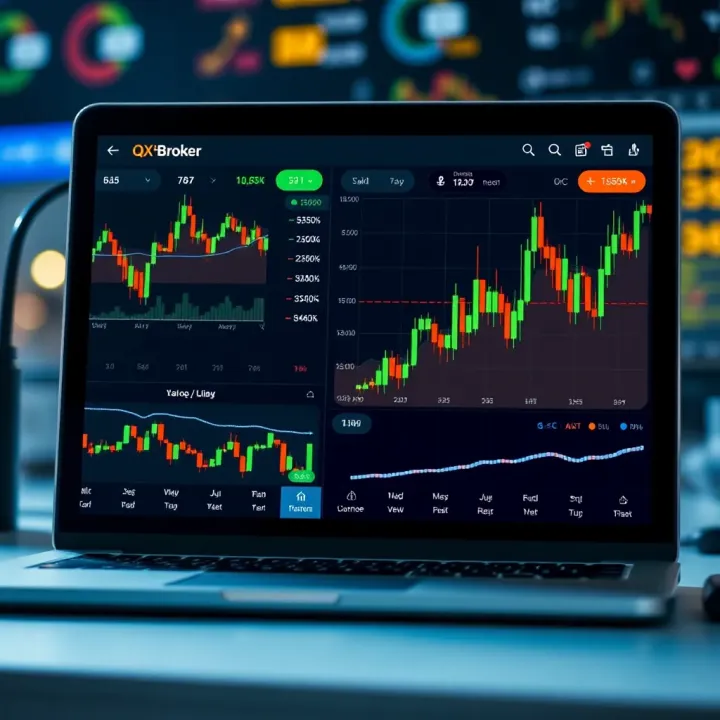
Explore QXBroker.com trading app📱: features, device compatibility, secure deposits, withdrawals💰, user-friendly design & helpful support in India🇮🇳.

🔍 Learn to spot genuine trading apps in India! Explore features, security, regulations, and tips for confident investing in your trading journey 📈.
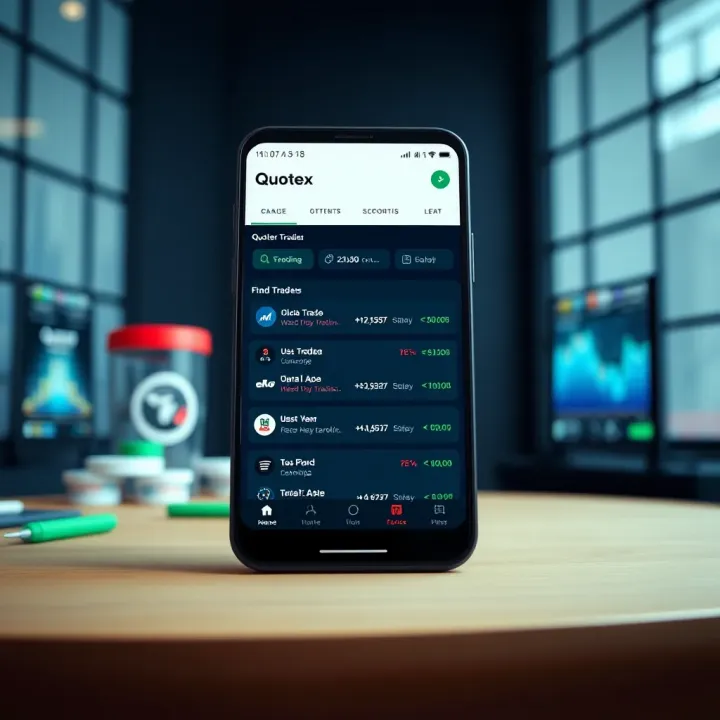
📲 Learn how to install and use the Quotex trading app in India with our step-by-step guide. Get tips on safe trading and account setup easily! 🇮🇳
Based on 12 reviews