
BCH Coin Price Prediction: Key Insights for Investors
🔍 Explore detailed Bitcoin Cash (BCH) price forecasts, key market drivers, historical trends & risks helping Indian investors navigate this volatile crypto asset confidently.
Edited By
James Carlton
Dash has emerged as a notable player in the cryptocurrency market, gaining attention for its emphasis on quick and low-cost transactions. Unlike many other cryptocurrencies that prioritise decentralisation or smart contracts, Dash focuses on everyday usability, especially for users needing faster payments without heavy fees.
Over the last few years, Dash has positioned itself as a digital cash alternative, which appeals to merchants and consumers alike. Its InstantSend feature enables near-instant confirmation of transactions, making it practical for retail scenarios where waiting for multiple confirmations would be inconvenient.
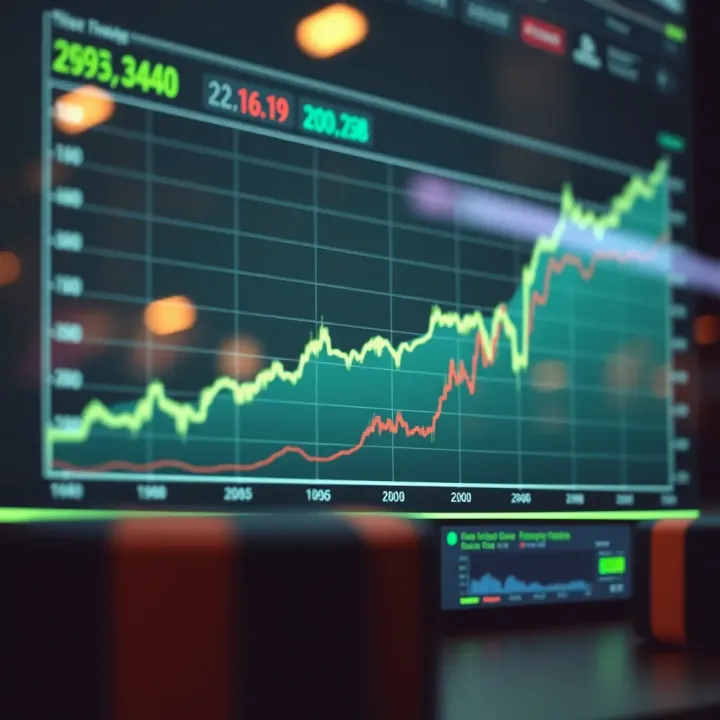
Investors looking to understand Dash's price trajectory should consider several factors. Market demand is influenced by its adoption in countries facing economic instability, where individuals look for reliable alternatives to traditional banking. For example, in Venezuela and some Latin American nations, Dash gained traction because it provides a more stable means of value and faster transactions compared to local currency.
Besides adoption, technical upgrades play a role in price movement. Dash's governance model allows stakeholders to fund development projects through decentralised voting, which helps roadmap improvements stay aligned with market needs. Analysts often weigh these governance-driven changes to predict how the network’s utility might grow.
Dash’s combination of speed, low fees, and community-driven development makes it stand out, but like all cryptocurrencies, it faces volatility shaped by regulatory shifts and market sentiment.
Key elements influencing Dash's price include:
Transaction Speed and Cost: Its ability to process transactions faster than Bitcoin or Ethereum with minimal fees.
Adoption Rate: Increased use by businesses and consumers heightens demand.
Regulatory Environment: Government policies in major markets can affect its accessibility.
Competition: Other cryptocurrencies focusing on payments, like Litecoin or Bitcoin Cash, impact Dash’s market share.
Given these aspects, those investing or advising on Dash should keep a close eye on network updates, emerging use cases, and regulatory news. This will help build realistic expectations around its future price performance, rather than relying on hype or short-term trends.
Understanding Dash is key for investors looking to grasp its potential in a crowded crypto market. Dash distinguishes itself with a focus on speed and low-cost transactions, making it attractive for remittances and daily payments. Grasping its features and where it stands helps traders make better price predictions and understand market movements.
Launched in 2014, Dash started as a fork of Bitcoin with enhancements aimed at practical use. Unlike Bitcoin’s slow transaction confirmation, Dash uses the InstantSend feature to complete transactions almost instantly. Its two-tier network architecture separates miners and masternodes, with the latter responsible for governance and specialised services like InstantSend and PrivateSend, which adds privacy through coin mixing. These features set Dash apart, offering a user-friendly crypto experience, especially for merchants and individual users seeking quick payments.
Dash’s approach focuses on real-world usability rather than speculation alone. While Bitcoin is famous as digital gold, Dash tries to function as digital cash. Its low transaction fees, often a fraction of a rupee, make it suitable for small-value transactions where traditional payment gateways impose heavy charges. Masternodes also provide Dash with decentralised governance, offering a voting mechanism absent in many other coins. This system funds its own development through block rewards, which helps sustain the network without relying on outside funding.
Globally, Dash has found a foothold in regions with limited banking infrastructure. For India, adoption remains modest but promising, especially as digital payments grow rapidly. Indian platforms like WazirX and CoinDCX support Dash trading, and its fast payment system appeals to remittance corridors. For example, merchants in tier-2 cities may prefer Dash for micropayments over traditional UPI or card payments to avoid the transaction charges. Internationally, Dash sees usage in countries like Venezuela and Kenya where quick, low-cost crypto payments serve as an alternative to unstable currencies.
Understanding Dash’s unique features and growing adoption in various markets helps investors evaluate its price potential realistically, beyond hype and volatility.
By knowing what Dash offers and where it stands among hundreds of cryptocurrencies, traders and analysts can better judge its future trajectory and decide if it fits their portfolio strategy.
Understanding what drives Dash’s price is vital for traders and investors looking to navigate the market effectively. Several factors shape how Dash moves in value, from demand and technological changes to regulation, all of which affect its appeal and stability.
The price of Dash is heavily impacted by market demand and trading volume. When more people want to buy Dash, the price tends to rise due to increased demand. Conversely, if holders rush to sell, prices can dip sharply. For example, during the cryptocurrency rally in 2021, Dash's trading volume surged on exchanges like WazirX and CoinDCX, pushing its price upward. However, sudden drops in trade activity or interest often lead to stagnation or declines in value.
Trading volume also shows liquidity—the ease with which Dash can be bought or sold without significantly affecting its price. Higher liquidity usually gives traders confidence as they can enter or exit positions quickly. For Dash, volumes on Indian and global exchanges fluctuate based on market sentiment, news cycles, and macroeconomic events.
Dash’s price reflects progress on its technology and network capabilities. Updates like enhancing PrivateSend for better transaction privacy or improving InstantSend speed make the currency more attractive for everyday use. For instance, the 2023 protocol upgrade aimed to reduce fees and boost transaction speed, which renewed investor interest.
Such technological improvements signal to the market that Dash is evolving and addressing real user needs. This can encourage adoption among merchants and users, creating a positive feedback loop that supports price growth. On the other hand, delays or issues in implementing upgrades might shake investor confidence and cause price drops.
Regulation remains a significant price driver for Dash in India. Changes by the Reserve Bank of India (RBI) or the Government can quickly alter market dynamics. When the government introduces clear crypto taxation rules or recognises cryptocurrencies, demand often rises as investors feel safer. Conversely, talk of bans or restrictive policies tends to scare participants off, dragging prices down.
India’s introduction of a 30% tax on crypto gains in 2022, combined with no set-off losses allowed, caused a noticeable dip in trading of assets like Dash. At the same time, clarity in the crypto policy can enable institutional investors to enter the market, potentially stabilising prices and fostering long-term growth.
For Indian investors especially, keeping an eye on regulatory announcements is crucial since these can lead to swift changes in Dash’s market behaviour.
In summary, Dash’s price reacts to a blend of market demand, technological progress, and regulatory signals. Tracking trading volumes on prominent Indian platforms, watching for technology upgrades, and staying updated on policy changes can help investors anticipate where Dash’s price might head next.
Expert opinions and forecast models are vital in understanding where Dash's price could head next. Traders and investors rely on these insights to gauge market sentiment and make timely decisions. Unlike mere speculation, forecasts often combine historical data, current trends, and technical signals to offer practical guidance.
Short-term predictions for Dash tend to focus on immediate market movements backed by recent trading volumes and news events. For example, if Dash launches a new upgrade improving transaction speed, experts may predict a price surge within weeks. Conversely, adverse regulatory announcements might prompt short-term dips. These predictions often use tools like moving averages and Relative Strength Index (RSI) to pinpoint entry or exit points for investors.
Long-term forecasts examine Dash’s sustainability and adoption trends over years. Analysts consider factors like increasing merchant acceptance, integration with payment platforms, and overall ecosystem growth. Some models suggest Dash could steadily climb if it continues to emphasise fast, low-cost transactions, especially in emerging markets where digital payments are booming. Long-term outlooks also weigh macroeconomic influences like government policies and global crypto market cycles to estimate Dash's future valuation.
Technical indicators provide a quantitative backbone to Dash price prediction. Popular indicators such as Moving Average Convergence Divergence (MACD), Bollinger Bands, and volume analysis help traders spot momentum changes or potential reversals. For example, a MACD crossover could hint at a bullish phase, prompting buying decisions. Bollinger Bands widen may signal increased volatility, suggesting cautious trading. Combining several indicators enhances prediction accuracy, especially when cross-checked against real-world events.
Expert views paired with robust forecasting models equip investors with a balanced perspective, blending data-driven signals with market realities.
In sum, relying on expert analyses and forecast models can help navigate the volatile world of Dash investment more confidently. They highlight opportunities, flag risks, and offer a clearer picture of what the near and distant future might hold for this unique cryptocurrency.
Understanding the risks and challenges systemically impacting Dash’s price is crucial for anyone planning to invest or trade in this cryptocurrency. Despite Dash’s strong focus on quick and affordable transactions, several factors may limit or destabilise its growth, affecting earning prospects.
Cryptocurrency markets are known for their volatility, and Dash is no exception. Price swings can happen rapidly due to shifts in investor sentiment, triggered by news headlines or macroeconomic events. For example, if the Reserve Bank of India hints at restricting cryptocurrency trading, Dash could see a sharp drop in demand in India, a growing user base. Likewise, speculative moves by large investors often lead to sudden price spikes or dips, which might seem like good opportunities but carry significant risk. Investors should be prepared for such fluctuations and avoid panic selling during downturns.
Market volatility can unsettle even the most seasoned traders, making it essential to keep emotions in check and base decisions on research rather than rumours.
Dash operates on a blockchain system that relies on network security to maintain trust. Any vulnerabilities or security lapses can undermine confidence and trigger sell-offs. While Dash uses a two-tier system with masternodes to enhance security and enable features like InstantSend, risks remain. Attacks like 51% attacks—where a single entity gains majority control of miners—could threaten the network's integrity. Moreover, smart contract bugs or wallet breaches could lead to loss of funds. Indian investors should verify that their exchanges and wallets have strong security protocols before committing funds to Dash.
Dash faces stiff competition from other cryptocurrencies that focus on similar use cases or offer more advanced technology. For example, Litecoin and Bitcoin Cash also emphasise faster transactions and lower fees, which may draw users and investors away from Dash. Additionally, emerging platforms like Solana and Polygon are pushing boundaries with smart contracts and scalability, challenging Dash’s market share. This competition can limit Dash’s price growth potential, especially if it fails to innovate or keep up with market expectations.
In summary, while Dash has the potential for price appreciation, market swings, security risks, and fierce competition all pose challenges. Investors should weigh these factors carefully to manage risks effectively and make informed decisions.
Investing in Dash offers Indian investors a chance to diversify their crypto portfolio with a focus on speed and low transaction fees. However, navigating this space requires practical steps and awareness of India-specific factors such as regulatory norms and tax implications. Understanding how to safely buy, keep track of taxes, and manage risks will help investors make informed moves.
Choosing the right cryptocurrency platform is vital to ensure security and liquidity when trading Dash. Indian investors commonly use platforms like WazirX, CoinDCX, and ZebPay, which support Dash trading pairs and follow Indian regulations. Factors to consider include user interface simplicity, ease of bank transfers via UPI or NEFT, and prompt customer service.
Besides local exchanges, global platforms such as Binance and Kraken offer Dash trading with higher liquidity but require compliance with KYC (Know Your Customer) norms and understanding foreign exchange rules. Investors should verify platform reputation and ensure two-factor authentication is enabled to prevent fraud.
Since 1 April 2022, cryptocurrency gains in India attract a flat 30% tax on profits, with no deduction allowed for losses except the cost of acquisition. For Dash transactions, this means profits from selling or trading are taxable as income from other sources. Additionally, a 1% Tax Deducted at Source (TDS) applies on payments made over ₹10,000 to crypto platforms or wallets.
Keeping accurate records of all transactions—buying price, sale price, dates, and transaction fees—is essential for correct tax filing. Using accounting software tailored for cryptocurrencies or Excel sheets can simplify this process. Non-disclosure or incorrect reporting may invite scrutiny from income tax authorities.
Crypto markets, including Dash, can swing sharply, influenced by global trends and local regulatory updates. Indian investors should adopt risk management approaches such as:
Diversification: Avoid putting all funds into Dash; spread investments across assets like Bitcoin, Ethereum, and stablecoins to balance volatility.
Setting Stop-Loss Orders: Automatic limits can reduce heavy losses during sudden downtrends.
Regular Portfolio Review: Assess performance and adjust holdings based on changing market conditions and personal financial goals.
Understanding one's risk appetite beforehand is crucial. While Dash's fast transactions make it attractive, overexposure can amplify losses if market sentiment turns bearish. Investors in tier-2 and tier-3 cities should also consider internet connectivity and digital literacy before heavy investments.
Staying informed about India's evolving crypto regulations and tax policies, while choosing trustworthy platforms and practising sound risk management, will help you navigate Dash investments more confidently and securely.
By combining these approaches, Indian investors can better position themselves to benefit from Dash’s unique features while mitigating pitfalls common in the crypto world.
🔍 Explore detailed Bitcoin Cash (BCH) price forecasts, key market drivers, historical trends & risks helping Indian investors navigate this volatile crypto asset confidently.
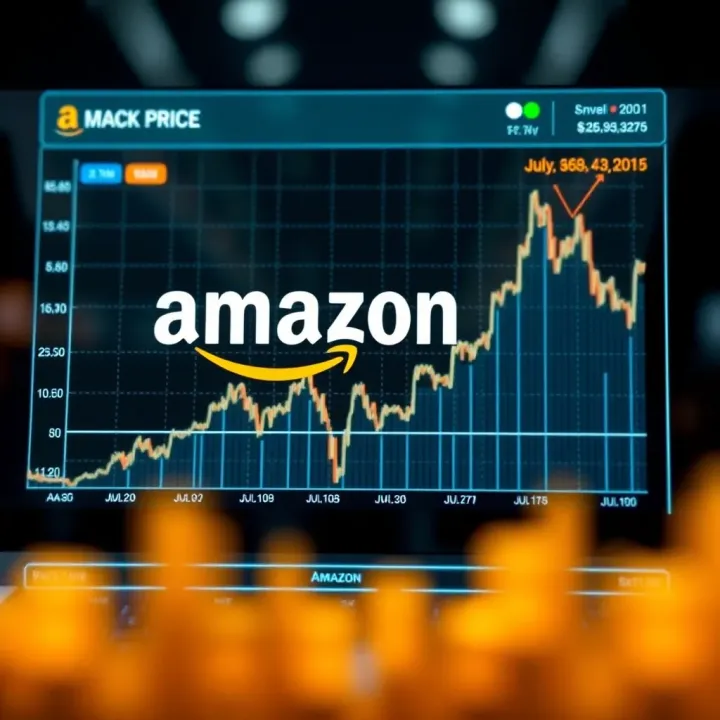
📈 Explore Amazon's stock trends with insights on financials, market factors, analyst views, and risks. Get a clear outlook to guide your investment decisions in 2024.
Explore Bonk's projected price till 2040 📈, analysing market trends, tech progress, regulatory effects & investment risks for Indian crypto enthusiasts. 💰
🔍 Discover Atom coin's price trends, key market factors, and expert insights shaping its future. Get a clear view of potential risks and opportunities ahead in crypto investing.
Based on 5 reviews