

Understanding Qutex Trading: Key Insights for Indian Traders
Explore Qutex Trading platform features, fees, and security 🔒 to help Indian traders make informed choices 🇮🇳. Compare brokers and get tips for success.
Edited By
Thomas Grant
India in 2050 will be a vastly different country, shaped by rapid economic growth, a young and skilled workforce, and wide-scale technological adoption. The opportunities for investors and advisers are significant, but so are the challenges, especially in managing environmental pressures and social changes.
India’s GDP is expected to grow steadily, potentially becoming the world's third-largest economy. This growth will be driven by sectors like services, manufacturing, and digital technology, with fintech playing a key role in financial inclusion and innovation. The country’s demographic dividend—over half its population under 35—offers a big advantage, provided skills development keeps pace.

Sustainable development will be critical—traders and investors should watch how India navigates energy transition, urbanisation, and climate risks.
On the tech front, advancements in artificial intelligence, blockchain, and 5G connectivity will expand access and efficiency in financial services, healthcare, and agriculture. Platforms like UPI have already transformed payments, and future innovations could further integrate rural and urban markets.
Environmental concerns such as water scarcity, air pollution, and climate change effects will require urgent solutions. India’s commitment to renewable energy, electric vehicles, and smart cities will reshape infrastructure and open investment channels, but balancing growth with resource conservation remains tricky.
Social transformations—from rising incomes to changing consumption patterns and education levels—indicate stronger domestic demand. Traders and analysts should note shifts in consumer behaviour post-pandemic, as online retail, health tech, and clean tech sectors gain momentum.
Overall, India’s 2050 outlook combines vibrant opportunity with complex challenges. Stakeholders equipped with precise insights into economic, demographic, technological, and environmental trends will be better placed to navigate this evolving landscape.
Economic prospects and growth trajectory form the backbone of India’s 2050 vision. Understanding how India’s economy will expand and transform helps traders, investors, and analysts position themselves strategically for long-term opportunities. The focus includes assessing GDP growth, sectoral shifts, the rise of innovation-driven industries, and infrastructure development that supports urbanisation.
India is expected to become the world’s third-largest economy by 2050, with GDP potentially crossing $30 trillion. Equally important is per capita income, which reflects the average citizen's economic wellbeing. India’s per capita GDP, currently around $2,000, could reach ₹3 lakh or more, signalling rising purchasing power and consumer demand across urban and rural markets. For investors, this growth means expanding consumer base coupled with higher disposable incomes, creating fertile ground for sectors focused on retail, services, and financial products.
Currently, agriculture employs nearly half of India’s workforce but contributes around 15% of GDP. By 2050, this balance will shift substantially as manufacturing and services take centre stage. The manufacturing sector’s expansion, supported by initiatives like Make in India and the Production-Linked Incentive (PLI) scheme, will boost job creation and exports. Meanwhile, services such as IT, finance, healthcare, and education will generate significant revenue streams. This transition matters to analysts because it signals a more diversified economy that can withstand sector-specific downturns, implying stable investment returns.
New industries like renewable energy, electric vehicles, biotechnology, and fintech are expected to flourish. For example, solar power capacity could multiply several times, driven by government targets and falling technology costs. Fintech firms will deepen financial inclusion through innovations in UPI and digital lending. These emerging sectors offer fresh avenues for venture capital and private equity, reshaping the economic landscape beyond traditional industries.
India is poised to become a major global manufacturing hub, partly as companies diversify supply chains away from overreliance on China. Areas like pharmaceuticals, electronics, and automotive parts manufacturing will see increased Foreign Direct Investment (FDI) and exports. This shift enhances India's role as a trusted supplier but also requires investments in quality standards and logistics. Investors should closely watch government policies around export incentives and infrastructure upgrades that support this pivot.
Urbanisation will accelerate with smart cities integrating digital technologies to improve governance, healthcare, transport, and utilities. Cities like Pune, Bengaluru, and Ahmedabad are already adopting IoT-based traffic management and water conservation systems. Smart city projects attract real estate investment and technological innovation, making urban India a hotspot for growth.
Upgrading transport networks through expanded metro systems, highways, and cargo corridors will reduce logistics costs and connect markets efficiently. Energy infrastructure will see a decisive tilt towards renewables, aided by grid modernisation and battery storage solutions. These developments lower operational risks and improve productivity for industries across the country.
India's economic future hinges on sustainable growth, diversified industries, and infrastructure that supports a rapidly urbanising population. Stakeholders who understand these dynamics will navigate India’s growth story with more confidence and better results.
Understanding demographic trends and population dynamics is key for traders, investors, and analysts aiming to anticipate market shifts in India by 2050. Population size, age structure, and migration patterns directly influence consumer demand, labour supply, and urban development, shaping economic opportunities and policy directions.
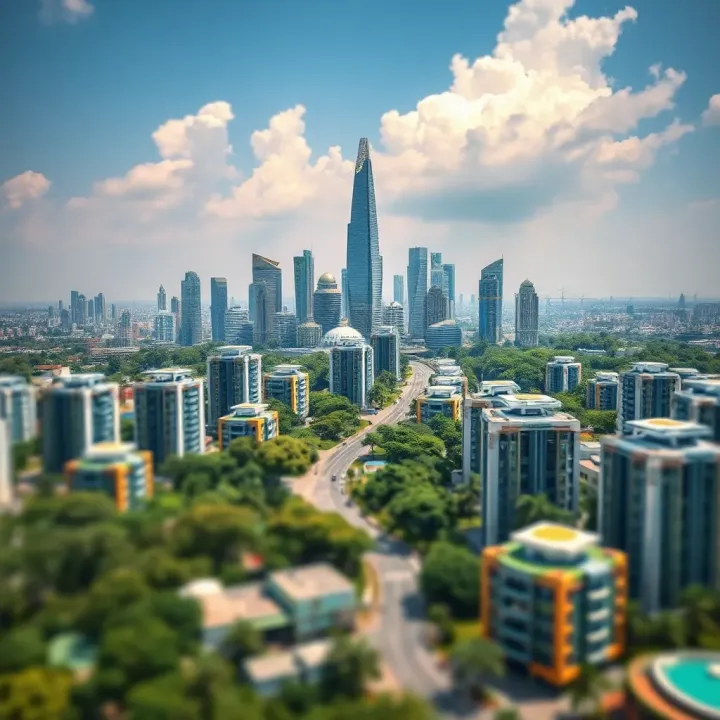
India is expected to witness a gradual stabilisation of its population after decades of rapid growth. Projections estimate the population will peak around 1.6 billion by mid-century, shifting India from the fastest-growing to one of the largest but slowly growing populations globally. This trend affects everything from domestic consumption to infrastructure needs, as slower growth means a shifting focus from quantity to quality of economic output.
At the same time, India's age composition will experience a significant transition. While the youth population (those below 25 years) will remain sizeable for some years, the country will also face ageing challenges with a rising share of older adults (60 years and above). This demographic shift requires balancing investments between education and skill development, on one hand, and healthcare and pension systems, on the other. For businesses, this means adapting products and services to varied age groups and anticipating demands for eldercare and retirement solutions.
Rural to urban migration will continue shaping India’s urban landscape through 2050, driven by job opportunities, better living standards, and improved amenities in cities. As millions move annually to metropolitan and tier-2 cities, this demographic flow fuels the expansion of urban economies but also strains existing infrastructure.
Successful integration of migrants in urban centres will play a critical role in sustaining urban growth and social harmony. Cities must ensure access to affordable housing, education, and basic services for migrants, many of whom come from rural backgrounds with limited urban exposure. Proper integration prevents informal settlements and social exclusion, which otherwise create long-term economic and social challenges.
For investors and advisors, tapping into growth linked with urban migration entails recognising sectors benefiting most—real estate, transport, retail, and financial services tailored for migrant populations. Focused urban policy implementation and inclusive growth strategies will underline India’s development path through 2050.
Technological progress will be a key driver shaping India’s future by 2050, impacting economic growth, social welfare, and global competitiveness. For investors and analysts, understanding how digital connectivity, artificial intelligence (AI), and sustainable technologies evolve will inform better decision-making and risk assessment.
India’s push to expand internet access and mobile adoption has already made sizeable gains, especially in rural areas. By 2050, nearly the entire population is expected to have fast mobile internet, thanks to affordable devices and improved broadband infrastructure. This wide availability opens new markets for fintech firms and digital services, enabling inclusive growth beyond metro centres.
The India Stack and Unified Payments Interface (UPI) have revolutionised online transactions and digital identities. India Stack offers a set of open APIs bridging government services, banking, and commerce, making processes simpler and more transparent. UPI’s rapid growth has made cashless payments everyday for millions, increasing transaction speed and reducing costs. For investors, these platforms indicate a digital-first economy with high potential for fintech innovations and new business models.
AI and automation are set to transform productivity across sectors. While automation may displace some routine jobs, it will boost efficiency and create new roles demanding higher skills. This shift requires workforce reskilling, providing opportunities for education technology companies and vocational training providers.
Sectors like manufacturing, logistics, and customer service will see heavy AI adoption by 2050. AI-powered supply chain optimisation and predictive maintenance can reduce costs and improve reliability. Meanwhile, AI’s role in financial services—including credit scoring and fraud detection—signals fresh avenues for fintech ventures and investors seeking tech-driven growth stories.
Renewable energy will dominate India’s energy mix by 2050. Advances in solar and wind technologies, combined with cheaper storage solutions, will turn sustainability goals into viable business cases. Commercial and residential solar installations are likely to rise, offering steady returns for green energy investors.
Innovations in agriculture and healthcare will also benefit from technology. Precision farming using drones and sensors can raise crop yields while conserving water. Telemedicine and AI diagnostics will improve healthcare accessibility in underserved regions. These developments open new frontiers for agri-tech startups and health-tech ventures addressing India’s pressing challenges.
Technological advancements are not only shaping India’s economic landscape but also creating inclusive opportunities for millions, making them a vital focus for long-term investors and advisors.
Environmental challenges are emerging as some of the most pressing concerns for India's future growth and sustainability. Addressing these challenges is critical for maintaining economic stability, protecting public health, and ensuring a high quality of life. Investors and analysts need to pay close attention to how India manages these issues, as they directly impact sectors from agriculture to infrastructure and urban development.
Rising temperatures and monsoon variability have become more apparent in recent years. India is witnessing hotter summers and unpredictable monsoon patterns, which complicate planning for industries like agriculture, water management, and energy. For example, erratic monsoon rains affect reservoir levels, which in turn disrupt power generation and irrigation scheduling, impacting millions.
These climate shifts also increase the frequency of extreme weather events such as heatwaves and floods. This unpredictability raises operational risks for businesses and strains government resources. Investors should monitor climate-related risks as they can affect supply chains, commodity prices, and insurance claims.
Effects on agriculture and water resources are especially worrying. Agriculture still employs a large portion of India's population, making the sector sensitive to slower or shifting monsoons and rising temperatures. Water scarcity in key farming regions like Rajasthan and Maharashtra threatens crop yields, leading to potential food inflation and rural distress.
Moreover, groundwater depletion is accelerating as farmers rely more on pumps to compensate for irregular rains. This unsustainable extraction jeopardises long-term water security and can limit agricultural productivity, affecting both domestic consumption and exports.
Air and water quality issues remain significant hurdles. Major cities continuously struggle with air pollution from vehicles, industries, and construction dust, impacting public health and worker productivity. Poor air quality also influences sectors such as tourism and real estate.
Water pollution from industrial effluents and inadequate sewage treatment affects both rural and urban communities. Contaminants in rivers and groundwater pose health hazards and limit the availability of clean water for businesses and households. This creates risks for industries relying on water-intensive processes.
Waste management and circular economy are gaining importance but face practical challenges. Indian cities generate millions of tonnes of waste annually, with a large portion ending up in landfills or informal dumpsites. This situation causes environmental damage and missed opportunities for resource recovery.
Encouragingly, some states and private firms are promoting recycling, composting, and waste-to-energy initiatives. Adopting circular economy principles could reduce raw material costs, create jobs, and lower environmental footprints, which investors can consider when evaluating sustainable business models.
Government measures and international commitments play a vital role in shaping environmental responses. Policies such as the National Action Plan on Climate Change (NAPCC) mandate renewable energy targets and energy efficiency improvements. Compliance with global accords like the Paris Agreement pressures India to reduce emissions while balancing development needs.
The government's push for cleaner fuels, electric vehicles, and stricter pollution standards aims to improve urban environments and support sustainable growth. These policies create new markets and incentives for green technologies that investors should watch.
Grassroots movements and local actions increasingly complement official efforts. Community-led clean-up drives, afforestation projects, and rainwater harvesting initiatives show promising results in several regions. These local movements help raise awareness and build resilience against environmental degradation.
Such initiatives often foster collaboration between citizens, businesses, and authorities, generating innovative solutions customised to specific local needs. Investors and advisors could explore opportunities that align with these community-driven environmental projects for long-term impact and returns.
Environmental challenges in India present complex but addressable risks. Proactive policy frameworks combined with community participation will be key in steering the country towards sustainable growth by 2050.
Understanding social changes and cultural evolution is vital for grasping India's long-term trajectory. These shifts influence workforce quality, healthcare needs, and societal balance—all crucial for investors, traders, and policymakers aiming to tap into India's potential by 2050. Social progress shapes consumption patterns, drives innovation adoption, and affects economic resilience.
Expansion of quality education drives India’s human capital growth. Improving access to quality education across rural and urban areas enhances the talent pool for emerging industries like fintech, biotechnology, and information technology. Government programmes such as the National Education Policy (NEP) 2020 already promote digital tools and multilingual learning, which must scale for long-term impact.
Besides increasing enrolment, bridging quality divides is equally important. For instance, schools in tier-2 and tier-3 cities require better-trained teachers and smart classrooms to match urban standards. This will equip freshers and professionals alike with stronger foundational skills relevant to dynamic economic sectors.
Focus on vocational and digital skills complements formal education by addressing employability and entrepreneurship. With over half the workforce expected in non-agricultural sectors by 2050, vocational training aligned with industry needs becomes imperative. Training youth in trades such as electronics repair, renewable energy installation, and data analytics prepares them for jobs that are stable, well-paying, and locally available.
Digital skills go beyond basic computer literacy. Proficiency in areas like coding, cybersecurity, and digital payments enables India’s workforce to engage in the expanding digital economy. Startups and fintech firms especially benefit from a digitally confident talent base, boosting innovation and export prospects.
Improvement in public health infrastructure means expanding hospital capacities, upgrading rural primary health centres, and integrating telemedicine. The COVID-19 pandemic exposed gaps, prompting greater investment in diagnostics and emergency care. Strengthening infrastructure reduces disease burden and supports a healthier workforce, which influences productivity and consumer confidence.
For investors and financial planners, healthier populations shift demand toward wellness and insurance, stimulating sectors like health tech, pharmaceuticals, and diagnostics services. Regions with enhanced health services often attract businesses seeking stable environments for operations.
Challenges related to lifestyle diseases such as diabetes, heart disease, and obesity are rising concerns. Urban lifestyles combined with dietary changes increase vulnerability to these conditions. Addressing this requires not just healthcare but public awareness campaigns and workplace wellness programmes.
Financially, the growing prevalence of lifestyle diseases may strain healthcare spending. Investors should watch for opportunities in preventive healthcare technologies and insurance products tailored to this demographic shift.
Progress in gender parity reflects in higher female labour force participation, educational attainment, and political representation. Women entrepreneurs are increasingly seen in fintech and e-commerce sectors, driving innovation with fresh perspectives. Policies encouraging maternity benefits and workplace safety help retain talent and improve household incomes.
This progress wipes away certain market inefficiencies and unlocks substantial economic value. Companies with diverse leadership tend to deliver better returns, an insight increasingly factored into investment decisions.
Inclusion of marginalised communities is critical for balanced growth. Scheduled Castes (SC), Scheduled Tribes (ST), and Other Backward Classes (OBC) constitute significant population segments that have historically faced barriers. Enhancing their access to education, finance, and technology can reduce income disparities and create bigger consumer markets.
Financial inclusion initiatives like Jan Dhan Yojana and the proliferation of UPI payments demonstrate how technology can empower these groups. Investors may find emerging opportunities in microfinance, affordable housing, and rural enterprises driven by these communities.
Social changes shape India’s economic fabric profoundly. For investors and analysts, understanding these trends clarifies where growth opportunities and risks lie over the next three decades.
Explore Qutex Trading platform features, fees, and security 🔒 to help Indian traders make informed choices 🇮🇳. Compare brokers and get tips for success.

Explore future trends of Reliance Industries across tech, retail, energy & telecom 📈. Insights based on current strategies & market outlooks in India 🇮🇳.

Explore QX Broker.com ✅ detailed features, account types, trading tools & support for Indian traders 🇮🇳. Discover security measures & user experience! 🔒

📋 Step-by-step guide for Indian users to sign up on Quotex safely, covering registration, account verification, security tips, and platform features.
Based on 11 reviews