
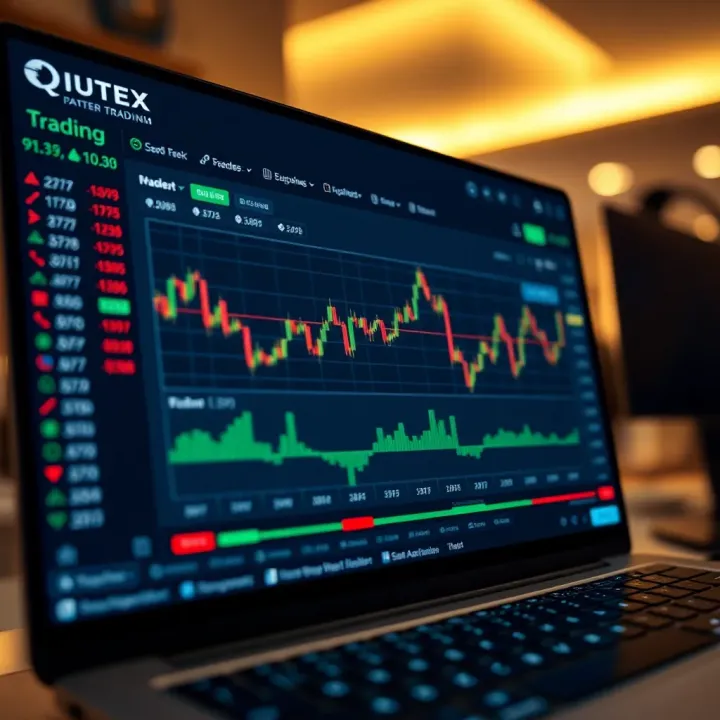
Understanding Qutex Trading: Key Insights for Indian Traders
Explore Qutex Trading platform features, fees, and security 🔒 to help Indian traders make informed choices 🇮🇳. Compare brokers and get tips for success.
Edited By
Charlotte Davies
Cryptocurrency and non-fungible tokens (NFTs) have become more than buzzwords in India’s financial landscape. Over the past few years, digital assets have attracted a diverse set of investors, from tech-savvy millennials to traditional traders looking to diversify their portfolios.
At their core, cryptocurrencies like Bitcoin and Ethereum are digital currencies secured by blockchain technology — a decentralised ledger that records transactions transparently and securely. NFTs, on the other hand, represent unique digital items such as art, collectibles, or music, verified through blockchain to ensure authenticity and scarcity.
Indian investors need to understand that while these assets offer exciting opportunities to grow wealth, they also come with distinct risks. Volatility, regulatory uncertainty, and fraud are not uncommon in this space.
Understanding how these work helps investors make informed decisions. For example:
Crypto trading operates on various exchanges such as WazirX or CoinDCX within India, where you can buy/sell coins using Rupees or other cryptos.
NFT marketplaces like OpenSea or Rarible host digital art, where creators can monetise work and buyers own original tokens.
It’s vital to remember that the Reserve Bank of India (RBI) has not recognised cryptocurrencies as legal tender. Meanwhile, the government has proposed regulations that could impact trading and taxation. Keeping abreast of official guidelines from bodies like RBI and the Securities and Exchange Board of India (SEBI) is wise.
For Indian investors, investing in crypto and NFTs should align with risk appetite and financial goals. Starting small and using secure wallets or platforms helps minimise exposure while gaining experience. Technical knowledge around blockchain, wallet security, and transaction fees can save unnecessary losses.
This guide aims to clear doubts, demystify jargon, and shed light on practical aspects, enabling you to explore digital assets safely and confidently in India’s evolving market.
Cryptocurrencies have become a popular investment avenue for many Indians, but understanding what they are and how they operate is essential before diving in. At the core, cryptocurrencies are digital currencies that function independently of traditional banks or governments. They rely on advanced technologies that offer transparency and security, making them a disruptive force in the financial world.
A cryptocurrency is a digital or virtual form of money secured by cryptography, which makes counterfeiting difficult. Unlike physical cash or bank deposits, cryptocurrencies exist purely in digital form and operate on peer-to-peer networks. This allows transactions to happen directly between parties without intermediaries, reducing costs and increasing transaction speed. Key features include decentralisation, limited supply (like Bitcoin capped at 21 million coins), and transparency, as every transaction is recorded on a public ledger.
In India, Bitcoin remains the most known and widely traded cryptocurrency, often considered digital gold for its store-of-value properties. Ethereum is also popular, thanks to its smart contract capabilities that enable decentralised applications (DApps). Other cryptocurrencies like Ripple (XRP) and Cardano have gained traction among investors seeking alternatives with faster transaction speeds or innovative features. For Indian traders, choosing established cryptocurrencies with good liquidity and regulatory clarity is generally safer.
Blockchain is the technology underpinning cryptocurrencies. Think of it as a distributed digital ledger that records all transactions across a network of computers, called nodes. Each block in the chain contains multiple transactions, and once a block is added, it cannot be altered without consensus from the network. This design ensures records are tamper-proof and verifiable. For example, when someone sends Bitcoin, the transaction goes through verification by miners who add it to the blockchain, making the process transparent and trusted.
One major strength of blockchain is its decentralised nature. Unlike traditional banking systems controlled by one entity, blockchain operates across thousands of nodes worldwide, reducing single points of failure. This decentralisation makes the network resilient against hacks or fraud. For investors, this means their digital assets are protected by cryptographic protocols and consensus mechanisms. However, security also depends on personal practices—using trustworthy wallets and securing private keys is crucial to avoid losses.
Understanding these basics helps Indian investors navigate the evolving crypto landscape with greater confidence and informed decisions.
NFTs have carved a niche in the digital economy, offering something cryptocurrencies cannot: unique digital items. For Indian investors exploring digital assets, understanding NFTs is vital as these tokens represent ownership of one-of-a-kind items, making them distinct investment opportunities. From art and music to gaming assets, NFTs unlock new ways of owning and trading digital goods.
Unlike cryptocurrencies such as Bitcoin or Ethereum, which are interchangeable and hold equal value per unit, NFTs are non-fungible, meaning each token is unique and cannot be replaced by another. This unique identity is crucial for collectors and creators because it guarantees exclusivity. For example, owning an NFT of a rare digital art piece by an Indian artist like Beeple means holding a token that no one else has, which can appreciate in value if demand grows.
Common types of NFTs extend beyond art to include collectibles, gaming avatars, virtual real estate, and music rights. In India, gaming NFTs tied to titles like Axie Infinity are gaining traction, while Bollywood celebrities experimenting with NFT collectibles have boosted public interest. These categories demonstrate NFTs’ versatility as digital assets and investment vehicles.
The process of turning digital content into NFTs is called 'minting.' Minting happens on blockchain platforms like Ethereum, Polygon, or Binance Smart Chain. When you mint an NFT, the digital file gets linked with a unique certificate recorded on the blockchain. This certificate locks the item's uniqueness and sets the groundwork for ownership and transfer. Minting costs, known as gas fees, can fluctuate; for Indian investors, choosing platforms with low fees like Polygon is often smarter.
Digital ownership through NFTs means buying more than just a copy of a file. The blockchain ledger provides an immutable proof of authenticity and ownership, which anyone can verify. This aspect helps prevent forgery and enables easy resale or auctioning of NFTs. For instance, a digital artwork minted as an NFT by a Mumbai-based artist will have a record proving you are the rightful owner, unlike a simple image downloaded off the internet.
NFTs blend creativity with blockchain technology, creating digital assets that are sufficiently unique and secure. For Indian investors, this combination opens up innovative investment avenues with clear proofs of ownership and authenticity, a feature traditional digital assets often lack.
Understanding NFTs equips investors with knowledge to navigate this emerging market confidently, distinguishing genuine opportunities from hype. From minting costs to ownership verification, these details help shape smart decisions in the vibrant Indian digital asset ecosystem.
Cryptocurrencies have slowly gained ground in India's financial landscape, moving beyond mere speculation to practical uses. While most Indian investors see crypto mainly as an investment tool, some are starting to use digital coins for payments and money transfers. For example, peer-to-peer platforms and payment apps now enable users to send crypto funds quickly, even across states, without traditional banking delays. Despite this, crypto's role as a widespread payment method remains limited compared to digital wallets like Paytm and Google Pay.
Investment patterns in India reflect cautious optimism. Many investors choose established cryptos like Bitcoin and Ethereum, often as part of diversified portfolios rather than all-in bets. Systematic investment plans (SIPs) through crypto-focused funds are slowly emerging, indicating a maturing mindset that balances risk and reward.
The regulatory environment around crypto in India remains in flux, which impacts adoption significantly. The Reserve Bank of India (RBI) showed hesitation initially but later allowed banks to service crypto businesses after a Supreme Court judgement in 2020. Still, absence of clear laws creates uncertainty for investors and exchanges alike. This regulatory grey area affects liquidity and user confidence, with occasional government warnings about potential scams.
On top of that, proposed laws in Parliament periodically stir debate about imposing taxes, banning private cryptocurrencies, or regulating them as assets. Traders and businesses must stay updated because regulatory moves could alter the market dynamics quickly.
India's NFT market has started to catch attention, especially in creative sectors. Artists and creators use NFTs to monetise digital art without middlemen, enabling direct connection with buyers worldwide. Platforms like WazirX and Polygon Mumbai network support such transactions, making it easier for Indian artists to showcase and sell.
Gaming is another area seeing NFT integration. Indian game developers and startups experiment with in-game items as NFTs, allowing players to truly own, trade, or sell virtual assets. This trend is particularly visible in blockchain-based games where NFTs bring transparency and ownership verification.
Celebrity and brand involvement helps fuel NFT interest in India. For instance, Bollywood stars like Amitabh Bachchan and cricketers like MS Dhoni have launched limited-edition NFTs, creating fan engagement and alternate revenue streams. Brands such as Tata and Royal Enfield have also dipped their toes by releasing branded collectibles.
This involvement not only raises awareness but also adds some legitimacy to NFTs, encouraging cautious investors to explore beyond pure cryptocurrencies. Still, buyers should watch out for speculative bubbles and verify the authenticity of offerings.
The Indian crypto and NFT space is rapidly evolving, shaped by innovative uses, growing investor appetite, and regulatory signals. Staying informed allows you to navigate this landscape more confidently, making smarter investment and participation decisions.
Understanding the risks and necessary precautions is vital when dealing with cryptocurrencies and non-fungible tokens (NFTs), especially for Indian investors who navigate an evolving landscape. These assets are not only volatile but also come with challenges like fraud and regulatory uncertainty. Being aware helps you protect your investments and make informed choices.
One major concern in crypto and NFT investments is price volatility. Cryptocurrencies like Bitcoin or Ethereum can swing dramatically in value within hours or days, influenced by global events, regulatory news, or market sentiment. For example, a sudden RBI announcement or government stance can push prices down sharply, impacting investors who hold without a clear exit strategy. NFTs, being newer and less liquid, often face even more unpredictable price movements, making them riskier for those seeking quick gains.
Besides price changes, investment risks include liquidity challenges and market manipulation. Smaller or less-known tokens and NFTs might not find buyers easily at the expected price. Many investors have faced situations where an NFT is hard to sell despite high initial hype, or a token’s price collapses after a pump-and-dump scheme by unscrupulous traders. Keeping a diversified portfolio and setting a budget you can afford to lose helps mitigate such risks.
Fraud and scams also pose a serious threat. Fake NFT projects promising huge returns or cloned websites of exchanges can trick investors into parting with money or personal credentials. Ponzi schemes disguised as crypto investment platforms have been reported across India, leading to significant losses. For example, in 2022, an impersonation scam saw multiple retail investors lose lakhs by trusting phishing links. Always verify credentials, use official platforms, and avoid deals that seem too good to be true.
India’s regulatory environment around crypto and NFTs remains in flux. The Reserve Bank of India (RBI) has issued warnings about the risks, but there is no outright ban on cryptocurrencies. The government has proposed legislation multiple times, but no final law has yet been enacted. As a result, the sector operates in a grey zone where rules may suddenly shift, affecting exchanges, trading, and ownership.
Indian authorities require compliance with know-your-customer (KYC) norms on crypto exchanges, adding a layer of security for users but also surveillance. Investors should follow updates from the Ministry of Finance and RBI to stay ahead of changes. Regulatory clarity is expected to improve with ongoing discussions, but for now, staying cautious with investments is wise.
Taxation and compliance remain a key concern. Since April 2022, India imposes a 30% tax on income from crypto transactions without the benefit of losses being set off against other income. Additionally, a 1% Tax Deducted at Source (TDS) applies on crypto trades above a set threshold. For NFTs, gains are also taxable under this provision. Many investors overlook this, resulting in surprise tax bills. Maintaining proper transaction records, consulting tax experts, and declaring crypto incomes in annual Income Tax Returns (ITR) are crucial steps.
Taking measured precautions while understanding the volatility, scams, and legal aspects can help you navigate the crypto and NFT space more securely in India.
By recognising these risks and legal nuances, Indian investors can better prepare and protect their digital asset portfolios from unexpected pitfalls.
Getting started with cryptocurrencies and non-fungible tokens (NFTs) in India requires a clear understanding of the platforms and procedures involved. This section offers practical advice on choosing trusted exchanges and wallets, alongside a basic guide to trading and creating NFTs. Having a reliable setup and knowing the costs help avoid common pitfalls.
When entering the crypto space, picking the right platform is crucial. Indian investors typically use exchanges like WazirX, CoinDCX, and ZebPay. These platforms provide convenient rupee-to-crypto trading pairs, easy KYC (Know Your Customer) processes, and operate under Indian regulatory scrutiny. Their mobile apps are user-friendly, allowing instant buy-sell operations, and support multiple cryptocurrencies including Bitcoin, Ethereum, and emerging tokens.
Apart from exchanges, secure wallets are essential for storing digital assets safely. Hardware wallets like Ledger Nano S and Trezor are popular for offline storage, reducing hacking risks. For everyday use, mobile wallets such as Trust Wallet or CoinSwitch Kuber offer easy access but demand vigilance against phishing and malware attacks.
Security tips are non-negotiable. Always enable two-factor authentication (2FA) on your accounts and avoid sharing private keys with anyone. Use strong, unique passwords and update devices regularly to patch vulnerabilities. Beware of unsolicited investment tips or fake airdrops on social media—the crypto space often attracts fraudsters targeting careless users.
The process to buy NFTs generally starts with selecting a reliable marketplace such as OpenSea or Rarible. After setting up a digital wallet (for example, MetaMask), users fund it using cryptocurrencies like Ethereum. Buying involves placing bids or purchasing listed NFTs outright. Selling requires listing your token and setting a price or auction terms.
Creating NFTs, or minting, means converting your digital art, music, or collectibles into blockchain-based tokens. Platforms like Polygon and Ethereum enable minting with straightforward interfaces. The creator must upload the digital file, add metadata, and confirm the blockchain transaction, which records ownership permanently.
Costs and fees impact every step. Exchanges charge trading fees ranging from 0.1 to 0.5%. NFT marketplaces levy 'gas fees'—the cost of executing blockchain transactions—which vary with network congestion. For instance, minting an NFT on Ethereum can cost ₹1,000 to ₹3,000 or more during peak times. Polygon and other layer-2 solutions often offer lower fees, making them popular among Indian creators.
Starting carefully with known platforms and understanding expenses helps Indian investors avoid surprises and protects their digital assets effectively.
Explore Qutex Trading platform features, fees, and security 🔒 to help Indian traders make informed choices 🇮🇳. Compare brokers and get tips for success.

Discover how QX Affiliate works and its benefits 📈. Learn effective strategies for success and maximize earnings with this guide for Indian marketers 🇮🇳.
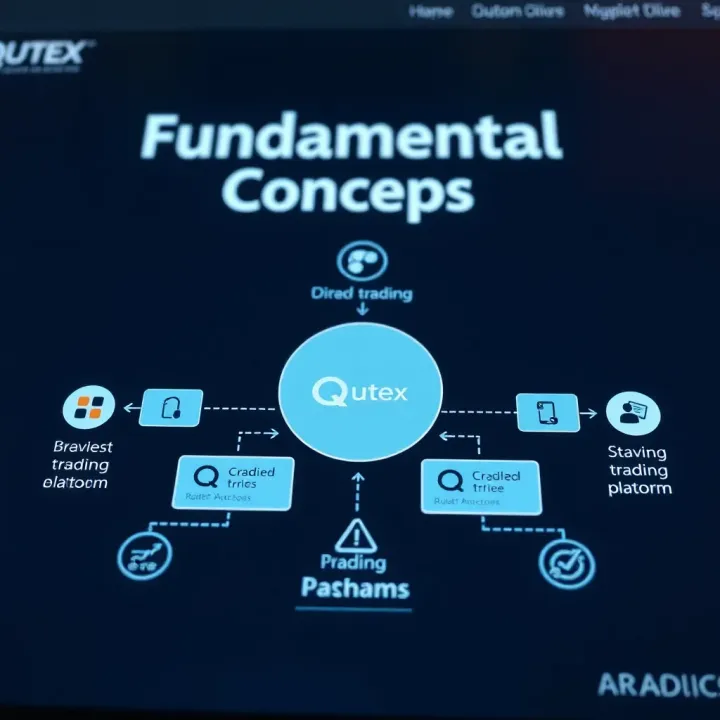
Explore Qutex trade in India with key concepts, market strategies, risks, and regulations. Gain practical tips for effective trading 📈💼🇮🇳

Is Quotex legal in India? 🇮🇳 Learn about its regulatory status, trading risks, and safe practices for Indian traders before investing.
Based on 10 reviews