
Understanding Quotex for Indian Traders
Explore Quotex trading platform🌐 made simple for Indian users🇮🇳. Learn features, setup, risks & benefits to trade smartly online📈💡
Edited By
Amelia Scott
Indian businesses aiming to expand globally must carefully choose the right export option. The export market involves multiple pathways, each with different requirements, risks, and benefits. Making an informed choice helps companies avoid costly mistakes, ensures regulatory compliance, and improves chances of success abroad.
Export methods broadly fall under direct and indirect exporting. Direct exporting means the business itself takes care of finding overseas buyers and handling logistics. Indirect exporting involves intermediaries like export agents or trading companies.
Exporters with well-established products and market knowledge often prefer direct exporting. They maintain control over pricing, branding, and customer relationships but must manage documentation and shipping. For example, a Bengaluru-based textile manufacturer selling sarees directly to boutiques in Europe handles export licences, customs clearance, and foreign payment collection.
Small or first-time exporters may choose indirect routes. Export agents connect Indian manufacturers with buyers abroad for a commission while taking care of paperwork. Export trading companies purchase goods from Indian firms and resell overseas, bearing much of the risk. An SME using a Mumbai-based export house avoids complexities of foreign regulations but gets less direct market feedback.
Whichever method is chosen, compliance with Indian and international trade laws matters. Businesses need a valid Import Export Code (IEC) issued by the Directorate General of Foreign Trade (DGFT). Key documents include:
Commercial Invoice: Details items, prices, and buyer info
Packing List: Specifies packaging and quantities
Bill of Lading or Airway Bill: Shipment proof
Certificate of Origin: Confirms product’s Indian origin
Without proper paperwork, shipments may face delays or penalties.
Exporters should also understand payment terms like Letters of Credit (LC), advance payment, or open account to protect against non-payment risks.
Understanding various export options helps Indian traders tailor their approach based on scale, risk appetite, and resource availability. Direct exporting offers more control but needs expertise and investment, while indirect exporting is simpler but less hands-on. Mastering documentary and payment terms further eases international trade and promotes business growth overseas.
For Indian businesses aiming to tap international markets, understanding the different methods of exporting goods is essential. Each method has its own set of advantages, costs, and complexities, which can significantly impact how smoothly your goods reach overseas buyers. Picking the right approach depends on factors like your business size, resources, and risk appetite.
Selling directly to overseas buyers offers greater control over pricing and brand positioning. When you engage directly, you interact with buyers and end customers without middlemen, meaning you retain a better share of profits and can respond swiftly to feedback. For instance, a textile exporter from Surat dealing directly with apparel companies in Europe can negotiate customised orders and establish stronger relationships.
However, direct exporting requires a solid infrastructure to manage international transactions, logistics, and compliance. Setting up an export team, understanding foreign market regulations, and bearing marketing costs increase initial investment. An exporter in Mumbai, for example, needs skilled personnel who can handle foreign trade documents, customs procedures, and shipping arrangements. Without these, the risk of delays or penalties rises.
Indirect exporting involves using intermediaries such as export agents, trading companies, or export houses. These agents take care of finding buyers, managing paperwork, and handling shipment logistics, allowing Indian exporters to concentrate on production. For freshers in exporting, this lowers the entry barrier.
This method suits small and new exporters with limited international experience or capital. For example, a small handicraft unit in Rajasthan might sell to an export house that bundles many such products and sends them abroad. Indirect exporting helps avoid heavy investments in infrastructure, reduces risk, and provides a learning curve about global markets.
Export management companies (EMCs) partner with manufacturers to manage exports fully or partly. This relationship allows exporters to access expertise without building their own export department. EMCs handle sales, documentation, shipping, and even payment collection.
Outsourcing export responsibilities helps businesses focus on production quality and scaling without worrying about market entry challenges. A food processing company in Punjab, for example, might rely on an EMC to access Gulf countries efficiently, bypassing complex export procedures. This flexible model works especially well for firms wanting to test foreign markets before committing large funds.
Choosing the right export method is a strategic decision that balances market control, cost, and risk. Understanding these options helps Indian businesses navigate the global marketplace more confidently.
Export documentation is the backbone of any international trade transaction. Its accuracy and completeness ensure smooth clearance through customs, avoid shipment delays, and facilitate timely payments. For Indian businesses venturing into global markets, understanding critical export documents and compliance requirements can save both time and money while keeping operations legally sound.
The commercial invoice serves as the main proof of sale between exporter and importer, detailing the goods, quantity, price, and payment terms. For instance, when an Ahmedabad-based textile exporter ships sarees to Europe, the commercial invoice must clearly state the description, HS code, unit price, and total value. This document is crucial for customs valuation and duty calculation.
The packing list complements the commercial invoice by listing the contents of each package or container. It helps customs officers verify the shipment's actual items against the declared invoice. A Chennai leather goods exporter who packs products into multiple cartons must provide a detailed packing list mentioning carton number, weight, and dimensions, speeding up customs inspection.
The bill of lading (BOL) is a key transport document issued by carriers for sea freight. It acts as a title document, a receipt for goods shipped, and a contract for carriage. For example, a Mumbai exporter shipping machinery to Singapore via sea receives a BOL, which the consignee uses to claim cargo at destination port. This document also helps banks process payments under letters of credit.
The airway bill (AWB) functions similarly but covers air shipments. Given the speed of air cargo, the AWB is usually non-negotiable and simpler in format. A Bengaluru IT hardware exporter sending gadgets by air benefits from the AWB's tracking and documentation support, ensuring the shipment aligns with customs and carrier requirements.
This document certifies the goods’ country of manufacture or production and is often requested by the importing country to apply correct customs duties or qualify for preferential tariffs. For example, an exporter from Pune supplying spices to Middle East markets must attach a certificate of origin issued by the Export Promotion Council. It helps reduce customs duty costs under FTA agreements and adds credibility to the shipment.
Indian exporters must adhere to the Foreign Trade Policy and related regulations framed by the Directorate General of Foreign Trade (DGFT). Certain goods require an export licence to ensure national security, environmental standards, or international obligations are met. For example, exporters dealing with defence equipment or hazardous chemicals need prior approval from the DGFT before shipping.
Non-compliance can lead to hefty penalties or shipment confiscation. It is wise for exporters to consult with export consultants or legal experts to navigate licensing requirements, especially when dealing with controlled items.
India restricts or prohibits the export of some commodities to protect domestic interests, comply with international treaties, or ensure ethical trade. Items like antiques, certain wildlife products, and counterfeit goods fall under these categories.
For instance, a Kolkata-based trader attempting to export traditional artefacts without proper export permits will face legal obstacles and potential export bans. Staying updated on the DGFT’s notified lists and consulting them before processing orders avoids costly mistakes.
Careful attention to export documentation and compliance safeguards your business from delays, legal troubles, and financial loss, making international trade a hassle-free process.
Understanding and managing these documents and regulations is an essential step for Indian businesses ready to tap into global opportunities confidently.
When exporting, agreeing on payment terms and understanding financial instruments is critical to ensure smooth transactions and minimise risks. Indian businesses often face challenges like delays in payments, currency fluctuations, and unfamiliar banking practices abroad. Choosing the right payment method not only safeguards cash flow but also builds trust with foreign buyers.
Advance payment and open account are the two ends of the payment spectrum. Advance payment requires the buyer to pay before shipment. It suits exporters who want to avoid credit risk but may risk losing business if buyers hesitate to pay upfront. For instance, a small textile exporter in Surat might ask for 30% advance before producing custom fabric to cover initial costs.
Meanwhile, the open account is the riskiest for exporters, where goods ship first and payment comes later, usually 30 to 90 days after invoicing. This method favours buyers but puts pressure on exporters to fund operations and chase payments. Large Indian exporters to stable markets like the US or EU might use open accounts when relationships and creditworthiness are well established.
Letter of credit (LC) and bank guarantees offer more security, particularly for new business partners or larger deals. An LC, issued by the buyer's bank, promises payment if exporters meet specified document conditions. This reduces payment risk drastically. For example, an exporter of engineering goods to Germany may insist on an LC to ensure payment after providing shipping documents.
Bank guarantees similarly protect buyers or sellers from non-performance in contracts. For instance, an exporter may provide a performance guarantee to the importer, promising compensation if contractual obligations aren't fulfilled. Banks play an important role here, adding trust and credibility.
Currency fluctuations impact export profits significantly, especially with volatile currencies. Indian exporters paid in foreign currency (like USD or EUR) may see value swings because of INR fluctuations. Hedging through forward contracts or options with banks helps lock in exchange rates, reducing surprises at payment.
Take a Bengaluru-based software exporter who signs a $50,000 contract payable in 3 months. If the INR weakens, the exporter gains more rupees, but if INR strengthens, revenue shrinks. Forward contracts provide certainty by fixing the rate today itself.
Export credit agencies (ECAs), such as the Export Credit Guarantee Corporation of India (ECGC), support exporters by providing insurance against commercial and political risks. This cover protects exporters from buyer defaults or unforeseen events like political unrest that may halt payments.
Besides insurance, ECGC facilitates easier bank financing by guaranteeing payments, helping exporters access working capital loans more confidently. For example, a Jaipur-based handicraft exporter can secure a loan backed by ECGC cover, easing cash-flow management during export cycles.
Proper payment terms and financial instruments cut through uncertainty, letting Indian exporters focus on growth without worrying about payment delays or currency losses.
In short, businesses should pick methods aligned with their risk appetite, buyer trust, and market conditions. Using letters of credit or bank guarantees alongside hedging tools and export credit insurance balances opportunity and safety effectively.
Choosing the right export channel shapes your business's success overseas. It determines how you reach customers, manage costs, and handle risks. Picking the wrong option might mean lost sales, unexpected expenses, or poor market presence. So, evaluating channels carefully based on your resources and goals is essential.
Direct exporting demands significant investment in resources and know-how. For example, if your SME has a dedicated export team familiar with foreign regulations and logistics, selling directly to buyers abroad gives more control and higher margins. But many Indian exporters, especially freshers, often lack this infrastructure, making direct exporting risky or costly.
In contrast, indirect exporting relies on intermediaries like export agents or trading houses. This suits businesses low on export expertise or manpower. Suppose a Delhi-based textile maker wants to test international markets without setting up an export department; using an export intermediary smoothens entry while they learn the ropes.
Direct exporting gives you full say over branding, pricing, and customer relations. For instance, an organic spice producer in Kerala handling sales directly in Europe can build trusted relationships and adapt offerings swiftly. However, this requires strong market knowledge and presence.
On the other hand, indirect exporting limits control but opens doors to established channels and networks. An exporter of handcrafted jewellery might partner with specialised distributors in the UAE who know local tastes and regulations, helping to widen reach quickly without heavy upfront investment.
Identifying reliable agents or distributors is critical. These partners represent your brand abroad, so poor choice risks damage to reputation and losses. Look for references, market standing, and alignment with your values. For example, a Pune-based machinery exporter verifying credentials with SEBI-regulated agents and seeking testimonials avoids fraud or delays.
Clear contracts safeguard interests. Discuss commission rates transparently — typically between 5-15% depending on sector and effort. Include terms on order handling, payment timelines, and dispute resolution. Suppose you work with a Mumbai export agent on garment exports; setting precise terms on delivery schedules and quality checks keeps problems at bay.
Choosing the right export channel isn’t just about who sells your goods, but how well they fit your business capabilities and market ambitions. Weigh control against convenience, investment against reach, and always vet your partners carefully to make exporting successful and sustainable.
For Indian businesses venturing into exports, understanding practical aspects can make or break success abroad. Practical tips help exporters navigate market complexities, reduce risks, and improve efficiency. From knowing target market demand to managing logistics, these factors directly impact profitability and customer satisfaction.
Researching target markets is fundamental before entering any foreign market. Businesses need to study consumer preferences, purchasing power, and competitive landscape. For example, a textile exporter targeting Europe should analyse trends like sustainable fabrics or ethical sourcing preferences among customers there. Market research can involve surveys, talking to local distributors, or using government trade reports. Without this insight, exporters risk stocking goods that won't sell or pricing themselves out.
Adhering to foreign standards and certifications is often overlooked but vital. Many countries have strict quality, safety, and environmental requirements. For instance, the European Union requires CE marking on certain products, while the US FDA regulates food exports tightly. Indian exporters must obtain relevant certifications like ISO, BIS, or organic labels depending on the industry. Compliance avoids shipment rejections or penalties at customs, which can cause delays and financial losses.
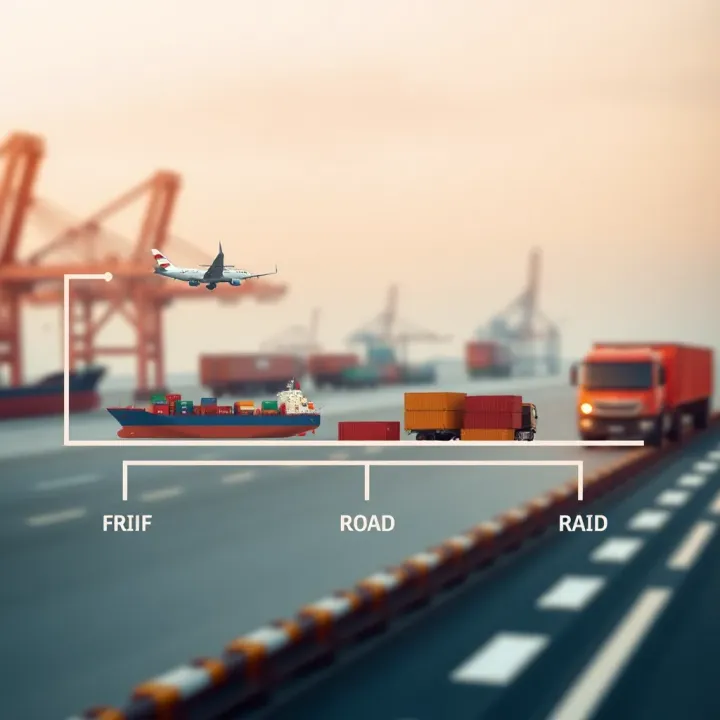
Choosing between sea, air, and road freight depends on product type, urgency, and budget. Sea freight suits heavy and bulk goods like chemicals or metals, but transit times can stretch to weeks. Air freight is faster and better for perishables, electronics, or fashion apparel, though costlier. Road freight works well for neighbouring countries like Nepal or Bangladesh with overland connections. Assessing delivery timelines against shipping costs helps decide the best option to meet customer expectations and maintain margins.
Packaging and customs clearance deserve close attention in exports. Proper packaging protects goods during long transit and meets foreign market standards, which might differ widely. For example, fragile ceramic items need cushioning and sturdy crates, while food items require tamper-proof seals. At customs, thorough documentation and accurate declarations streamline clearance. Delays due to improper paperwork or non-compliance with foreign import rules can lead to demurrage charges and strained client relations.
Smart exporters treat logistics and regulations as core parts of their business strategy, not just operational tasks.
Incorporating these practical considerations ensures Indian exporters stay competitive globally, avoid costly pitfalls, and build reliable international trade relationships.
Explore Quotex trading platform🌐 made simple for Indian users🇮🇳. Learn features, setup, risks & benefits to trade smartly online📈💡

Explore Qutoex📚: Understand its origins, uses, challenges, and impact today. Get a detailed, practical guide to Qutoex for every context.
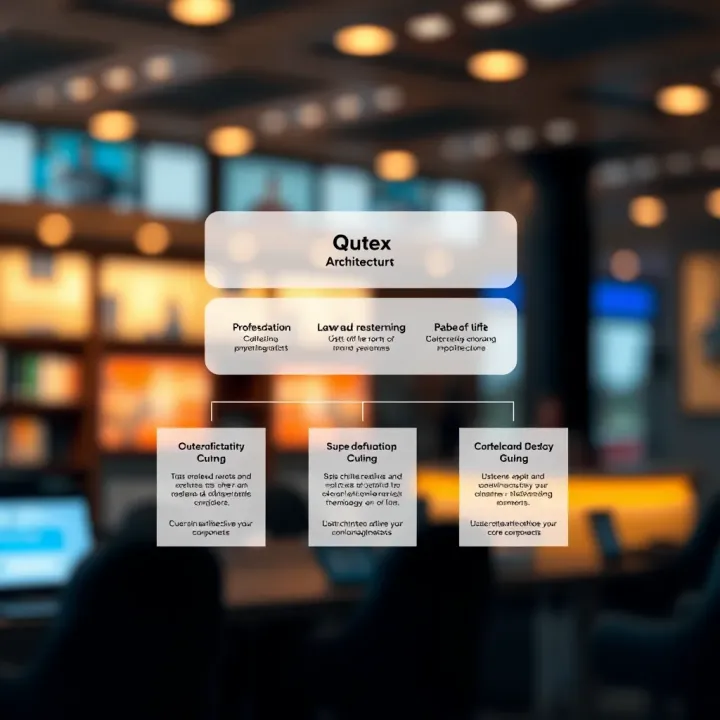
Explore Qutex's key features, uses, and future potential in India’s tech scene. Gain insights into its benefits, limits, and role in modern innovation 💡📱.
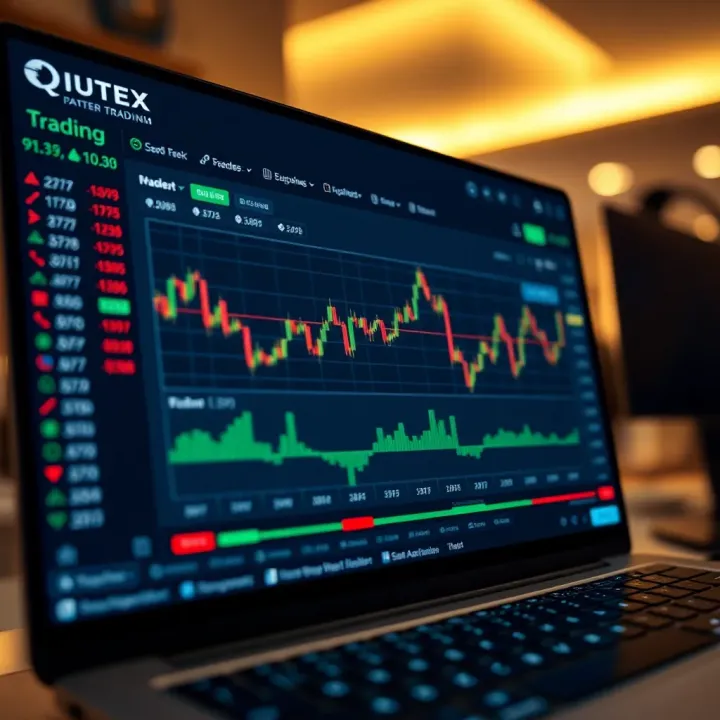
Explore Qutex Trading platform features, fees, and security 🔒 to help Indian traders make informed choices 🇮🇳. Compare brokers and get tips for success.
Based on 13 reviews