

Choosing the Best Trading App for India
Find the best trading app for Indian investors 📱. Learn key features, top apps, safety tips, SEBI guidelines, and smart strategies to boost your returns ₹.
Edited By
James Whitmore
Choosing the right online trading app in India is no small task. With a vast array of platforms available—each claiming to be the best—it is easy to feel overwhelmed. Whether you are a seasoned investor or just starting out, the app you pick will significantly influence your trading experience.
When hunting for the best app, consider factors beyond just flashy interfaces or celebrity endorsements. Security stands as the foremost concern. Your money and personal information must be safeguarded by strong encryption, two-factor authentication, and compliance with regulations by bodies such as the Securities and Exchange Board of India (SEBI).

User experience matters too. An intuitively designed app can help you execute trades quickly, monitor your portfolio effectively, and access real-time market data without frustrating delays. For example, apps like Zerodha Kite and Upstox offer easy navigation and lightning-fast order placements, which appeal to active traders.
Fee structures can vary widely across platforms. Some charge flat brokerage fees, while others use a percentage-based system. Brokers like Angel One provide zero brokerage on equity delivery trades, which suits investors planning long-term holdings, whereas traders seeking frequent intraday transactions might opt for cost-efficient per-trade charges.
Regulatory compliance ensures your investments remain safe amidst market uncertainties. Verify if the app is affiliated with registered brokers and adheres to KYC (Know Your Customer) norms, GST provisions, and other RBI guidelines to avoid any legal hassles.
Always prioritise apps offering transparent charges, prompt customer support, and seamless integration with popular Indian payment systems such as UPI or net banking.
In the following sections, we will break down the essential features, compare popular platforms, and share tips to help you maximise the value from your chosen trading app. Selecting wisely today can pave the way for smarter, confident investments tomorrow.
When choosing an online trading app in India, certain features stand out as essential. These not only improve your trading experience but also protect your investment and time. Knowing what to look for helps in picking a platform that aligns with your trading style and goals.
Simple navigation for beginners is crucial because many first-time investors find the stock market intimidating. A clean layout with easy-to-understand menus allows new traders to place orders without confusion. For instance, apps like Zerodha Kite use minimalistic designs that show key options clearly, so beginners spend less time fumbling and more on actual trading.
Compatibility with mobile and desktop broadens your access. Many traders start on mobiles for convenience but often prefer desktops for detailed analysis. An app that offers seamless syncing between devices means you can switch easily—from checking quick price updates on the go to fine-tuning a trade from your laptop at home.
Customisable dashboards let you organise views to suit your preferences. You might want to track certain stocks, indices, or sectors at a glance. Dashboards that can be arranged and filtered reduce clutter and make spotting opportunities faster—especially important when markets move swiftly.
Live stock quotes and charts are the backbone of active trading. Once you see real-time prices updated instantly, you avoid making decisions based on outdated data. For example, Upstox offers live charts with candlestick patterns and intraday price movements essential for timing your entries and exits.
Access to market news and analysis within the app helps you understand why prices are moving. Whether it’s corporate earnings, RBI policy changes, or global trends, staying informed equips you to respond better. Apps like Angel Broking provide curated news feeds and expert commentary, helping investors connect the dots quickly.
Technical and fundamental indicators give deeper insight beyond surface prices. Features like RSI (Relative Strength Index) or P/E (Price to Earnings) ratios help traders and investors gauge market momentum or company valuation. These tools, built into the app, save you from bouncing between multiple websites or software.
Variety of order options (limit, market, stop-loss) ensures you can manage trades precisely. A limit order lets you buy or sell at a desired price, preventing unwanted surprises. Stop-loss orders protect your capital by automatically closing a position if the price moves against you. Having these options on the app itself, like on 5Paisa, means greater control without waiting on broker intervention.
Support for multiple asset classes allows trading in stocks, derivatives, mutual funds, or commodities all via one platform. This flexibility helps diversify portfolios without juggling several apps. For example, HDFC Securities offers trading across equities and mutual funds seamlessly, making portfolio management simpler.
Quick execution speed is vital because even seconds can make a difference in volatile markets. An app that processes orders fast, without lags, helps you seize profitable moments. Low-latency platforms like Zerodha ensure orders hit the market immediately, which matters especially for intraday and high-frequency traders.
The right trading app balances ease of use, timely data, and trading options. Focusing on these features helps you pick one fitting your trading style and Indian market needs.
Choosing a reliable online trading app depends heavily on robust security and adherence to regulatory standards. For traders and investors in India, these factors not only safeguard your funds but also ensure a fair trading environment. The Securities and Exchange Board of India (SEBI) plays a major role in regulating trading platforms, making compliance vital for any trustworthy app.
Encryption and secure login options protect sensitive user information from being accessed by unauthorised parties. In practical terms, this means your account credentials and transaction data are encoded when sent over the internet, reducing risks of interception by hackers. Apps like Zerodha and Upstox use Secure Socket Layer (SSL) encryption to keep data safe during transactions.
Two-factor authentication (2FA) adds an extra layer of security by requiring users to verify their identity through more than just a password. Typically, after entering a password, you'll receive an OTP (one-time password) on your registered mobile number or email. This reduces the chance of unauthorised access, especially if your password is compromised.
When using trading apps, paying attention to privacy policies relevant to Indian users is crucial. These policies explain how your personal data is collected, stored, and shared. Indian regulations now require apps to disclose their data handling practices clearly, giving you transparency and control over your information. Always choose platforms that do not sell your data to third parties without consent.
SEBI registration and licences are mandatory for all trading platforms operating in India. This ensures the platform follows the prescribed rules regarding operational transparency, security protocols, and investor rights. Before signing up, verify that the app is registered with SEBI — this safeguards against fraudulent platforms.
Investor grievance redressal mechanisms ensure you have recourse if you face issues like transaction disputes or unfair charges. Reputed trading apps provide dedicated customer support, along with formal complaint procedures recognised by SEBI. For example, platforms often include a grievance officer whose contact details are made easily accessible.
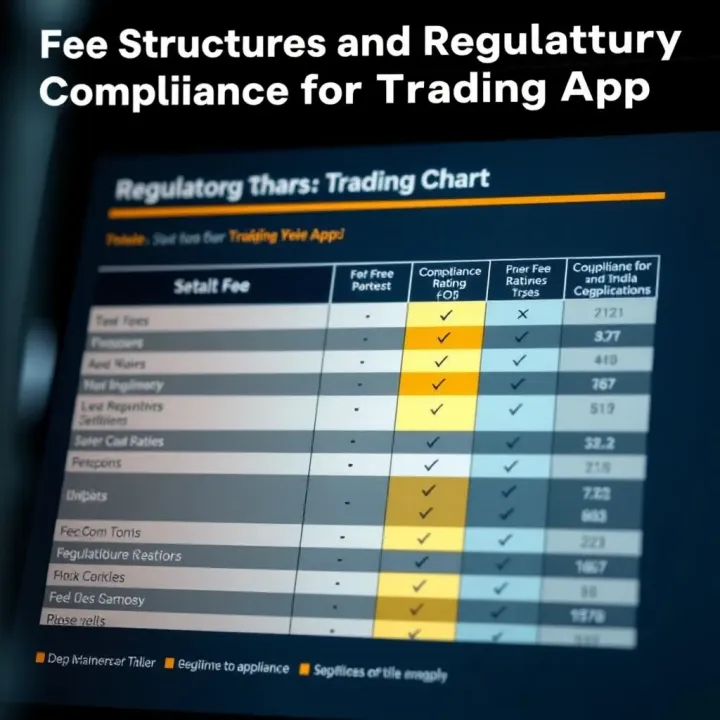
Lastly, transparency in transactions builds trust between the app and its users. This means providing clear information on trade confirmations, charges, and account statements without hidden fees. Reliable apps show all costs upfront and update you real-time when trades execute, helping you make informed decisions without surprises.
Investing through a secure and SEBI-compliant trading app not only protects your capital but also makes your trading smoother and more confident.
In summary, prioritise apps that combine strong data protection with full regulatory compliance. This protects you within India's legal framework and helps you trade with peace of mind.
Understanding the cost and fee structures of online trading apps is key before committing to any platform. Every rupee you pay eats into your returns, so knowing how brokerage, account charges, and hidden fees work helps you choose an app that suits your trading style and budget.
Some trading platforms charge a flat brokerage fee per trade, often around ₹20 to ₹30 regardless of trade size. This works well for traders who deal in large volumes, as paying a fixed price can save money compared to percentage fees. For example, Zerodha charges a flat fee of ₹20 or 0.03% per executed order (whichever is lower).
On the other hand, certain brokers calculate charges as a fixed percentage of the trade value, commonly between 0.05% to 0.50%. This can be cost-effective for small trades but becomes expensive as trade size grows. Traders should evaluate their average trade size to decide which model benefits them.
The rise of discount brokers in India has introduced zero-commission trading for equities, where you pay no brokerage on delivery trades. Apps like Groww and Upstox offer free equity delivery trades but charge fees on intraday and derivatives trades.
Free trading appeals to casual investors or beginners who hold stocks long term, avoiding unnecessary transaction costs. Still, users must verify how the apps recover costs through other charges or tie-ups.
Some apps may lure you with attractive brokerage but apply extra fees elsewhere. Watch for:
Platform usage fees: Monthly or annual charges to use the app or access premium features.
Transaction charges: Fees for order modification or cancellation.
GST and Securities Transaction Tax (STT): These are compulsory but sellers may include them as separate line items, adding to the final cost.
Careful review of the fee schedule and user feedback helps avoid surprises that can erode profits.
Holding securities electronically involves a Dematerialised (Demat) account, and brokers typically levy annual maintenance charges (AMC) on these. AMC can be anywhere from ₹300 to ₹900 per annum depending on the provider and services offered.
If you trade frequently, some brokers waive AMC or bundle it within package plans. It's wise to check this charge, especially for small investors, as it reduces net gains.
Traders opting for assisted services through call and trade facilities pay extra fees per transaction. Such charges range from ₹50 to ₹150 per call depending on the broker.
While convenient for those less comfortable with apps or urgent orders, these charges can add up quickly. Most online traders prefer app-based execution to avoid call fees.
Some platforms charge penalties if you don't place orders or maintain minimum balances over a certain period (usually 6-12 months). This fee might be small, around ₹100–₹200, but can discourage infrequent traders from keeping accounts dormant.
Before opening a trading account, confirm the inactivity policy. If you trade occasionally, choose platforms that do not penalise inactivity.
Understanding these cost elements helps you pick a trading app that matches your trading habits, avoiding unnecessary charges and maximising returns. Always read the fine print and clarify fees to escape hidden costs.
Choosing the right online trading app can greatly influence your investment outcomes. In a market crowded with options, comparing platforms on features, costs, and usability helps you pick an app that fits your trading style. Knowing how apps differ in brokerage models, asset classes, and customer experience gives you a clearer edge.
Zerodha popularised the discount brokerage model in India, charging a flat fee of ₹20 per trade irrespective of trade size. This appeals especially to frequent traders and those dealing in larger volumes, as it helps keep costs predictable and low compared to percentage-based commissions. While you save on brokerage, Zerodha doesn’t compromise on essential services, making it a cost-efficient choice.
Zerodha supports equity, commodities, mutual funds, and derivatives trading. Its Kite platform is known for robust charting tools and lightning-fast trade execution. For investors, Zerodha’s integration with Coin offers direct mutual fund investments without commissions. The mix suits both active traders and passive investors who want consolidated access through one app.
Zerodha's customer support is mostly digital with email and chat channels. While generally responsive, some users find phone support less accessible during peak hours. The extensive online knowledge base and community forums help address common queries, but personalised assistance might feel limited if you need quick solutions beyond usual concerns.
Upstox offers a user-friendly mobile app designed for smooth navigation across account management, research, and order placement. The clean interface appeals to traders who rely heavily on smartphones, with features like watchlists and price alerts easily customisable. For beginners, the app’s layout reduces friction in getting started and tracking markets.
Upstox uses a discount broker pricing model, with flat fees and zero brokerage on equity delivery trades. Furthermore, it offers attractive margin benefits, letting traders leverage higher buying power during intraday and F&O trades. This can amplify gains, but users should be cautious as it also increases risk.
Upstox invests in investor education through in-app tutorials, webinars, and blogs tailored for Indian markets. These resources demystify complex concepts like derivatives trading or technical indicators, helping freshers and intermediate traders improve their skills and make informed decisions.
Angel Broking blends discount brokerage with personalised advisory services. The app provides seamless trading across equity, currencies, and mutual funds, combined with AI-driven investment advice. This hybrid approach suits traders wanting automated insights alongside cost-effective trades.
Known for simplicity and low costs, 5Paisa charges a flat ₹10 brokerage per order. It offers quick account opening and access to equity, mutual funds, and insurance products. For investors seeking budget-friendly options with basic features, 5Paisa is a practical pick.
HDFC Securities caters to clients looking for a trusted brand with extensive banking integration. While its brokerage fees tend to be higher than discount brokers, it offers a comprehensive platform with research reports, IPO access, and customer support ideal for conservative investors valuing reliability.
Comparing these apps helps balance your priorities—whether it’s low fees, app usability, margin benefits, or support quality—to find a platform that suits your trading routine and financial goals.
Knowing how to get the best out of your online trading app can make a big difference to your investment success. Apps provide more than just a platform for buying or selling stocks—they come packed with tools and features that, if used smartly, enhance decision-making and control over your trades.
Using app tools for timing trades is vital in markets that can swing quickly. Many apps offer charts with intraday movements, historical data, and technical indicators like RSI (Relative Strength Index) or moving averages. These help you spot trends and decide when to enter or exit. For example, if the RSI suggests a stock is oversold, it might be a chance to buy before prices rise. Using such app features helps avoid trading on gut feeling alone.
Risk management features within trading apps are designed to protect your funds. Stop-loss orders, for instance, let you set a price at which your stock is sold automatically, limiting losses. Apps may also provide tools to calculate your portfolio's overall exposure to particular sectors or stocks, letting you balance risks. Consider the case of an investor who diversifies across FMCG, IT, and banking sectors using app insights; this reduces exposure if one sector underperforms.
Setting up alerts and notifications keeps you tied to market movements without constant monitoring. You can receive real-time alerts when stocks reach target prices, or if there's unusual volume activity. These notifications prompt timely action; for example, selling a share that suddenly dips by 5%, helping you avoid bigger losses. Well-tuned alerts save time and keep you effective in a fast market.
Following SEBI updates via apps ensures you're aware of any changes in trading regulations, compliance requirements, or investor protection measures. SEBI often releases circulars or policy updates impacting how markets function. Some trading platforms integrate these updates within their app or send notifications, helping active investors avoid penalties or sudden surprises.
Leveraging market news feeds embedded in apps brings current events, corporate announcements, and economic data directly into your fingertips. Timely news influences market sentiment and stock prices, so having instant access can help align your trades with unfolding realities. For instance, a sudden RBI interest rate cut news might affect banking stocks; apps with news feeds allow quick responses.
Educational content within the app empowers users by enhancing their grasp of trading concepts, strategies, and best practices. Many Indian trading apps feature webinars, tutorials, and articles tailored to different expertise levels. A beginner learning about systematic investment plans (SIP) or tax-saving avenues through an app is better poised to build a balanced portfolio over time. Continuous learning through these resources sharpens investment acumen.
Using your trading app’s full features—timing tools, risk controls, alerts, regulatory updates, news, and education—can sharpen your investment skills and protect capital. Trading smartly is not just about transactions but understanding the backdrop and managing your trades intelligently.
By blending these practical tips with disciplined trading, investors in India can turn online platforms from mere transactional tools into growth enablers.
Find the best trading app for Indian investors 📱. Learn key features, top apps, safety tips, SEBI guidelines, and smart strategies to boost your returns ₹.
📱 Discover how to select an easy trading app in India with secure features, low fees, and reliable support. Start trading confidently in stock & commodity markets today!
Learn forex online trading in India 🇮🇳—understand the market, factors affecting prices, risk management, legal rules, and picking the best platform for investors.
Explore QXBroker.com trading app📱: features, device compatibility, secure deposits, withdrawals💰, user-friendly design & helpful support in India🇮🇳.
Based on 9 reviews