

Forex Gold Rates for Indian Traders: Trends & Insights
Explore forex gold rates, their global and Indian influences, plus tips for Indian traders to track trends and trade gold confidently in foreign exchange markets 📈💰.
Edited By
Sophie Bennett
Knowing when to trade forex is as important as knowing how to trade. Currency markets operate 24 hours a day, but not all hours offer the same opportunities. For Indian traders, understanding the interplay of global market sessions and their overlaps helps pinpoint the most profitable trading windows.
The forex market centres around four major trading sessions: Sydney, Tokyo, London, and New York. Each session has distinct characteristics influenced by regional economic activities and liquidity levels. For example, the London session usually sees high volatility because it overlaps with both the Tokyo and New York sessions during certain hours.
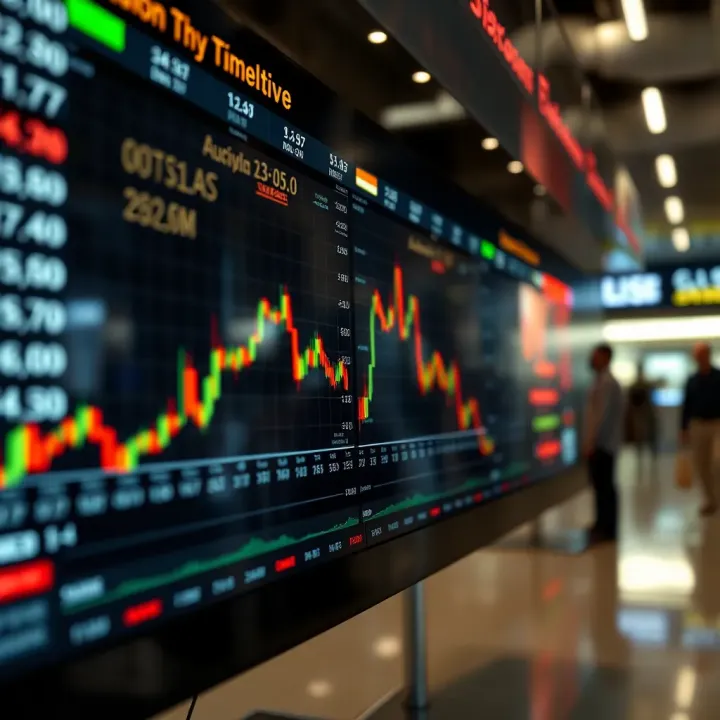
From India's perspective, aligning your trades with these sessions means working with Indian Standard Time (IST). The London market opens approximately at 3:30 pm IST and closes at 12:30 am IST, while the New York session runs from 8:30 pm IST to 5:00 am IST. These sessions often bring increased activity and greater price swings, creating opportunities for traders looking for volatility.
Trading during session overlaps—such as when London and New York markets operate simultaneously—often yields the highest liquidity and the sharpest price movements.
Practical timing is key. For instance, trading EUR/USD or GBP/USD during London-New York overlaps (8:30 pm to 12:30 am IST) can provide better spreads and more predictable price trends. Conversely, quieter periods like between 5:30 am and 8:30 am IST, corresponding to the Sydney-Tokyo overlap, might offer fewer opportunities.
Indian traders should also consider key economic events—including RBI policy announcements or US non-farm payroll reports—that can cause sudden spikes in volatility, irrespective of market hours. Combining knowledge of market timings with awareness of such events enhances risk management and profit potential.
In short, trading forex effectively from India demands understanding session schedules, actively monitoring market overlaps, and staying updated on economic calendars. By keeping these factors in mind, traders can fine-tune strategies and make well-timed decisions in the fast-moving currency market.
Forex market runs 24 hours but offers varied volatility throughout the day.
London and New York sessions (3:30 pm to 5:00 am IST) are the most active periods.
Session overlaps often bring better liquidity and sharper price moves.
Align your trading hours with IST timings of global sessions for optimal results.
Monitor economic events that influence currency prices beyond just session timings.
This foundation sets the stage to explore detailed session guides and practical tips tailored for Indian traders in the following sections.
Knowing forex market hours is essential for Indian traders because the forex market operates 24 hours a day across different time zones. Understanding when major markets open and close helps traders pick the right moments to enter or exit trades and manage risk effectively. For instance, volatility and liquidity peak during certain sessions, offering better trading opportunities.
Forex trading runs non-stop because it involves multiple financial centres around the world that open and close at different times. Unlike stock markets that shut after daily sessions, forex markets keep rolling as one major session ends and another begins. This continuous cycle ensures traders in India can access currency markets at almost any hour, accommodating various work schedules.
Time zones drastically influence trading activity and volatility. When the London session kicks off in the afternoon IST, markets tend to see fresh volume and price moves. Conversely, the Tokyo session's activity occurs during India’s early morning hours, which might suit traders who prefer morning trades. Aligning your trading hours with these zones can yield more active and liquid markets to trade.
The Tokyo session runs roughly from 7:30 am to 4:30 pm IST. It’s the first major session of the trading day, typically marked by calmer market movement compared to others. Currency pairs like USD/JPY and AUD/USD see greater activity here. Indian traders who prefer a quieter market or want to catch Asian economic news often focus on this session.
London is the biggest forex centre, with its session from about 12:30 pm to 9:30 pm IST. This session usually has the highest liquidity and volatility due to active participation from banks and hedge funds. Major currency pairs such as EUR/USD and GBP/USD often experience significant price swings now. Traders in India often plan their day around this session to tap into more volatile conditions.
The New York session overlaps partially with London, running from 6:30 pm to 3:30 am IST. This session introduces fresh volatility and market trends, influenced by US economic news releases like Non-Farm Payroll data. Indian traders active late in the evening can leverage this session to trade USD pairs when volumes spike.
Understanding forex market hours and session characteristics equips Indian traders to pick the right timing for trades, improving the chances of executing orders in liquid, volatile markets where price moves are sharper and opportunities more frequent.
Understanding forex market hours in Indian Standard Time (IST) is key for anyone trading from India. Since the forex market operates globally, knowing how different sessions align with your local time helps you plan trades more effectively and catch the best opportunities.
Global forex market sessions run consecutively—from the Asian session in Tokyo, through the European in London, up to the North American in New York. Converting these session timings to IST makes it easier for Indian traders to schedule their activities. For instance, the Tokyo session typically starts at 6:30 am IST and runs until around 3:30 pm IST, while the London session opens at 12:30 pm IST and closes about 9:30 pm IST.
Active trading times for Indian traders usually fall during the London and New York sessions, given their overlap and the higher liquidity during these hours. Many traders find trading between 12:30 pm and 5:00 pm IST useful, as it covers the London market opening and coincides with the start of New York session, increasing price movements and trading volume.
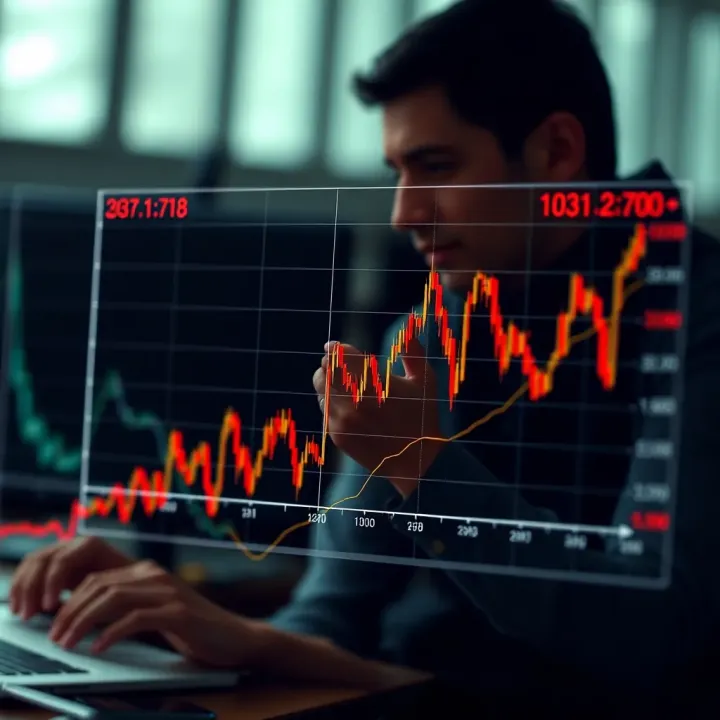
The London-New York overlap happens from around 6:30 pm to 9:30 pm IST, making it the most volatile and liquid period in forex. Currency pairs involving USD and GBP often see significant price shifts during these hours. For example, the GBP/USD pair might show sudden moves triggered by market orders from both locations simultaneously.
Though shorter and less active than the London-New York overlap, the Tokyo-London overlap occurs around 12:30 pm to 3:30 pm IST. Here, Asian currencies like the Japanese Yen (JPY) interact heavily with European currencies such as the Euro (EUR), offering good chances to trade pairs like EUR/JPY with decent movement.
Overlapping sessions combine market activities from two geographic areas, increasing liquidity and volatility. This means more frequent price swings, tighter spreads, and better chances to enter or exit trades. Indian traders can leverage these overlaps to find setups with improved trade execution and profit potential. However, higher volatility also raises risk, so careful trade management is essential.
For example, a trader focusing on GBP/USD might monitor the London-New York overlap for breakouts, while someone trading JPY pairs could focus on the Tokyo-London overlap to catch early trending moves.
By aligning your trading hours with these active periods in IST, you can tap into the best forex market conditions, enhancing both your strategy and profitability.
Volatility in forex trading signals how much price swings within a given period. Understanding when volatility peaks helps traders plan entry and exit points, manage risks, and spot potential profit windows. For Indian traders, knowing these times is vital since forex markets do not operate uniformly worldwide.
High volatility creates opportunities but also higher risk. So, recognising when market movements intensify—especially around key session openings and closings—can improve your trading effectiveness. Below, we explore specific moments known for increased activity and how currency pairs behave during these phases.
The London session start marks an important shift in trading momentum. Opening around 2:30 pm IST, this session taps into the deep liquidity of European markets. The London opening often triggers sharp moves, especially in GBP and EUR pairs like GBP/USD and EUR/USD, due to fresh orders flooding in after the overnight Asian session.
This burst of activity happens because traders react to news released during Asian hours, repositioning themselves for the European day’s trends. The result is sudden price swings offering Indian traders good chances for short-term trades if they time entries carefully. However, this period can also bring sudden reversals, so it requires alertness and strict risk controls.
Late in the New York session—around 11:30 pm IST—volatility tends to spike again just before the market closes. This happens as American traders finalise positions before the day ends, leading to increased volume and price movements.
Currencies like USD pairs and cross pairs involving CAD or MXN can show greater fluctuations. For Indian traders, this time can be useful for closing day trades or setting stop losses, but entering new positions might carry more risk due to unpredictable swings as liquidity tapers off.
The Asian market runs roughly from 4:30 am to 12:30 pm IST. During this period, currency pairs linked to Asia see fairly steady movement, but volatility can spike around major economic updates from Japan, Australia, or China.
Pairs like USD/JPY, AUD/USD, and NZD/USD are highly responsive. For instance, when the Bank of Japan announces policy changes early morning IST, the USD/JPY pair can show sharp price jumps. Indian traders focusing on these pairs can find calmer trading compared to European sessions, but must keep an eye on scheduled news.
European and US sessions bring the highest action, especially with pairs involving EUR, GBP, and USD. EUR/USD and GBP/USD often see the largest swings, especially during overlaps between London and New York hours.
Indian traders can capitalise on this volatility window, roughly from 5:30 pm to 10:00 pm IST, to take positions based on market momentum. However, they should remember that big price moves can be sudden and quick, so technical tools like stop-loss orders are essential to manage risk.
Volatility peaks offer Golden opportunities, but they demand sharper focus and quicker decision-making from traders. Knowing these patterns helps Indian forex participants plan trades that match their risk appetite and time availability.
Trading forex successfully requires adapting to more than just session timings. Several factors influence the ideal time for trading, especially for Indian traders who must balance global dynamics with local conditions. Understanding these factors can help you time your trades better and manage risks more effectively.
RBI announcements such as changes in repo rate, monetary policy statements, or inflation updates heavily impact the Indian rupee (INR) pairs. Traders often expect increased volatility around these events. For example, if the RBI cuts the repo rate unexpectedly, the INR might weaken, creating short-term trading opportunities. Indian traders should mark scheduled RBI releases and avoid entering positions just before announcements unless prepared for sharp swings.
The US Non-Farm Payroll (NFP) data release is a major driver for forex markets globally. Since the US dollar (USD) features in most currency pairs, NFP figures can cause drastic price movements, particularly during the New York session. For Indian traders, NFP releases occur late night or early morning IST, so being aware of this timing allows avoidance of unwanted surprises or positioning to take advantage of volatility.
Besides RBI and NFP data, indicators like GDP releases, inflation rates (CPI/WPI in India and abroad), trade balance figures, and central bank speeches influence forex prices. For instance, a better-than-expected Indian GDP growth report often strengthens the rupee. Traders should keep an economic calendar handy and use alerts on platforms like Investing.com or Moneycontrol to prepare for these events and adjust trading strategies accordingly.
Market activity tends to be subdued on Mondays and Fridays. Mondays may have lower liquidity due to participants returning after the weekend, and Fridays often see traders closing positions ahead of the weekend. Tuesdays to Thursdays usually provide more consistent volatility and better trading opportunities. Indian traders may find midweek sessions best suited for active trading.
Certain months or periods in the year tend to show predictable changes in volatility. For example, the forex market often trends lower in summer months (June to August) due to holidays in the US and Europe, reducing trading volumes. Conversely, year-end and the start of financial years can spike activity as institutions rebalance portfolios. Awareness of these seasonal trends helps traders adjust position sizes and risk exposure.
Aligning your trades with economic events, weekday trends, and seasonal shifts gives you an edge. This timing awareness can protect you from unexpected volatility and help capitalise on active market phases.
Track RBI and global economic events to anticipate market moves
Avoid trading during low liquidity days like Mondays and Fridays
Account for seasonal volume changes while planning trades
Understanding these factors alongside forex session timings offers Indian traders a practical framework to optimise their trading hours and improve results.
Practical tips are vital for Indian forex traders aiming to align their strategies with the global forex market's dynamic nature. Understanding how to pick trading hours, manage work commitments, and use technology effectively can make a difference between steady gains and missed opportunities.
Day trading requires focusing on short-term price movements, often within hours, sometimes minutes. Indian traders practising day trading should target the most volatile market hours, like the London-New York overlap (7:30 pm to 12:30 am IST). This window offers higher liquidity and sharper price swings, which can support quick entry and exit points. For example, a trader watching GBP/USD during this period may find better chances for profit due to increased market activity.
Swing traders, on the other hand, hold positions for several days to weeks. They tend to focus less on specific market openings and more on broader trends. Swing trading suits Indian traders who cannot monitor the markets constantly due to daytime work or other commitments. These traders can set alerts and enter positions aligned with weekly or monthly economic events, such as RBI policy reviews or US Federal Reserve announcements, to minimise time spent glued to screens.
Most Indian traders have day jobs, making it crucial to pick trading hours that do not clash with work. The Asian session (3:30 pm to 12:30 am IST) and the early part of the European session (12:30 pm to 8 pm IST) allow traders to monitor markets after office hours. For instance, focusing on the late Tokyo or early London sessions fits well with a 9-to-5 job, providing a practical compromise between market opportunity and personal time.
Weekends are closed in forex, but the late evening hours on weekdays, especially during session overlaps, can demand attention. Thus, Indian traders should balance high-volatility sessions with their lifestyle, using swing trading or automated strategies if continuous monitoring is not feasible.
Mobile trading apps have become essential tools for Indian forex traders. They provide real-time charts and notifications about session changes, helping traders spot when volatility is expected to rise. Apps like MetaTrader, Zerodha Kite, or Upstox enable quick access to forex pairs and session timings directly on mobile devices.
Since Indian Standard Time (IST) differs from global market times, these apps often allow customisation of alerts based on IST, enabling traders to avoid manual conversions. This feature helps in timely execution of trades, particularly around market open and close hours.
Economic announcements often move forex markets significantly. Indian traders benefit from setting alerts for major economic data releases, such as RBI rate decisions, US Non-Farm Payroll figures, or CPI inflation reports. Platforms like Investing.com or Forex Factory offer calendar alerts that can notify traders minutes before announcements.
Timely alerts allow traders to either close positions before high-risk periods or prepare for volatile swings. This preparedness is crucial in avoiding unexpected losses or capturing swift opportunities without needing to watch the markets constantly.
For Indian traders, syncing trading habits with both global market rhythms and personal schedules is key. Combining this with smart tech tools enhances chances of consistent success.
By carefully choosing trading hours and using mobile technology, Indian forex traders can make their efforts more effective without sacrificing work or personal life.
Explore forex gold rates, their global and Indian influences, plus tips for Indian traders to track trends and trade gold confidently in foreign exchange markets 📈💰.
Explore how forex contests let Indian traders test skills, compete for prizes ₹, manage risks wisely, and boost earnings with expert tips and types 📈💰
Learn how forex demo accounts let Indian traders practise currency trading risk-free 💹. Discover benefits, selection tips, and strategies suited to India’s market.

🚀 Comparing Exness & OctaFX for Indian traders: regulation, accounts, platforms, fees, support & fund safety to help you choose the best forex broker in India.
Based on 7 reviews