

Forex Trading Kaise Sikhe: Beginners Guide
Learn forex trading in India with this practical guide 📈. Get step-by-step tips on accounts, market analysis, risk management, and avoid common pitfalls easily.
Edited By
Henry Mitchell
Trading offers a way to grow wealth, but many hesitate due to concerns about cost and risk. The good news is you don't have to pay a single rupee to start learning the ropes of trading in India. This guide focuses on how beginners can understand trading basics, use free educational tools, and practice with zero financial risk before putting real money on the line.
The first step is to gain a clear grasp of fundamental concepts like stocks, futures, derivatives, and the functioning of Indian exchanges such as NSE and BSE. Free platforms like NSE’s investor education portal, Zerodha Varsity, and educational content on YouTube channels dedicated to Indian markets provide reliable, cost-free ways to absorb these basics.
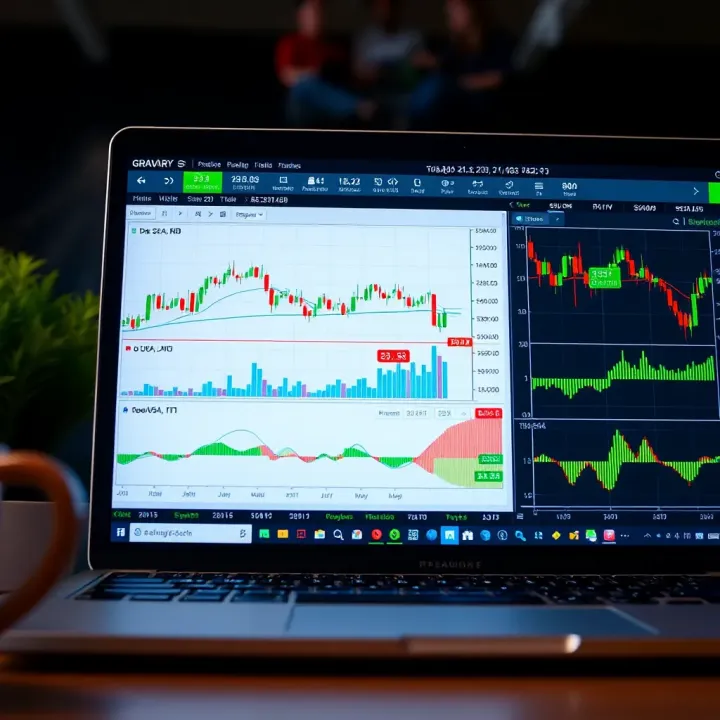
Starting small and practising without risk is wise: simulators mimic real-market conditions and help build confidence. Apps like Kite by Zerodha offer demo accounts where you can execute simulated trades based on live prices and test strategies without losing money.
Exploring these simulators helps you understand order types, price movements, and timing—a critical skill set before trading with actual funds. Taking notes and tracking your mock trades hones decision-making aligned with market behaviour.
Besides technical understanding, learning about market psychology and risk management forms the backbone of responsible trading. Free webinars and podcasts by Indian experts often discuss how emotions influence trading decisions and explain risk-control measures like stop-loss orders.
To sum up, learning trading for free in India involves three key actions:
Study foundational concepts through reputable free courses and resources
Use simulators for hands-on experience without financial exposure
Absorb behavioural and risk management lessons from expert-driven content
This practical approach prepares you to trade confidently and cautiously when ready to invest real money. It’s a process demanding time, focus, and discipline but requires no upfront monetary cost to begin.
Grasping the fundamentals of trading is the foundation for anyone aiming to enter financial markets confidently. Without understanding the key concepts, terms, and instruments used, beginners can easily get overwhelmed or fall into costly mistakes. This section clarifies what trading involves, how it is different from investing, and introduces some common terms and instruments specific to Indian markets.
Trading refers to the act of buying and selling financial assets like stocks, commodities, currencies, or derivatives with the intention of making a profit over a short or medium term. There are different types of trading such as day trading, where positions are opened and closed within the same day, and swing trading, which spans a few days to weeks. Understanding these types helps traders decide what style suits their schedule, risk appetite, and capital.
The practical relevance is that not all trading suits every individual, so recognising your preferred approach early can save time and reduce hasty losses. For example, a professional working in Mumbai might prefer swing trading to avoid monitoring prices constantly.
Trading differs from investing mainly in time horizon and strategy. While investors typically buy assets aiming to hold them for years, benefiting from company growth or dividends, traders seek to capitalise on price movements within shorter periods. This difference affects how you approach analysis, decision-making, and risk management.
The Indian market offers various assets for trading. Equities (stocks) are the most common and represent ownership in companies listed on exchanges like BSE (Bombay Stock Exchange) and NSE (National Stock Exchange). Besides stocks, derivatives such as futures and options allow traders to speculate on price movements without owning the underlying asset.
Other instruments include commodities like gold, silver, crude oil, and currency pairs like INR vs USD. Choosing the right instrument depends on your knowledge, capital, and risk preference. For instance, trading in the Nifty futures contract requires understanding index movements and margin requirements, which may differ from trading individual stocks.
A market order executes immediately at the current market price, ensuring quick entry or exit but without price certainty. In contrast, a limit order sets a specific price for buying or selling, providing control over the trade price but not guaranteeing execution if the price doesn’t reach that level.
For example, if you place a market buy order for Reliance Industries shares at ₹2,500, you get the shares right away. However, a limit buy order at ₹2,400 will only execute if the share price drops to or below ₹2,400.
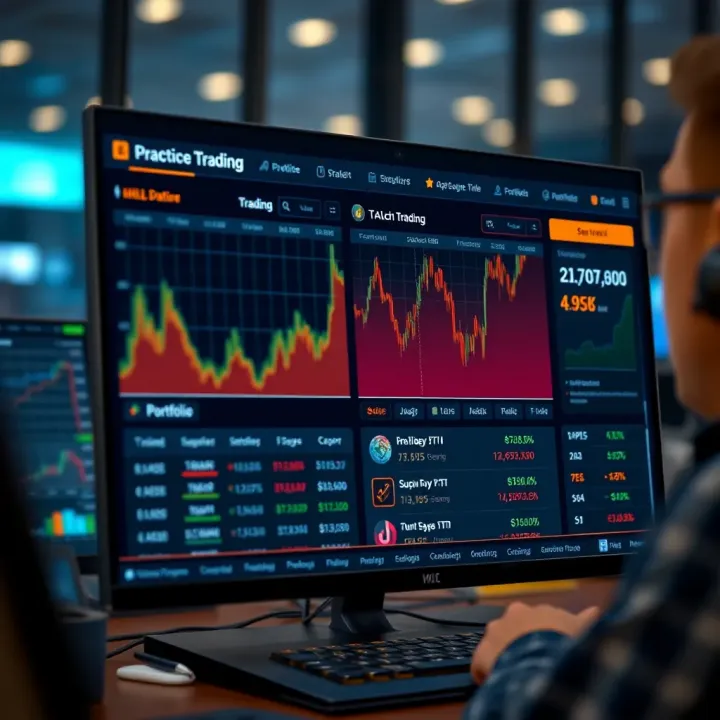
Bullish trend means prices are generally rising, reflecting optimism among traders, while bearish trend indicates falling prices and negative market sentiment. Recognising these trends helps traders decide when to enter or exit trades. For instance, buying during a bullish phase of the Infosys stock could be more rewarding than attempting to catch a falling knife in a bearish phase.
Volume shows how many shares or contracts changed hands during a trading session. High volume often signals strong interest and confirms price moves. Liquidity refers to how easily you can buy or sell an asset without impacting its price significantly.
A stock like Tata Consultancy Services (TCS) typically has high volume and liquidity, allowing traders to enter and exit positions swiftly. In contrast, low-liquidity stocks might be harder to trade and can have volatile price swings.
Knowing these basic concepts enables you to make informed decisions, avoid unnecessary risks, and build confidence as you start your trading journey.
Accessing trustworthy and free educational resources is vital for anyone starting to learn trading. With abundant information available online, distinguishing between credible sources and misleading content is essential. Reliable resources save time, build a solid foundation, and help you avoid common trading pitfalls.
Websites with beginner-friendly tutorials provide structured lessons that simplify complex trading concepts. Platforms like Zerodha Varsity and Moneycontrol offer country-specific content, which is especially helpful for Indian traders. These websites break down topics such as technical analysis, charting, and market mechanics through easy-to-understand articles and interactive visuals.
YouTube channels and webinars focused on Indian markets can be great for visual learners. Channels like NSE India’s official page or Elearnmarkets offer webinars and video series covering everything from basics to advanced strategies. Watching live market analysis and recorded tutorials helps beginners grasp nuances unique to Indian exchanges such as NSE and BSE.
Government-supported portals and SEBI resources provide authentic and regulation-aligned information. SEBI’s website features investor education materials, regulatory updates, and guidelines that every trader should know. Additionally, initiatives like the Investor Education and Protection Fund (IEPF) portal offer insights on market practices to safeguard investors’ interests.
Recommended free eBooks and PDFs are a great way to study trading concepts at your own pace. Indian platforms and public domain sources provide downloadable content that covers topics from fundamental analysis to behavioural finance. For example, RBI and SEBI sometimes publish reports and guides that offer dependable insights relevant to Indian markets.
Blogs and newsletters by credible Indian traders serve as ongoing learning tools. Writers who actively participate in markets, such as Rakesh Jhunjhunwala’s commentary platforms or Prashanth Tapse’s newsletters, share practical experiences and market observations not found in textbooks. Subscribing to such sources keeps you updated on trends and sharpens your market understanding.
Before you start trading with real money, investing time in trusted free resources ensures your decisions stand on solid knowledge and awareness of Indian market dynamics.
This approach helps build confidence while minimising costly mistakes early on. Combining online lessons, government guidance, and expert writings gives beginners the best chance to learn trading effectively and responsibly.
Trading simulators and demo accounts let you trade virtual money in environments that closely mimic live markets. This hands-on experience helps beginners get a feel for trading mechanics without risking actual capital. For someone starting to learn trading in India, using such tools bridges the gap between theory and practice, making complex market concepts easier to grasp.
Demo trading allows you to place buy and sell orders using virtual funds supplied by the platform. This means you can experiment with different stocks, commodities, or currencies without worrying about losing real money. For example, platforms like Zerodha’s Kite offer a virtual trading facility where beginners can practise executing orders, managing positions, and tracking profits or losses — all without real financial stress.
This risk-free environment is a major advantage. New traders often face psychological pressure when real money is involved, and demo trading removes this barrier. You can focus purely on learning how markets move and how trading orders work, which builds confidence for when you finally enter live trading.
What separates demo trading from just reading about the market is its dynamic nature. Demo accounts use real-time price data, so your trades react exactly as they would in the live market. This means you can test technical indicators, chart patterns, or simple buy-and-hold approaches under realistic conditions.
For instance, if you want to check how moving average crossover strategies perform on NSE stocks, demo trading allows immediate application. You can fine-tune your approach by observing outcomes, without facing losses. This practical testing saves time and potential capital during your learning curve.
Several Indian brokerages provide free demo accounts as part of their service to attract new customers and train them. Zerodha Kite and Upstox Pro are examples where you can access virtual trading with no expiry on usage. These simulators replicate live market orders, order books, and real-time charts, providing a comprehensive learning experience.
Using these platforms is beneficial because they incorporate India-specific trading rules, taxes, and product availability. It familiarises learners with exact conditions they'll face once they start real trading, unlike generic simulators that might use international markets.
For convenience, mobile apps like Moneybhai by Moneycontrol and NSE’s own demo app offer virtual trading on phones. These apps let you practise trading on the go, track your performance, and keep up with market news simultaneously.
Such mobile simulators often have user-friendly interfaces tailored for beginners. They help improve speed and decision-making skills, allowing you to trade anywhere and anytime. This mobile access suits India’s growing base of traders who rely on smartphones rather than desktops for market participation.
Demo trading is an indispensable step in learning trading — it sharpens your skills while protecting your capital and prepares you for confident investing in live markets.
For anyone starting out in trading, grasping basic strategies and tips can make a noticeable difference. It helps you avoid costly mistakes and builds confidence to trade wisely. Simple techniques grounded in practical use can guide you in navigating the market without overwhelming complexity.
Understanding technical analysis basics involves studying price charts and patterns to predict future price movements. For example, traders often look at support and resistance levels—prices where stocks tend to bounce back or face hurdles. Recognising these points helps you decide when to buy or sell. Tools like moving averages smoothen price data and indicate trends, which can be crucial for timing your trades.
Technical analysis matters because it reflects the market's collective behaviour and psychology at any moment. For instance, if Nifty consistently bounces off 18,000 points, many traders see this as a support level, buying near there. Learning to read such patterns equips you to act based on market signals rather than guesses.
Introduction to fundamental analysis for stocks means evaluating a company's financial health to assess if its shares are worth buying. You check indicators like earnings, debt, and cash flow from quarterly results or annual reports. For example, Tata Steel’s rising net profit and reduced debt over multiple quarters may signal a solid investment opportunity.
Fundamental analysis fits longer-term trading strategies. If a company has strong fundamentals, its stock price usually reflects that over time despite short-term fluctuations. Understanding this helps you pick stocks that are likely to grow steadily instead of chasing quick but risky gains.
Setting stop-loss and profit targets is about managing losses and locking in gains without second-guessing. A stop-loss order automatically sells a stock if it falls to a certain price, limiting your downside. Say you bought Reliance Industries at ₹2,000, you could place a stop-loss at ₹1,900 to avoid heavy losses if the price suddenly drops.
Likewise, a profit target sets the price at which you plan to exit after a gain—this stops greed from pushing you to hold on for unrealistic profits. Clear stop-loss and profit plans prevent emotional decisions and keep your trading disciplined.
Avoiding emotional trading decisions means sticking to your plan even when markets get volatile or news triggers fear or greed. Impulsive trades often lead to losses, as emotions override logic. For example, panic selling after a day of big losses can lock in losses unnecessarily.
The key is developing a mindset where you act based on your analysis and rules, not momentary feelings. Journalling your trades and reviewing them regularly can build this discipline and help you spot emotional patterns in your behaviour.
Discipline in trading isn’t just about following rules—it’s about controlling impulses, managing risk, and continually learning from market moves.
Applying these basics sets a strong foundation. Alongside free resources and practice, they help you trade with measured confidence rather than guesswork or luck.
Learn forex trading in India with this practical guide 📈. Get step-by-step tips on accounts, market analysis, risk management, and avoid common pitfalls easily.

📈 Interested in forex trading? Learn how to start with trusted brokers, master trading platforms, manage risks, and build winning strategies tailored for Indian traders

Discover how forex academies in India teach currency trading skills through practical formats, helping you trade confidently in volatile markets 📈💡

Find the best trading app for Indian investors 📱. Learn key features, top apps, safety tips, SEBI guidelines, and smart strategies to boost your returns ₹.
Based on 7 reviews