

Demo Accounts for Stock Trading in India
📈 Learn how demo accounts in India let you practise stock trading with virtual money risk-free, understand their benefits, open one easily, and trade smartly.
Edited By
Amelia Foster
Choosing the right tablet makes a big difference when you are actively trading stocks in India. With volatile markets and rapid price changes, every second counts. A tablet that runs trading apps smoothly and stays connected to the internet consistently can help you seize the best opportunities without lag or downtime.
For traders, investors, advisors, fintech professionals, and analysts, performance and reliability matter most. Tablets today come with varying processor speeds, RAM, screen sizes, and connectivity options, affecting user experience during fast-paced market hours.
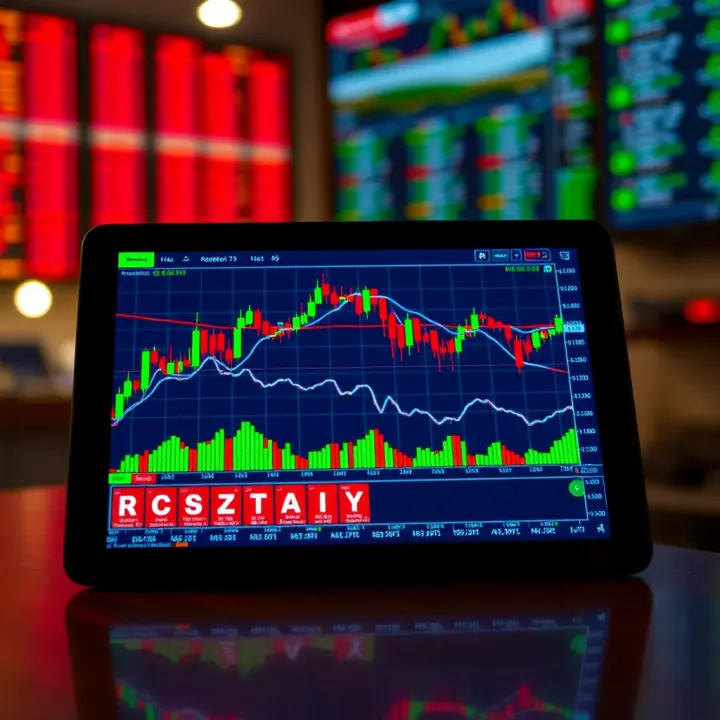
A tablet's ability to support popular Indian trading apps like Zerodha Kite, Upstox, Angel One, and Groww is critical for seamless market updates, order placement, and portfolio management.
There are a few key factors to consider:
Processor & RAM: Fast processors like the Apple A14 Bionic or Snapdragon 870 ensure apps load quickly and multitask efficiently. Aim for at least 4GB RAM to avoid freezes during multiple app use.
Display Quality: Clear, bright screens with accurate colours help monitor charts and indicators easily. Tablets around 10 inches or more deliver better visibility without straining your eyes.
Connectivity: Trading requires constant internet access. Wifi-only models can be problematic if you travel or face unstable connections. Tablets with 4G LTE or 5G SIM support offer more freedom.
Battery Life: Stock trading can last for hours. Look for tablets that last at least 8 hours under moderate use to avoid unexpected shutdowns.
Operating System Compatibility: Most trading platforms work smoothly on Android and iOS, but some fintech tools may be optimised better for one OS.
Portability & Build: Lightweight tablets with durable build quality are easier to carry around and withstand daily use.
By keeping these essentials in mind, you can choose a tablet that fits your trading style, budget, and environment. The next sections will highlight some top tablets available in India that combine these features effectively.
Picking the right tablet is more than just looking at brand or price. For stock trading, your device needs to keep up with fast-moving markets, display detailed charts clearly, and stay powered through long trading hours. You want a tablet that not only runs your trading apps smoothly but also fits your trading style and daily routine.
When it comes to trading apps, the processor is your tablet’s engine. A modern, multi-core processor like Apple’s A14 Bionic or Qualcomm’s Snapdragon 8 series makes a real difference. These handle live data feeds and complex charting tools without lag. Imagine tracking stocks across multiple apps or switching from analysis to live market updates—you don’t want to wait for your screen to catch up.
RAM also plays a vital role. At least 4GB RAM is essential for multitasking between trading platforms, news apps, and alerts. Traders often keep several apps open, so more RAM, such as 6GB or 8GB, ensures smooth transitions and avoids frustrating crashes during critical moments.
A clear, sufficiently large screen helps in analysing charts and spotting trends. A tablet with a 10-inch to 12.9-inch screen strikes a balance between portability and viewing comfort. Smaller screens make it tedious to view detailed graphs, while overly large tablets lose on ease of use.
Resolution and colour accuracy matter too. A Full HD (1920x1080) display or better is a must for sharp visuals and clear texts. Colour accuracy affects how you interpret charts; a tablet that shows true colours can highlight bullish or bearish trends more precisely. This is especially helpful for traders relying on colour-coded indicators.
Trading can stretch across hours, sometimes beyond regular market timings. A tablet offering battery life of 8 hours or more ensures you won't be hunting for a charger mid-session. For example, tablets like the iPad Air or Samsung Galaxy Tab S7 provide enough juice for extended trading days.
Portability is equally important. A lightweight tablet, preferably under 500 grams, offers comfort for traders who like to move around or work from cafés and co-working spaces. Heavy and bulky devices can tire your hands and disrupt focus during intense trading moments.
Internet connectivity is the backbone of stock trading. While Wi-Fi tablets suffice if you have reliable broadband at home or office, LTE or 5G-enabled tablets stand out for active traders on the go. Real-time market updates without dependency on hotspots or public networks can be crucial.
Lastly, USB and Bluetooth support widen your accessory options. Many traders use external keyboards for faster input or connect Bluetooth headphones for news and market podcasts. Tablets supporting USB-C ports for wired peripherals add flexibility, especially in setups requiring multiple devices.
Choosing a tablet with the right mix of performance, display, battery, and connectivity not only smoothens your trading experience but can also influence the speed and quality of your decision-making on the market floor.
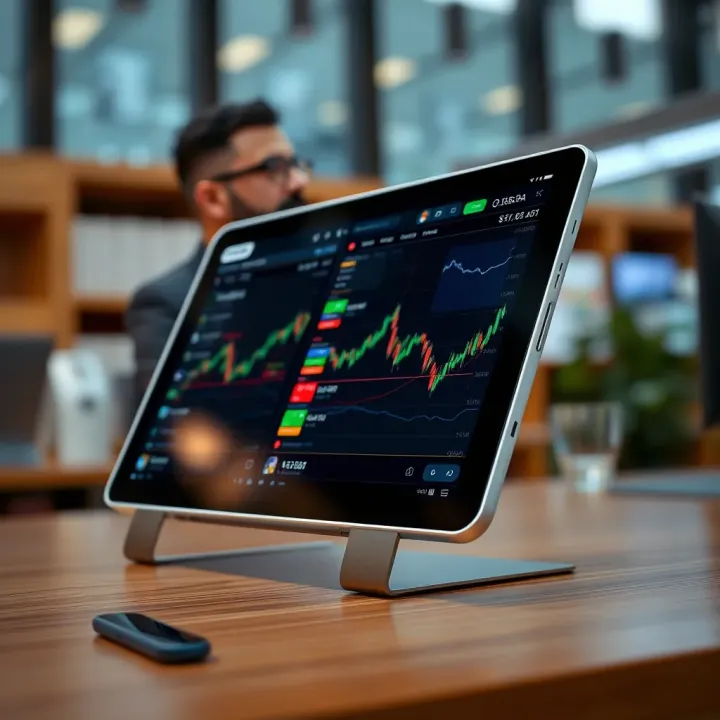
Active stock traders need tablets that not only run smoothly but also safeguard their sensitive data and integrate well with trading platforms. When you’re monitoring fluctuating markets in real-time, every small advantage counts. Key features such as strong security protocols, app compatibility, and flexible storage options make the difference between a seamless trading day and frustrating interruptions.
Biometric locks—like fingerprint scanners and facial recognition—offer quick yet secure access to your tablet. These features protect against unauthorised use, especially if you trade on the move or in public places. For instance, a fingerprint sensor allows you to unlock your device instantly when sudden market moves require fast action, without fumbling for passwords.
Secure boot and data encryption add another layer of defence. Secure boot ensures your tablet only runs trusted software, preventing malicious apps from sneaking in during startup. Meanwhile, encryption scrambles sensitive trading data stored on your tablet, making it unreadable if the device gets stolen or hacked. This is crucial for traders who store confidential financial information or transaction records locally.
India's stock trading ecosystem revolves around apps like Zerodha Kite, Upstox, Angel Broking, and Groww. These require tablets that can run smoothly on popular operating systems and handle updates and notifications without lag. Most of these apps are optimised for Android and iOS, but Windows tablets can support desktop-grade trading platforms if specialised software is needed.
Choosing the right operating system impacts usability and access to features. Android tablets offer flexibility with a wide range of apps and multitasking capabilities, whereas iPads provide a faster, more secure environment with iPadOS optimised specifically for apps like Moneycontrol and ET Markets. Windows tablets, like Microsoft Surface, enable running full desktop versions of trading software such as MetaTrader or Amibroker, particularly useful for advanced traders.
Internal storage capacity and speed matter because trading apps often cache large amounts of real-time data. Tablets with at least 64GB of fast storage help you avoid slowdowns during critical moments. A tablet that supports faster UFS storage, for example, ensures quicker app launches and smoother multitasking when multiple charts and news feeds run simultaneously.
Expandable storage through microSD cards offers flexibility to traders who also save videos, PDFs of market analyses, or offline reports. While many budget tablets provide microSD slots, premium devices like iPads skip this feature, so you must plan accordingly. For traders juggling vast datasets or keeping backups locally, having this expandability helps maintain an organised workflow without worrying about constant data transfers.
Security, app compatibility, and storage flexibility form the backbone of an efficient trading tablet. Ignoring these may not disrupt casual use but can become hurdles in active trading where time and data integrity are non-negotiable.
For anyone serious about stock trading, the choice of tablet can make a significant difference. A good tablet offers the right mix of speed, display clarity, portability, and app compatibility, ensuring you don’t miss critical market moves. In India, options range from premium devices to budget-friendly models, each serving different trader needs and budgets. Understanding the strengths of these tablets helps in picking the right one for active trading.
The Apple iPad Pro and iPad Air stand out as excellent choices for traders due to their powerful processors (like the M2 chip in the latest Pro) and smooth multitasking capabilities. These models handle multiple trading apps simultaneously without lag. For example, you can keep the NSE app, a news feed, and a charting tool open all at once without the device slowing down.
The iPadOS operating system is optimised for performance and stability, crucial for real-time data updates in stock trading. It supports multitasking features such as split-screen and Picture-in-Picture, letting you watch market videos while monitoring your portfolio. Moreover, iPadOS often receives timely updates, ensuring enhanced security and better compatibility with apps like Zerodha Kite and Upstox.
Samsung’s Galaxy Tab S8 and S7 FE are among the top Android tablets suitable for traders in India. They offer robust Exynos or Snapdragon processors paired with ample RAM (6GB or more), giving traders smooth navigation across multiple apps like Angel One and Moneycontrol’s mobile versions. The wide availability of Android trading apps means flexibility in choosing what suits your style.
Samsung tablets shine with their AMOLED or TFT displays offering vibrant colours and high resolutions, important when analysing complex stock charts and graphs. Plus, features like Samsung DeX mode allow a desktop-like environment, great for traders who prefer working with a keyboard and multiple windows. This makes juggling market research and trade execution efficient on a single device.
Microsoft Surface tablets, particularly the Surface Pro 9, bring the full Windows experience, letting you run desktop trading platforms like MetaTrader 5 or ICICI Direct’s WebTrader without compromise. This is ideal if you’re used to Windows software and need full program functionality rather than limitations of mobile apps.
Surface tablets also make it easy to switch between a tablet and laptop form factor with detachable keyboards. For traders who travel or move between meetings, this combo offers portability with productivity. The lightweight design doesn’t add much to your bag’s weight while offering essential physical keyboard input for speedy order entry.
For those who want reliable trading without spending too much, brands like Lenovo and Samsung offer budget tablets with decent specifications. Models like the Lenovo Tab P11 or Samsung Galaxy Tab A8 handle popular trading apps well, suitable for beginners and casual traders. These devices balance display quality and battery life, enabling you to monitor markets over extended periods.
Of course, budget devices might lack ultra-smooth multitasking or the brightest display, which can matter during long trading sessions or in bright daylight. They often come with less RAM and slower processors, so loading multiple apps or high-frequency trading tools could show delays. Still, for many Indian traders, the lower cost with functional performance makes them practical entry points into mobile trading.
Choosing the right tablet depends on your trading style, budget, and app preferences. Premium tablets bring unmatched speed and features but budget options ensure no trader misses out on market access.
Setting up your tablet properly makes a big difference in how smoothly you can trade stocks. Having the right apps, stable internet connection, and secure data backup helps avoid costly disruptions. Traders need a setup that’s reliable, fast, and secure to stay ahead in the fast-moving market.
Choosing apps that suit Indian market conditions is critical. Popular stock market apps like Zerodha's Kite, Groww, and Upstox offer real-time quotes, seamless order placement, and portfolio tracking. These apps are built to handle heavy trading volumes and provide instant alerts, helping traders react quickly to market changes.
Charting and news apps complement trading by giving deeper market insights. Tools like Investing.com and Moneycontrol provide live charts, technical indicators, and breaking financial news. Using these alongside trading apps offers a broader view of market trends, so you can make informed decisions rather than just reacting to price movements.
Traders often face the choice between mobile hotspots and broadband Wi-Fi. Mobile hotspots powered by 4G/5G networks offer fantastic mobility and are useful for those moving between locations. However, broadband Wi-Fi tends to provide steadier speeds and lower latency, which is crucial when executing high-frequency trades where every split second counts.
Monitoring your network’s stability lets you avoid unpleasant surprises like unexpected disconnections during trades. Using apps like NetMonitor or Speedtest can help you keep an eye on signal strength and bandwidth. Consider setting alerts for when connections drop below certain levels so you can switch to backup options without delay.
Cloud storage services such as Google Drive, OneDrive, or Indian-specific options like DigiLocker are handy for saving trade records and reports. These platforms ensure your data is accessible from any device and protected against hardware failures, which is essential if you trade across multiple devices or locations.
Regular backups guard you against data loss, and encryption keeps sensitive financial information safe from unauthorized access. Automate backups daily if possible, and use apps that offer end-to-end encryption. Remember, safeguarding your data isn’t just prudent—it’s necessary for maintaining trust and complying with data protection norms.
Proper tablet setup isn’t about complicated tools but selecting the right apps, staying connected reliably, and securing your data. This groundwork can save you from costly mistakes and improve your trading confidence.
📈 Learn how demo accounts in India let you practise stock trading with virtual money risk-free, understand their benefits, open one easily, and trade smartly.

📱 Find the best mobile for trading in India with fast performance, long battery life, and smooth apps. Tips and top models to enhance your trading game! 📈

📱 Find the best online trading app in India! Compare features, security, fees & compliance to boost your investments confidently and trade smartly. 📈

Find the best trading app for Indian investors 📱. Learn key features, top apps, safety tips, SEBI guidelines, and smart strategies to boost your returns ₹.
Based on 14 reviews