

Demo Accounts for Stock Trading in India
📈 Learn how demo accounts in India let you practise stock trading with virtual money risk-free, understand their benefits, open one easily, and trade smartly.
Edited By
Henry Collins
Options trading can be quite tricky for beginners in India because it involves predicting price movements within a limited time frame. Unlike buying stocks, options come with complex terms like strike price, expiry date, and premium. That’s why practising without risking real money is critical before diving into actual trades.
A demo account offers just that—a simulated environment where you can trade options using virtual funds. This lets you explore various strategies without the fear of losing actual money. Indian brokers like Zerodha, Upstox, and Angel Broking provide demo accounts on their platforms, making it easier for you to gain experience seamlessly.
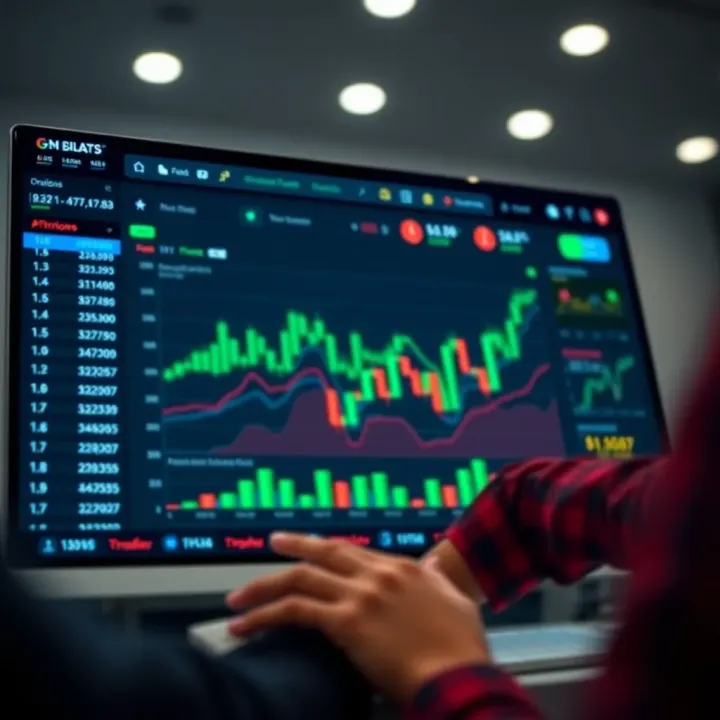
Using a demo account helps you:
Understand how options pricing works in real-time
Test strategies such as buying calls, puts, or writing options
Get familiar with trading interfaces and order types
Learn risk management without financial pressure
Practising on a demo account is not just for freshers. Even experienced traders benefit from testing new strategies risk-free before going live.
Keep in mind, demo accounts mimic real market conditions but sometimes lack the emotional pressure of real-money trading. Also, certain features like margin limits or slippage might not always be perfectly replicated.
For Indian investors, also consider regulatory aspects. The Securities and Exchange Board of India (SEBI) oversees options trading, so choose platforms registered with SEBI for safety and compliance.
Overall, demo accounts form a vital stepping stone for anyone looking to trade options confidently and smartly in India’s dynamic stock markets.
A demo account in options trading provides a simulated platform where investors can practise trading without risking real money. For Indian investors, this is particularly useful as options trading carries substantial risk, and understanding the mechanics before committing capital is crucial. Demo accounts replicate real market conditions closely, allowing you to learn how options work while testing strategies in a safe environment.
A demo account offers a virtual setup that mimics actual market activities. Here, traders use real-time data feeds, experience order executions, and navigate trading platforms as they would with live funds, but all trades are conducted with virtual money. This environment helps new investors get accustomed to the interface and functionalities of popular Indian brokers like Zerodha or Upstox, which offer options trading.
For instance, you can practice placing call and put options, observe how option premiums fluctuate during market hours, and familiarise yourself with expiry cycles. This hands-on feel is invaluable since the complexity of options often confuses beginners. The simulated environment ensures no financial pressures while you get a realistic taste of market conditions.
The main appeal of demo accounts lies in the ability to experiment with various strategies without financial consequences. Indian investors can try covered calls, protective puts, or spreads to understand potential gains and losses. For example, you might simulate a bull call spread during an earnings season to see how the strategy performs without risking ₹10,000 of your savings.
By practising with virtual funds, you discover how option Greeks like delta and theta impact pricing and how to adjust your positions accordingly. This learning phase is critical since mistakes in real trading can cost you heavily.
Unlike live accounts, demo accounts operate with virtual capital. This means the profits or losses you see are purely theoretical and don’t affect your actual bank balance. The virtual fund is typically generous and resets after exhaustion, allowing ongoing practice.
This setup encourages risk-taking and testing unconventional trades you might hesitate to attempt with real money. That said, treating the virtual funds casually may lead to unrealistic habits if you don’t simulate the discipline needed in live trading.
Perhaps the biggest difference is the complete elimination of financial risk. Since no actual money is at stake, demo accounts allow you to engage with options trading without stress. This absence of risk helps you focus on understanding market behaviour, timing trades, and mastering platform tools.
However, this also means demo trading lacks the psychological pressure of live trading. The emotional response you get when your ₹50,000 real investment moves sharply cannot be replicated with virtual money, which investors should keep in mind before switching to live trading.
Practising with a demo account bridges the gap between theoretical knowledge and practical trading skills, but recognising its limits, especially in emotional readiness, ensures a smoother transition to live markets.

Demo accounts offer a practical, risk-free setup to hone your options trading skills. For Indian investors, the ability to experiment without risking real money builds confidence and understanding — essential before stepping into live trading.
Building confidence is often the first benefit traders notice with demo accounts. Since you use virtual funds, every trade you execute is free from financial impact. This helps new traders stay calm while learning complex options strategies, avoiding the stress that real losses bring. For example, a fresher trying iron condor strategies can understand the trade dynamics without worrying about losing ₹10,000 overnight.
Testing diverse strategies is another key advantage. Demo accounts let you try spreads, straddles, and other combinations without pressure. You might discover that a bull call spread suits your market view better than naked calls, but figuring this out in a live account can be costly. In the demo space, you can take your time, evaluating each approach’s strengths and weaknesses amidst different market movements.
Navigating order types is crucial when trading options. Many Indian platforms like Upstox, Zerodha, or ICICI Direct offer complex orders such as bracket orders and cover orders. A demo account lets you place, modify, or cancel these order types until you’re comfortable. This familiarity prevents costly errors when trading with real capital.
Using analytics and charting tools helps make informed trading decisions. Platforms provide nifty tools—like the technical indicators or Greeks calculators—to gauge option pricing and expected returns. Practising with these tools on a demo account allows you to interpret data and spot entry or exit points clearly. This experience is invaluable for building a disciplined trading routine.
Option pricing basics can seem intimidating at first. Demo accounts simulate real-time market scenarios, showing how intrinsic and extrinsic values affect option premiums. For instance, watching how a call option’s price changes as the underlying stock moves provides practical learning beyond textbook theory.
Impact of volatility and time decay is crucial in options trading. A demo account demonstrates how rising volatility can increase an option's premium or how theta (time decay) gradually erodes its value near expiry. Seeing these effects in action helps you grasp the importance of timing your trades and managing risk efficiently.
Practising on a demo account bridges the gap between theory and real-market action, equipping you with the skills and insights needed to navigate options trading confidently.
Indian investors should leverage these demo advantages to reduce rookie mistakes and develop sound strategies before moving to live trading.
Demo accounts help beginners get a hang of options trading without risking real money. However, they come with certain limitations that traders need to understand before fully relying on them. While virtual trading can sharpen your skills, it cannot perfectly mimic live market conditions or the emotional pressures faced in real trading. Recognising these gaps will prepare you better when you move to actual investing.
Trading with virtual money often dulls the emotional intensity. In a demo, losses don't sting as much because no real capital is at stake. This lack of anxiety means traders may take risks they wouldn't dare with their own money. For example, an investor might repeatedly enter and exit option positions without concern about actual losses, leading to behaviour not sustainable in live markets.
The psychological pressure in real trading—fear, greed, and stress—strongly impacts decision-making. It influences how quickly you exit losing trades or take profits. Demo accounts don't simulate this emotional weight, so your decision-making skills under stress might not develop fully.
When it's not your money on the line, the mindset shifts significantly. You might treat demo trades as experiments or games, testing risky strategies without considering consequences. In reality, every rupee matters, and this restraint influences how you manage trades.
A practical impact is that traders transitioning from demo to live often find themselves less disciplined. For instance, they might increase position sizes too hastily or ignore risk management because virtual losses didn’t hurt earlier. Building a real money mindset requires intentional practice and mindset adjustment beyond demo simulation.
Demo accounts often lack the exact market execution experience. In live options trading, orders might get delayed, partially filled, or executed at prices different from those seen on the screen, especially in volatile markets. Demo platforms typically execute trades instantly at listed prices, which is not always realistic.
This can mislead traders into thinking that order placement and execution are straightforward. For example, during big events like RBI announcements, liquidity dries up and bid-ask spreads widen, causing slippage. Demo accounts generally do not replicate such market frictions, so traders miss out on learning how to handle them.
Liquidity affects options pricing and trade execution, but demos usually ignore these constraints. Real markets may have illiquid options contracts, where executing large orders at a fair price isn’t simple. This can result in forced partial fills or waiting longer for better pricing.
In India, less popular strikes or expiry dates may have thin liquidity. Demo accounts let you trade any volume instantly, creating an unrealistic impression of market depth. Experienced traders understand liquidity impact, but beginners relying solely on demos might get caught off-guard when real trades stall or prices jump sharply due to low activity.
While demo accounts provide a safe practice ground, appreciating their limitations helps Indian investors prepare for the real trading world. Combining demo practice with awareness of emotional and market factors makes your transition smoother and more confident.
A demo account acts as a safe playground for new traders in India to get hands-on experience with options trading without risking money. Knowing how to open and use one effectively can transform your learning curve and build real skills before going live. This section walks through practical steps and key considerations tailored for the Indian market.
Several popular Indian brokers, like Zerodha, Upstox, and Angel Broking, offer demo accounts specifically designed for options trading. These platforms mimic the live trading environment closely, giving access to tools and features found in real accounts. For example, Zerodha’s 'Kite' platform allows practice trading with virtual funds and includes options chain data, while Angel Broking offers a paper trading app with interactive charting.
When selecting a broker, check for features that matter to options traders, such as a user-friendly interface, real-time market data, and availability of different order types like limit or stop orders. It’s useful if the platform supports both NSE and BSE options, since Indian traders often look for the best liquidity and price opportunities. Also, platforms offering decent analytics and risk management tools help understand the impact of volatility or time decay.
Opening a demo account generally requires a straightforward registration process, often just needing a valid email or mobile number. Unlike live trading accounts, the paperwork and KYC (Know Your Customer) requirements are usually minimal or none, which lets you start practising almost immediately.
Most brokers allocate a fixed amount of virtual funds—say around ₹10 lakh—in your demo account. This amount should be treated as your trading capital for practising strategies. You can experiment with buying or selling options contracts using this virtual money, which replicates real market movements but without any financial consequences. Adjust your virtual portfolio to suit learning goals, whether it’s conservative hedging or aggressive speculative trades.
It’s tempting to treat demo trading lightly since no real money is involved, but to really gain from it, approach the demo account with the seriousness of live trading. Place trades based on analysis, use stop-loss orders, and stick to position sizes as you would with actual capital. This habit builds discipline and prepares you emotionally for live markets.
Tracking your progress is just as crucial. Maintain a trading journal to record your trade details, reasons for entry or exit, and lessons learned. Periodically review your strategy’s performance and tweak it to reduce mistakes. For example, if you repeatedly ignore time decay risks, adapting strategies to factor this in can improve future decisions. This reflective process helps bridge the gap between theory and practice effectively.
Using a demo account wisely is less about winning every trade and more about developing a solid foundation and confidence to handle real market complexities.
This approach especially benefits Indian investors navigating the diverse and volatile options market, setting the stage for more informed and measured live trading.
Moving from a demo account to live options trading is a significant step for any investor. It involves shifting from a risk-free, virtual trading environment to real markets where your capital is at stake. This transition is critical because it tests how well your strategies and risk management techniques hold up when real money and emotions are involved.
Evaluating strategy performance plays a key role before entering live trading. It's not enough to have consistent returns in demo mode; you must see if your strategies work across different market conditions and timeframes. For instance, if a short straddle strategy performed well over a month of demo trades but struggled during sudden volatility spikes, you need to revisit its parameters. Backtesting with historical Indian market data, combined with ongoing demo results, can give you a clearer picture of robustness.
Next, understanding risk management is essential. In demos, losses do not affect your portfolio, but in live trading, every decision impacts your financial health. You should be comfortable with position sizes relative to your capital and prepared to handle drawdowns without panic. Practical awareness of risk-reward ratios and hedging options like protective puts can improve your readiness.
Starting with small capital helps you ease into live trading without exposing yourself to major losses. Imagine you open a live account with ₹50,000 instead of ₹5 lakh; this allows you to learn live execution, emotional control, and platform quirks with manageable risk. Many Indian brokers support incremental funding, making it easier to scale your trades as confidence grows.
Using stop-loss and position sizing is indispensable to control losses and protect your capital. Suppose you allocate ₹10,000 per option trade and set a stop-loss at 5%, ensuring you lose only ₹500 if the market moves against you. Similarly, position sizing helps you avoid concentration risk by spreading your investments across multiple positions or expiry dates. Regularly reviewing and adjusting these parameters prevents unexpected blowups.
Overtrading is a frequent mistake for new traders switching from demo to live. The thrill of real money can push you to trade too frequently or take unnecessary risks. For example, after a successful win, some traders rush into the market without proper research, which often leads to losses. Develop a disciplined plan with clear entry and exit criteria to prevent this.
Ignoring emotional factors can sabotage even well-planned strategies. Real money trading brings stress, fear, and greed, which rarely appear during demo sessions. It’s common to hesitate on profitable exits or double down on losing positions. Keeping a trading journal and practising mindfulness can help you maintain rational decision-making.
Transitioning smoothly requires combining tested strategies with sound risk controls and emotional discipline. Taking it step-by-step safeguards your capital and builds resilience for long-term success.
📈 Learn how demo accounts in India let you practise stock trading with virtual money risk-free, understand their benefits, open one easily, and trade smartly.

Learn how a forex demo account lets you practise trading without risk, test strategies, understand market behaviour, and choose the best platform for your needs 📈💰

📈 Understand demo share trading in India—practice stock buying and selling risk-free. Get tips, benefits, and start confidently before entering real markets. 💹
Learn how demo trading accounts help Indian traders practise without risk ⭐️ Explore their features, benefits & tips to switch confidently to live markets 💹
Based on 11 reviews