

Demo Accounts for Stock Trading in India
📈 Learn how demo accounts in India let you practise stock trading with virtual money risk-free, understand their benefits, open one easily, and trade smartly.
Edited By
William Graham
Demo share trading is a practice tool that lets investors buy and sell shares without risking actual money. It mirrors real stock market conditions, using virtual funds to help investors get a feel for trading dynamics before stepping into live markets. For Indian investors, this practice is especially valuable, given the complexity of stock exchanges like NSE (National Stock Exchange) and BSE (Bombay Stock Exchange).
Using a demo account, you can experiment with different strategies, understand how orders work, and learn about market behaviour in a risk-free environment. Brokers such as Zerodha's 'Kite' and Upstox offer demo platforms tailored for Indian markets. These are designed to simulate real market situations including price fluctuations and order executions.

For beginners and even experienced traders, demo trading serves as a rehearsal ground where mistakes do not cost you real money but teach valuable lessons.
Virtual funds, usually ranging from ₹1,00,000 to ₹10 lakh, to place buy and sell orders
Real-time or delayed market data depending on the broker
Access to various order types like limit orders, stop loss, and market orders
For instance, you could test the impact of placing a stop-loss order during volatile market conditions without worrying about losing money. Likewise, practising systematic investment strategies can help you grasp how market timing affects returns.
Understanding demo trading's role is important because it bridges the gap between theoretical knowledge and practical experience. It reduces the apprehension of entering the stock market, helping you build confidence gradually. Plus, it can be a proving ground to sharpen skills before investing your hard-earned money.
Overall, demo share trading is a practical first step for Indian investors aiming to navigate the market more prudently, whether you are trying your hand at intra-day trading or long-term equity investments.
Demo share trading refers to a practice environment where investors can buy and sell stocks using virtual money, mimicking real market operations. This allows traders to understand how the stock markets work without the risk of losing actual capital. For Indian investors, demo trading is especially useful given the market's volatile nature and the variety of instruments available.
Demo trading platforms simulate real market conditions by replicating live prices, order books, and execution processes. For example, when you place a buy order in a demo account, it goes through the same steps as in a live market, showing you how prices fluctuate in real time. This exposure helps investors learn key concepts like bid-ask spreads, order types (limit, market), and how demand-supply influences price changes.
However, demo trading differs from live trading in certain practical ways. In a demo environment, there is no real money at stake, so emotional triggers like fear or greed don't factor into decision-making. Execution speed or liquidity might also vary since demo platforms may not reflect sudden market movements or slippage experienced in actual trades. Thus, while demo trading provides valuable practice, it cannot fully replicate the stress or uncertainties of real invested funds.
Beginners learning share trading basics benefit greatly from demos, as these platforms allow them to familiarise with the stock market's mechanics safely. For instance, a fresh investor can experiment with buying shares of Reliance Industries or TCS without worrying about losses. This hands-on practice supports learning about fundamental analyses, using technical charts, and understanding brokerage interfaces before committing real money.
On the other hand, experienced traders testing strategies also find demo trading useful. Suppose a trader wants to try a short-selling strategy or algorithmic trading models; the demo account allows them to assess profitability and risk without financial exposure. Seasoned investors can refine timing, evaluate new indicators, or assess reaction to market events in a controlled setting.
Demo share trading acts as a rehearsal for the markets—whether you are starting out or looking to test fresh tactics, it offers a valuable space to learn and adjust before moving into the real arena.
Understanding these aspects helps investors approach demo trading with realistic expectations. It’s not just a risk-free playground but a structured tool to gain confidence and market knowledge before stepping into live share trading in India.
Demo share trading is not just a playground for beginners; it is a practical stepping stone that helps investors grasp market behaviour and refine their trading skills without risking actual money. In India, where market volatility can be high and investor sentiment sometimes unpredictable, demo trading offers a safe space to understand the nuances before diving into live trading.

One of the key advantages of demo trading is the opportunity to learn different order types—such as market orders, limit orders, stop-loss, and bracket orders—without the fear of losing money. For example, using a demo platform, you can practise placing a limit order on Reliance Industries shares at a specific price and see how the order executes in real-time simulations. This hands-on experience unpacks how exchanges like NSE (National Stock Exchange) handle these orders, helping you build foundational knowledge of market mechanics.
Stock prices in Indian markets often react to news, earnings reports, and global events, causing volatility. Demo trading lets you observe how prices swing in response to such factors. For instance, you might notice the impact of RBI (Reserve Bank of India) policy announcements on banking stocks during your simulated trades. Experiencing these price movements beforehand builds an intuitive sense of market rhythms, helping you better time your entries and exits.
Trading discipline separates successful investors from impulsive ones. Demo platforms encourage setting trading rules like stop-loss limits and profit targets, and sticking to them consistently. Practising discipline in a demo account develops habits that reduce impulsive decisions when actual funds are involved. For example, treating the demo portfolio as real money encourages sticking to exit strategies even when a trade fluctuates temporarily.
Trading can stir emotions like fear and greed, leading to rash decisions. Demo trading is a tool to identify these emotional triggers without financial loss. If you exit a trade too early or hold on hoping for reversal in the demo, you learn how emotions affect judgement. Such insights help build emotional resilience so when you move to live markets, you avoid common pitfalls like panic selling or overtrading.
Practising regularly with demo share trading sharpens both your technical skills and emotional control, which are equally vital for real market success. Take it seriously—use it to trial strategies, learn market behaviour, and prepare emotionally before risking real capital.
Demo share trading is a practical way to learn the ropes without financial risk. For Indian investors, starting with a demo account provides hands-on experience while understanding market dynamics. Knowing how to start demo trading effectively sets the stage for smoother transition to real investing.
Choosing the right platform matters because it affects your learning and comfort. Many popular Indian brokers such as Zerodha, Upstox, and Angel Broking offer demo accounts. These platforms simulate live market conditions, enabling you to practice with virtual funds. Picking a broker familiar to you or one that matches your trading interests helps maintain consistency.
When selecting a demo platform, check for realistic market data and user-friendly interfaces. Features like real-time price updates, multiple order types, and access to a variety of instruments (equities, derivatives) enhance your training. Some platforms also offer educational tools like charts and technical indicators, which are helpful if you plan to develop specific trading strategies.
Opening a demo account usually requires a quick registration, where you provide basic details like name, email, and contact number. Some platforms do not ask for formal KYC (Know Your Customer) initially, saving time. For example, Zerodha offers an instant demo signup without putting real money at risk.
Once registered, you get simulated capital, typically ₹5 lakh to ₹10 lakh, to trade virtually. This amount lets you try different strategies without worrying about losses. The platform often provides access to various financial instruments—stocks, futures, or options—allowing you to explore what suits you best before investing real money.
Start by choosing stocks or instruments that interest you or follow trends you want to study. For instance, you might try trading Reliance Industries shares or Nifty futures. Selecting familiar stocks helps you relate better to market movements.
Placing orders in demo trading mirrors live trading. You decide to buy or sell, input quantity and price limits (if any), then confirm the trade. Executing these steps builds muscle memory and helps understand broker platforms’ processes. Practicing these mechanics repeatedly makes real trading less daunting.
Demo trading in India offers a safe playground for investors to get familiar with market operations, fine-tune trading skills, and test strategies without risking real money.
Demo share trading offers an effective way for investors in India to build trading skills without risking real money. However, it comes with both advantages and limitations that are important to understand before relying solely on it.
Using a demo trading platform gives you a sandbox where you can try various strategies without putting your capital at risk. For example, if you want to test day trading with volatile small-cap stocks listed on the NSE or BSE, the demo environment lets you place trades as if they were real. This practical practice builds your understanding of how prices move and how orders execute without worrying about losses.
Besides strategy testing, this risk-free setup encourages learning about stop-loss orders, limit orders, and how margin works. You can explore how intraday trading differs from delivery-based investing. Importantly, it helps newcomers get familiar with market terminology and trading mechanics before committing actual funds.
Demo accounts usually mirror the interface and tools provided by brokers like Zerodha, Upstox, or Angel Broking. You get to explore charting tools, order placement screens, and portfolio trackers that are part of these platforms. This hands-on experience prepares you to navigate the live platforms confidently.
Familiarity with brokerage software reduces errors caused by unfamiliarity during live trading. For instance, knowing how to place bracket orders or use the market depth feature can make a big difference when trading real shares. Demo trading also allows you to practise using mobile apps effectively, which is essential given India's rising mobile trading trend.
Demo trading, while helpful, cannot replicate the actual stress and emotions involved with risking your own money. The adrenaline and fear that often accompany live trades are absent, which can lead to overconfidence.
For example, an investor might place aggressive trades on demo because there’s no fear of losing ₹1 lakh, but hesitate or make poor decisions when real money is at stake. Managing emotions like patience and discipline only comes with real trading exposure.
Demo accounts may not exactly match the speed and liquidity of live markets. Execution delays or price slippage are often glossed over in simulated trading. This difference is notable during volatile market periods, such as sudden Sensex corrections or IPO listings.
In live scenarios, orders can partially fill or fail at expected prices, affecting strategy outcomes. These quirks aren’t always mirrored in demo platforms, which can give an overly optimistic picture of your trading performance.
While demo trading is an invaluable learning tool, transitioning carefully to real markets while accounting for emotional and execution differences ensures better readiness in actual trading environments.
Navigating demo share trading like a novice often leads to missed chances for meaningful learning. Applying structured tips can help you treat demo trading as seriously as live trading, ensuring your practice period equips you well for the real market.
Setting goals and limits is key to making demo trading productive. Without clear objectives, it's easy to trade randomly, ending up with little insight. For example, you could set a target of successfully executing 10 trades using stop-loss orders to manage risk within your demo account. Similarly, placing limits on losses in your practice helps build discipline—if you lose 5% of your simulated capital in a session, you stop trading and review. This habit trains you to control risks before stepping into live markets.
Tracking your performance provides clarity on what’s working and what’s not in your trading strategy. Keep a simple journal noting down each trade's reasons, outcomes, and lessons learned. Over time, patterns will emerge: perhaps you excel in momentum trades but stumble during sideways markets. Some Indian brokers’ demo platforms offer performance reports you can use. This ongoing review makes your practice deliberate, helping you improve methodically instead of repeating mistakes blindly.
Gradually moving from demo to real funds softens the psychological jump from virtual to actual money trading. Start by investing a small amount of real money once you reach consistent gains in demo. For instance, if you were trading with ₹5 lakh in demo, try live trading with ₹10,000 initially. This staged approach helps you adjust emotionally and recognise the differences between demo execution and real market conditions, such as order fills or slippage.
Managing risks when starting real trades is vital to protect your capital as you gain live experience. Use stop-loss orders consistently and avoid heavy exposure on a single stock. Consider the 1–2% rule, where you risk only 1–2% of your live trading capital on any trade. This keeps losses manageable if the market moves against you. It's common for new live traders to feel excited and take larger risks—they must resist this to sustain their journey.
Approaching demo trading thoughtfully sharpens your skills and builds habits that protect you when real money comes into play. Remember, the goal is not just to accumulate virtual profit but to prepare yourself emotionally and technically for the live markets.
Applying these tips bridges the gap between practice and real trading, making your transition smoother and more confident.
📈 Learn how demo accounts in India let you practise stock trading with virtual money risk-free, understand their benefits, open one easily, and trade smartly.
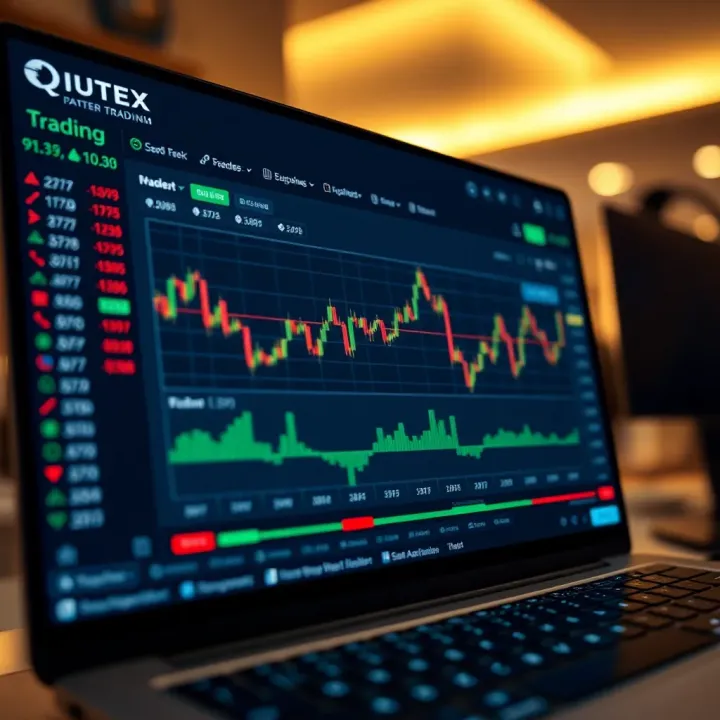
Explore Qutex Trading platform features, fees, and security 🔒 to help Indian traders make informed choices 🇮🇳. Compare brokers and get tips for success.

Learn how demo trading accounts help Indian traders practise without risk ⭐️ Explore their features, benefits & tips to switch confidently to live markets 💹

📱 Find the best mobile for trading in India with fast performance, long battery life, and smooth apps. Tips and top models to enhance your trading game! 📈
Based on 13 reviews