

India in 2050: Economic and Social Outlook
Explore how India will grow economically, tackle environmental challenges, and embrace technology and social change by 2050 🌏💡🇮🇳. A future full of promise.
Edited By
Charlotte Brooks
Gold prices in India often shift quickly, influenced by a complex mix of global and domestic factors. Traders and investors looking to make short-term decisions must keep a close eye on these drivers to time their buying or selling with some confidence.
Recent trends show gold rates moving in response to changes in the US dollar, crude oil prices, and geopolitical tensions. For example, when the dollar weakens against the rupee, imported gold tends to become costlier, pushing prices upwards within the Indian market. Equally, events like central banks adjusting interest rates globally cause ripples that impact gold’s appeal as a safe-haven asset.
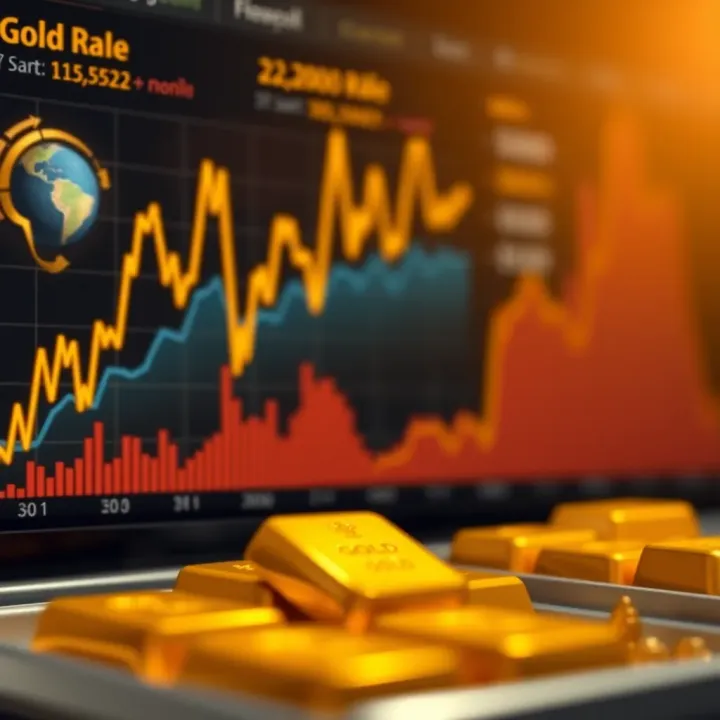
Understanding these price movements over the next ten days is essential for those involved in jewellery purchases, trading, or investment planning.
Currency fluctuations: The rupee-dollar exchange rate remains critical. Even minor shifts can cause notable changes in gold rates.
International market trends: Prices on global exchanges such as COMEX directly affect Indian rates.
Domestic demand and supply: Festivals and wedding seasons traditionally boost demand, often pushing prices higher.
Government policies and taxes: Changes in import duties or GST rates can alter final consumer prices.
Traders should watch for signals from these fronts:
US Federal Reserve announcements: Interest rate changes usually lead to immediate price re-adjustments.
Rupee volatility: Any sudden depreciation against the dollar could increase gold prices.
Seasonal demand rise: Approaching festivals or marriages could spur buying, nudging rates up.
Investors planning to buy should compare international prices and currency trends before locking in purchases.
Those selling must monitor market sentiment and avoid panic selling during short-term dips.
Keep alert for RBI and SEBI notifications that may signal policy shifts affecting gold investments.
In sum, staying updated with both global cues and local market behaviour over this short span can lead to smarter, more profitable decisions.
Understanding current gold price trends in India is essential for anyone involved in trading or investing in the metal. These trends offer insight into market sentiment, short-term price movements, and factors affecting supply and demand within the country. For traders and investors, keeping a close eye on local price action is practical since it reflects immediate influences like the rupee’s exchange rate and domestic demand patterns, especially during traditional buying periods.
Price fluctuations over the past week have shown mixed behaviour, swinging between modest gains and corrections. For example, last week saw gold prices hover around ₹5,200 per gram but dipped slightly midweek due to a stronger rupee and mild profit booking by jewellers. Such volatility is relevant for short-term traders who rely on timely updates to decide entry or exit points. Even a daily change of ₹20-₹30 per gram can impact decision-making significantly.
When we compare with previous months, current rates remain within a narrow range but show an overall upward movement since early January. This uptick mirrors gradual geopolitical tensions and steady inflation concerns globally, which push investors toward safe-haven assets like gold. Knowing how prices evolved over months helps investors judge whether the metal is in an accumulation phase or nearing a pullback, guiding more informed medium-term strategies.
During the festive season, demand typically spikes, especially from cities like Mumbai, Jaipur and Kolkata where gold jewellery purchases rise sharply. This seasonal demand tends to bite into inventory, nudging prices upwards. For instance, ahead of Diwali last year, gold rates climbed by around 1-2% within a fortnight. Traders and advisors should thus factor in seasonal demand when predicting short-term trends or advising clients about timing their purchases.
The role of global price trends cannot be overlooked when analysing India’s gold price movement. International bullion markets, especially rates quoted in US dollars, influence local prices through import costs. For example, if gold on the London Bullion Market rises due to US inflation fears, Indian prices typically respond with a lag, adjusted for currency fluctuations and import duties. This direct link helps investors anticipate domestic price changes by monitoring major global markets.
International market sentiment shapes demand for gold as a safe asset during volatile times. When events such as tensions in the Middle East or uncertain economic data from the US surface, global investors flock to gold, pushing international prices up. This sentiment spills over into India’s market, affecting both investment and jewellery segments. Awareness of such developments allows traders and analysts to better predict short-term spikes or dips driven by factors beyond local control.
Keeping track of both local price trends and international influences provides a clearer picture of where gold prices are headed, making it easier for traders and investors to plan their moves effectively.
Understanding what drives gold prices in the short term helps traders and investors anticipate market moves better. Factors both global and domestic shape these price movements, affecting Indian buyers and sellers uniquely. By paying close attention to these elements, you can navigate the upcoming fluctuations with more confidence.
Crude oil prices influence gold indirectly but significantly. When oil prices rise, inflation tends to rise too because higher transport and manufacturing costs push up consumer prices. As inflation climbs, investors seek gold as a hedge against eroding currency value. For instance, if geopolitical events push crude rates to ₹6,000 per barrel from ₹5,500, Indian gold prices often follow an upward trend shortly after.
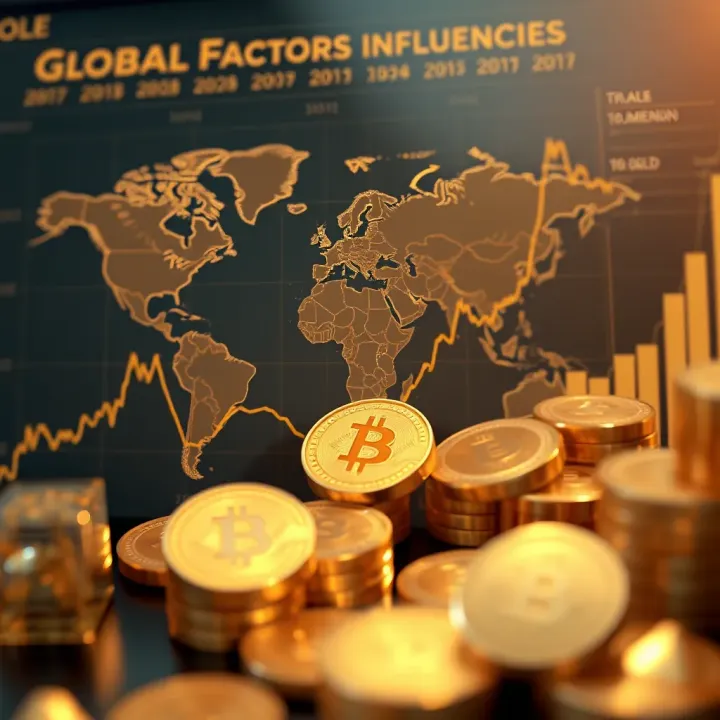
Gold and the US dollar share an inverse relationship. Since gold is priced globally in dollars, a stronger dollar makes gold costlier in other currencies, typically tempering demand. Conversely, if the dollar weakens, Indian importers pay less when converting rupees, potentially driving gold prices down domestically. Traders tracking the USD-INR pair will notice these shifts especially around major announcements from the US Federal Reserve.
Periods of geopolitical uncertainty, such as border skirmishes or unstable international relations, often push gold prices higher. Investors regard gold as a safe asset during such times. Take the recent clashes along the India-China border; gold demand saw a brief uptick as buyers looked for safety amid uncertain times. For short-term investors, monitoring news on geopolitical developments can hint at sudden demand surges.
The rupee’s value against the dollar directly impacts gold rates. A weakening rupee means Indian buyers pay more in local currency, which can push gold prices up. For example, if INR drops from ₹75 to ₹77 against the dollar, gold imports become costlier, reflecting in retail prices. Keeping an eye on RBI interventions or forex market moves helps anticipate such shifts.
RBI’s monetary policies, such as changes in interest rates or forex interventions, influence gold prices. An increase in repo rate may attract investments towards fixed deposits, reducing gold demand temporarily. On the other hand, RBI purchasing dollar reserves to stabilise the rupee can moderate gold price volatility. Traders should stay updated on RBI’s announcements, especially during policy reviews.
Gold jewellery demand surges around festivals like Diwali and wedding seasons, leading to short-term price rises. Investment demand also fluctuates with market sentiment; when stock markets fall, investors may shift to gold. For example, prior to Akshaya Tritiya, demand spikes noticeably, nudging prices upward. Understanding these demand cycles lets investors time their purchases better.
Monitoring these factors closely can give you an edge in India’s dynamic gold market, helping you make more informed and timely decisions.
Currency movements, especially involving the Indian Rupee (INR), significantly influence gold prices in India. Since gold is priced internationally in US dollars, any change in the rupee-dollar exchange rate directly affects the domestic gold price. For investors, traders, and analysts, tracking currency fluctuations is essential to anticipate price trends and strategise buying or selling decisions accurately.
When the rupee weakens against the US dollar, importing gold becomes costlier for India. This rise in import costs generally pushes domestic gold prices upward to cover the higher expenditure. For example, if the INR depreciates from ₹74 to ₹76 per dollar, the same quantity of gold in dollar terms costs more in rupees. Traders should watch this closely, particularly during times of rupee volatility, as sudden depreciation often signals short-term gold price jumps.
The inverse is also true—if the rupee strengthens, gold prices may soften since import costs drop. This relationship allows investors to hedge against currency risk when timing purchases, especially during festival or wedding seasons when demand spikes.
Over recent weeks, the USD-INR rate has shown upward pressure due to global inflation concerns and tighter US monetary policy. The rupee hovered around ₹82–₹83 per dollar, eroding some domestic purchasing power for gold. This trend typically nudges gold rates upward in India.
Indian importers and jewellery retailers closely monitor such trends, as even slight movements affect margins and pricing strategies. For those involved in short-term gold trading, understanding these exchange rate swings helps anticipate immediate price direction and adjust portfolios accordingly.
The Reserve Bank of India’s (RBI) policy decisions often influence currency dynamics. Interest rate hikes or liquidity changes can strengthen or weaken the rupee, indirectly impacting gold prices. Traders should pay close attention to RBI’s monetary policy statements and meeting minutes, as unexpected cues can prompt swift currency shifts.
For instance, if RBI signals tighter liquidity to control inflation, the rupee may rally, putting downward pressure on gold prices locally. Monitoring RBI updates enables timely response to such trends, benefiting short-term investors who rely on currency movements as a key indicator.
Forex analysts use a mix of economic data, geopolitical events, and technical indicators to predict currency movements. Accessing reliable forecasts can guide informed decisions about gold investments. However, it's crucial to compare multiple sources to identify consensus or divergent views.
Practical use of forex predictions includes adjusting entry or exit points based on expected rupee strength or weakness. For example, if forecasts predict rupee depreciation in the coming week, investors might accelerate gold purchases to avoid higher prices later. Combining currency forecasts with gold market analysis optimises trading strategies.
Keeping a close eye on INR-USD exchange rates alongside RBI policies and forex predictions equips investors to better navigate gold price changes over short periods.
By integrating currency movement analysis into gold rate monitoring, traders and advisors in India can gain an edge to maximise returns and minimise risks in the fluctuating precious metals market.
Understanding gold rate trends over the next ten days helps traders and investors plan their moves wisely. Short-term predictions can guide decisions on when to buy or sell, especially in a market as sensitive as gold. Given the recent volatility, keeping an eye on upcoming factors ensures you are not caught off guard and can capitalise on fluctuations.
Analysts specialising in bullion often provide forecasts based on current market conditions, geopolitical events, and economic data. Their views reflect a mix of fundamental and technical insights. For example, a well-known analyst recently advised caution in buying gold aggressively due to expected rupee appreciation, which could lower gold prices temporarily. Such opinions offer a practical edge to investors trying to time the market.
Technical analysis looks at price charts to identify trends and support or resistance levels. Analysts may highlight certain price points—say, ₹52,000 per 10 grams—as a crucial resistance level for gold in the coming days. If gold breaks this level, it might surge further; if it bounces back, prices might dip. These forecasts help traders set realistic price targets and stop-loss points, managing risk effectively.
Key economic reports, such as inflation rates, industrial production figures, or RBI policy announcements, can sway gold prices quickly. For instance, a higher-than-expected Consumer Price Index (CPI) figure often lifts gold as investors seek safe havens. Monitoring the calendar for these releases can prepare investors to act on gold price moves triggered by fresh data.
Tensions between nations or unexpected events like trade disputes impact investor sentiment. Gold often benefits during uncertainty because it's a safe asset. Consider the recent tensions in the Middle East that pushed gold prices up. Even news on trade negotiations between global powers can cause momentary price shifts, making it crucial to watch geopolitical headlines closely.
In India, gold demand spikes during festivals like Diwali and the wedding season, typically driving prices higher. This seasonal demand often starts impacting gold rates a week or two before. For instance, ahead of the upcoming festive season, local jewellers might raise prices anticipating increased buying. Investors and consumers can use this knowledge to plan purchases before demand peaks raise the prices.
Keeping track of expert views and upcoming events can help you navigate the gold market confidently in the short term, avoiding surprises and making timely decisions.
For those dealing with gold over the next ten days, having a clear plan backed by practical advice is essential. Gold prices often move quickly based on global events, currency shifts, and domestic demand, so timing your buy or sell can significantly impact returns or savings. This section guides you on how to react wisely in short-term market swings.
Assessing market volatility is key before making any move. Volatility means how sharply and frequently prices go up or down. For instance, if you notice sudden price drops triggered by unexpected global news, you might see it as a buying opportunity if you believe the price will regain shortly. Conversely, rapid price jumps might indicate a good chance to sell, securing profits before any correction. Understanding these swings helps avoid buying at peaks or selling at troughs.
Practical tools like watching the daily price range or following market sentiment reports can provide clues. For example, during festival seasons or wedding months, prices may surge due to higher demand, but sometimes those spikes reverse fast once the season passes. Keeping an eye on such short-term trends prevents reactive decisions based on price noise.
Using price alerts and tracking tools can simplify monitoring this volatility. Several fintech apps and trading platforms send instant notifications when gold hits a price you set, so you avoid constantly checking the markets. These alerts are especially useful in a volatile phase when prices can change within hours or minutes.
Additionally, tracking tools provide historical data and predictive charts which help anticipate price movement. For instance, if a platform shows consistent support levels around ₹4,700 per gram, you might wait to buy near that point instead of jumping in during a spike. This kind of measured action can prevent unnecessary losses.
Gold ETFs (Exchange-Traded Funds) and digital gold options offer flexibility compared to physical gold. ETFs represent ownership of gold stored in secure vaults, traded on stock exchanges like the NSE or BSE. One advantage is you can buy or sell small amounts instantly at market price without worrying about purity or storage.
Digital gold, offered by fintech companies, allows you to purchase gold in small quantities through apps and redeem or convert it easily. This suits those looking to avoid the hassle of physical storage and security risks yet wanting direct exposure to gold prices.
Considering liquidity and ease of transaction matters a lot for short-term investors. Physical gold requires verification, making quick sales challenging and often involving making charges or commission fees. On the other hand, gold ETFs and digital gold can be bought or sold on trading days with almost immediate settlement, enhancing liquidity.
For example, if you need to access funds quickly, selling gold units via an ETF platform is faster and more cost-effective than pawning or selling jewellery. Understanding these options helps choose the right investment based on your need for quick entry and exit.
Short-term gold investors must balance price timing, liquidity, and transaction ease to make smart moves in a fluctuating market. Using digital tools and alternative gold forms reduces friction and opens up opportunities beyond traditional physical gold.
Explore how India will grow economically, tackle environmental challenges, and embrace technology and social change by 2050 🌏💡🇮🇳. A future full of promise.
Explore key factors shaping natural gas price predictions today, including government policies, market trends, and their impact on Indian consumers and industries. 🔍📈
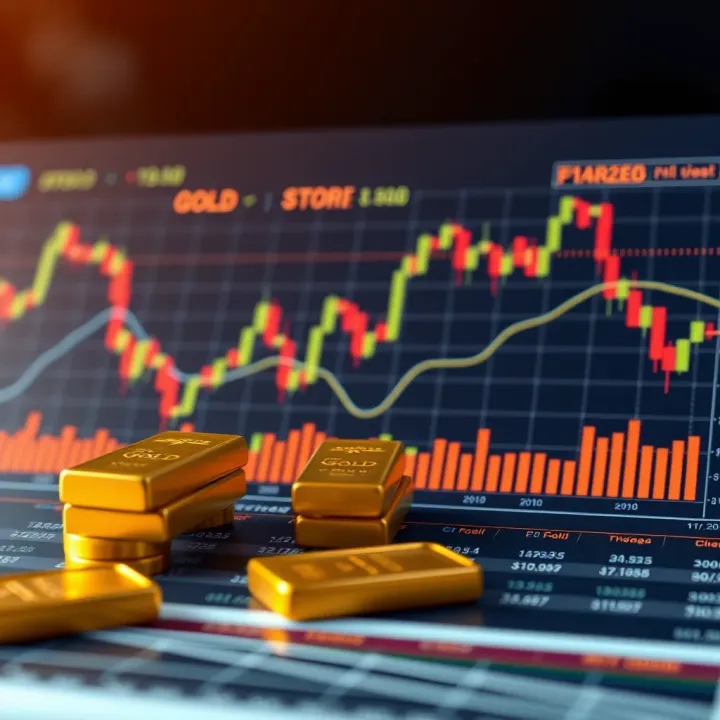
📈 Explore today's gold price prediction with insights on market trends, global and domestic influences, and expert analysis for smart investments in India 🇮🇳
Get insights into the EUR-INR exchange rate forecast 📊, exploring economic trends, geopolitical events, and key factors that shape currency movements for Indian investors and businesses.
Based on 5 reviews